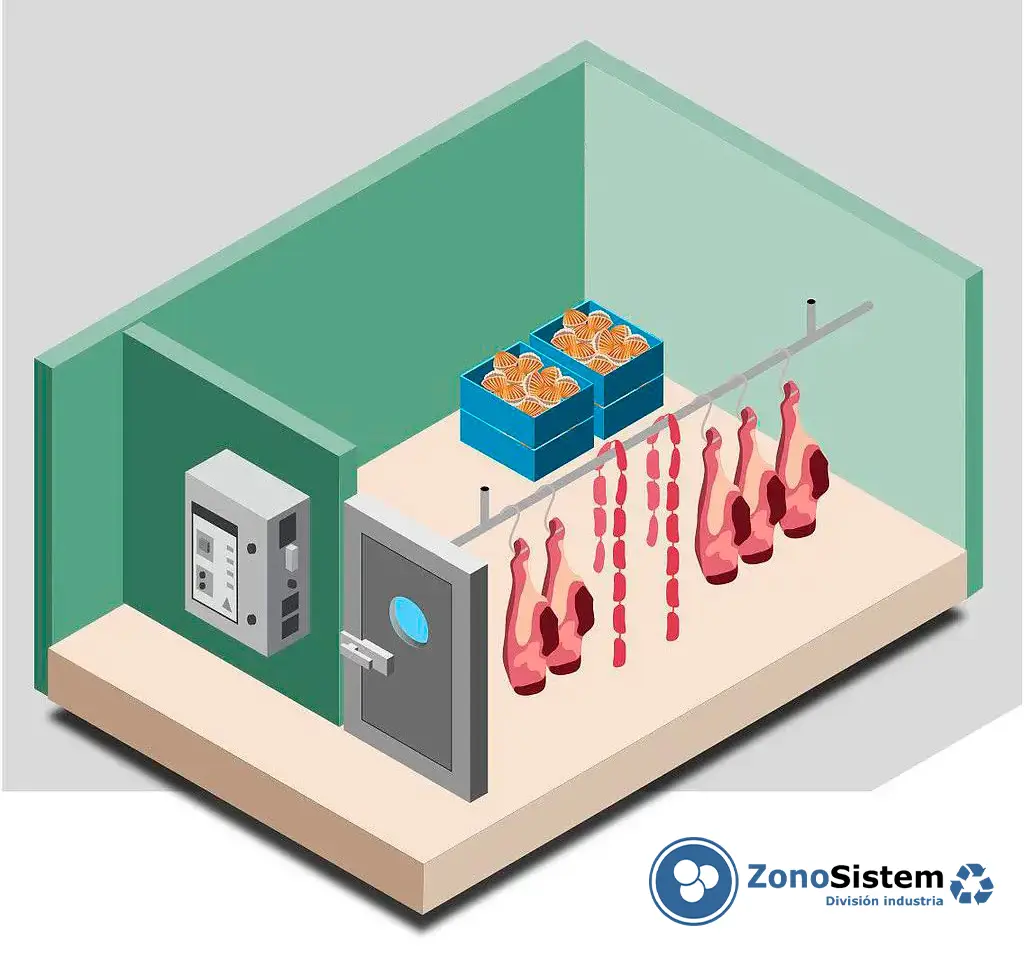
Use of ozone in cold stores
Ozone is used in cold stores to disinfect the air and surfaces and eliminate unpleasant odours. Ozone is a gas that very quickly and effectively eliminates viruses, bacteria, fungi and mould from the air and surfaces of cold stores, refrigeration units or storage facilities for perishable goods, as well as unpleasant odours. The ozone generator produces ozone on site and releases it into the cold store immediately. The ozone system operates automatically and is easy to install.
These advantages make ozone a powerful tool for sanitising cold stores automatically and easily, without the need for manual labour. In the case of fruit and vegetable storage, ozone also breaks down ethylene, preventing fruit and vegetables from ripening too quickly.
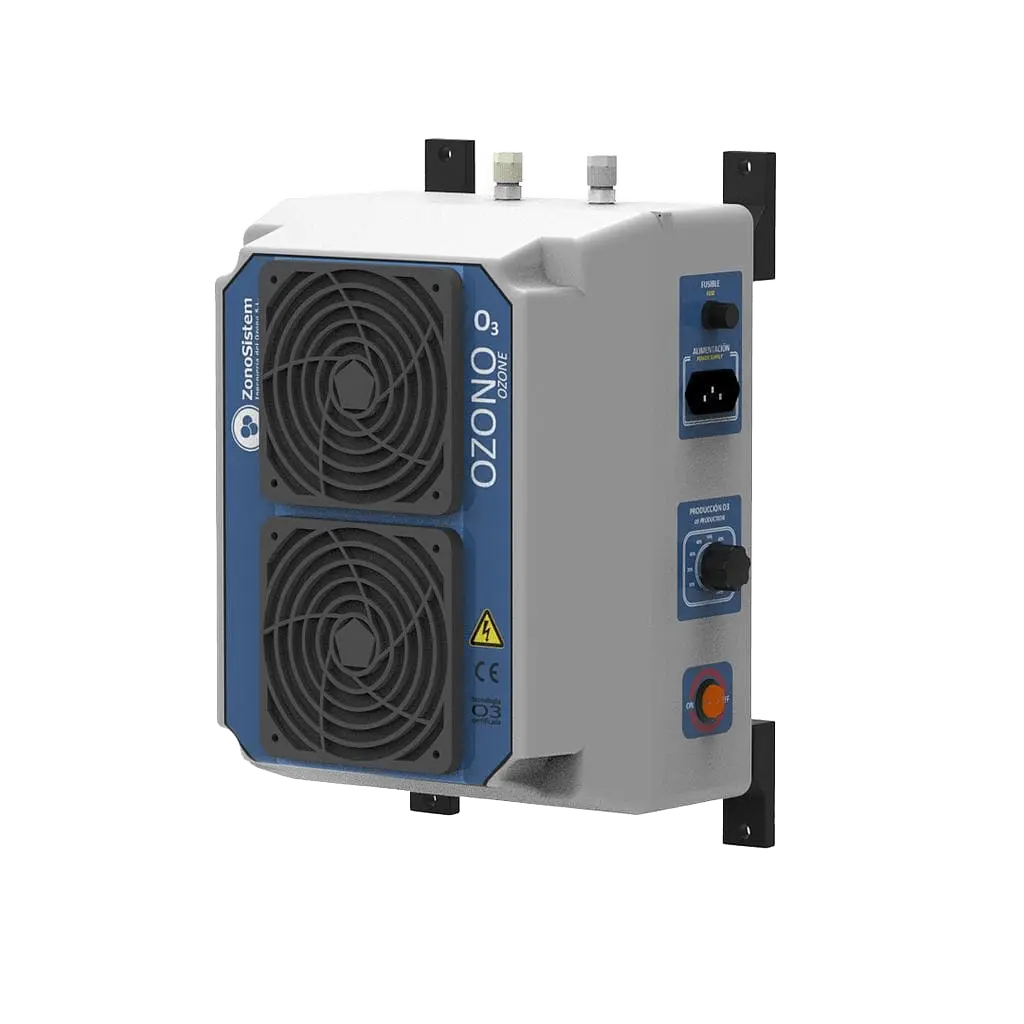
Ozone generators for cold stores
ozone to improve the preservation of vegetables, fruit, meat and fish in cold stores
Ozone is generated on-site; there is no need to store or transport chemicals
Ozone extends the shelf life of fruit and vegetables
Ozone leaves no residue and does not alter the recipe.
The system is automated; it does not require any manual labour to operate it
Having problems with the sanitisation of cold stores?
The deployment of ozone systems in cold stores is a highly effective solution for controlling pathogens and eliminating unwanted odours. As a gas with extremely high oxidising power, ozone is distributed throughout the entire volume of the cold store, reaching every corner and effectively eliminating fungi, bacteria, mould and spores that thrive in damp, cold environments. This process ensures continuous and thorough environmental disinfection, as well as neutralising odour molecules rather than masking them, thereby preventing cross-contamination of odours between different stored products.
In the fruit and vegetable sector, the use of ozone is a key factor in profitability as it acts directly on ethylene. This plant hormone, which is responsible for accelerated ripening, is oxidised by ozone, thereby extending the shelf life of fresh produce and reducing losses due to premature spoilage. Furthermore, as this technology generates ozone on-site from ambient air, it eliminates the need for traditional chemicals, simplifying operations and enabling precise and continuous monitoring of hygiene levels.
Adopting this technology represents a significant step towards sustainability and operational efficiency, significantly reducing the consumption of resources in manual cleaning tasks, as well as the use of water and liquid disinfectants. Ozone is a zero-waste technology, as once it has fulfilled its purpose it breaks down into oxygen, leaving no chemical traces on food. In this way, Zonosistem offers a cleaner, safer and more environmentally friendly process, optimising maintenance costs and guaranteeing the highest standards of food safety.
The deployment of ozone systems in cold stores is a highly effective solution for controlling pathogens and eliminating unwanted odours. As a gas with extremely high oxidising power, ozone is distributed throughout the entire volume of the cold store, reaching every corner and effectively eliminating fungi, bacteria, mould and spores that thrive in damp, cold environments. This process ensures continuous and thorough environmental disinfection, as well as neutralising odour molecules rather than masking them, thereby preventing cross-contamination of odours between different stored products.
In the fruit and vegetable sector, the use of ozone is a key factor in profitability as it acts directly on ethylene. This plant hormone, which is responsible for accelerated ripening, is oxidised by ozone, thereby extending the shelf life of fresh produce and reducing losses due to premature spoilage. Furthermore, as this technology generates ozone on-site from ambient air, it eliminates the need for traditional chemicals, simplifying operations and enabling precise and continuous monitoring of hygiene levels.
Adopting this technology represents a significant step towards sustainability and operational efficiency, significantly reducing the consumption of resources in manual cleaning tasks, as well as the use of water and liquid disinfectants. Ozone is a zero-waste technology, as once it has fulfilled its purpose it breaks down into oxygen, leaving no chemical traces on food. In this way, Zonosistem offers a cleaner, safer and more environmentally friendly process, optimising maintenance costs and guaranteeing the highest standards of food safety.
Advantages of using ozone in cold stores
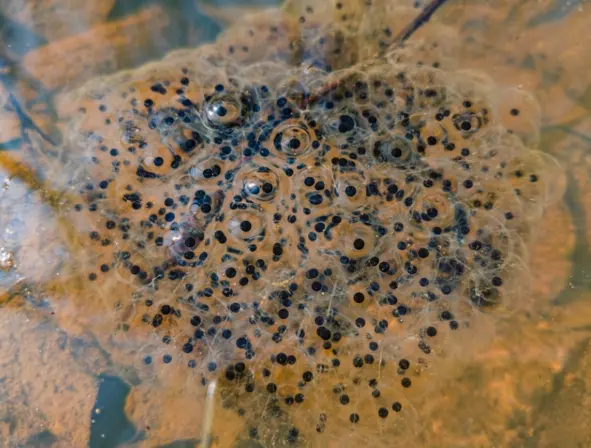
Kills fungi, bacteria, mould and spores
Ozone treatment in a cold store is a disinfection process that uses ozone to eliminate bacteria, viruses and other pathogens present in the air and on surfaces within a cold store. Ozone is a highly reactive form of oxygen that acts as a powerful oxidising agent and disinfectant, and is capable of destroying harmful microorganisms.
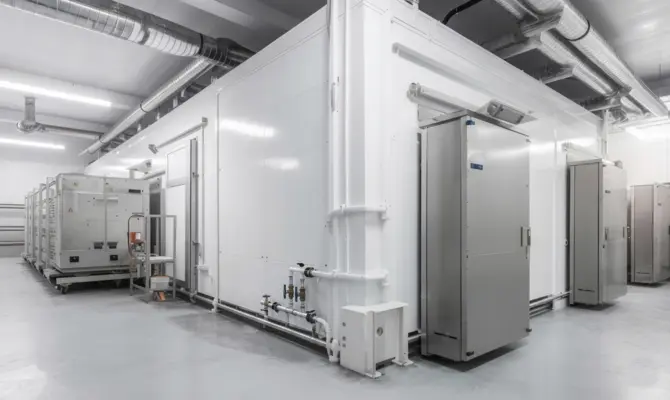
Environmental disinfection and ethylene control
Ozone treatment has several advantages over other disinfection methods, such as the use of chemicals. Ozone leaves no chemical residues, requires no inactivation period and has no harmful effects on food. Furthermore, ozone is a powerful oxidising agent capable of breaking down ethylene, thereby slowing down the ripening of fruit and vegetables.
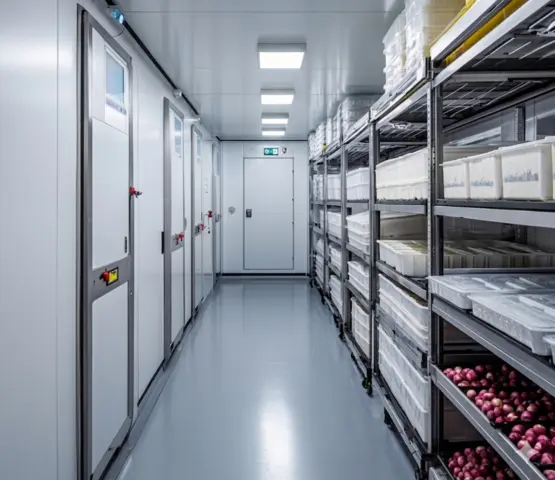
Problems with odours in the cold store
During the ozone treatment process in a cold store, a controlled amount of ozone is introduced into the chamber via an ozone generator. The ozone is distributed evenly throughout the cold store, including the corners and hard-to-reach areas, completely eliminating odours.
No manual labour, fully automatic
The system automatically generates and injects ozone into the tank, requiring no manual labour. It simply needs to be connected to the tank and a power socket.
No storage of chemicals
Ozone is generated on-site and applied immediately, so it does not require the storage or handling of chemicals, eliminates the need for transport and reduces the carbon footprint.
Biocide recognised by ECHA
Ozone is included on the European Chemicals Agency’s (ECHA) list of biocides, and ZonoSistem has all the necessary documentation to ensure its correct authorisation and application
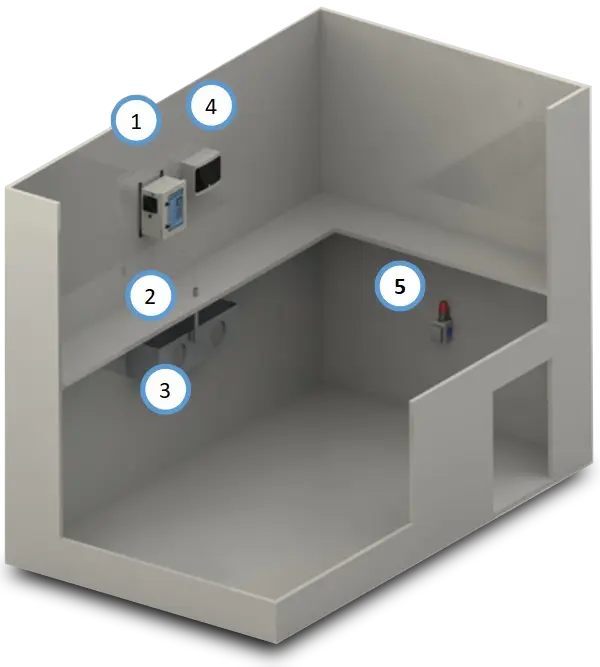
Installation of an ozone system in a single chamber
Installation diagram
We provide an installation manual, as well as electrical and pneumatic connection diagrams.
1. Ozone Generator
Designed to generate ozone from ambient air
2. Injector
Fittings for injecting ozone into the chamber, usually upstream of the evaporator.
3. Condensate trap
To collect condensation and prevent it from falling onto the floor or onto food.
4. CTRL45 controller
With a daily timer and a manually adjustable CAP.
5. Ozone sensor
Optional – to automatically adjust the equipment according to the ozone levels in the chamber.
6. Refrigerated dryer
Optional. For installing the ozone generator in environments where the humidity exceeds 70 per cent.
Installation of a multi-chamber ozone system
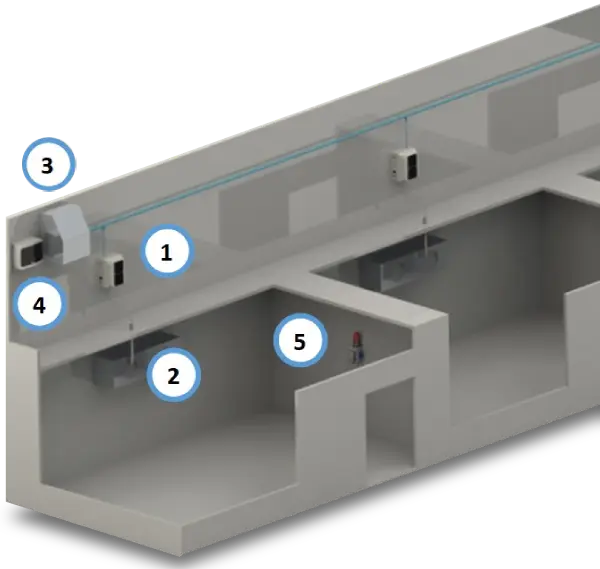
Installation diagram
We provide an installation manual, as well as electrical and pneumatic connection diagrams
1. Ozone Generator
Responsible for generating ozone from ambient air.
2. Injector
Fittings for injecting ozone into the chamber, usually upstream of the evaporator.
3. Air Unit
It prepares the air and channels it to the ozone generators.
4. CRTL55 controller or PLC with touchscreen
With a daily timer and a manually adjustable CAP.
5. Ozone Sensor
Optional – to automatically adjust the equipment according to the ozone levels in the chamber.
Refrigerated dryer
To dry the compressed air line.
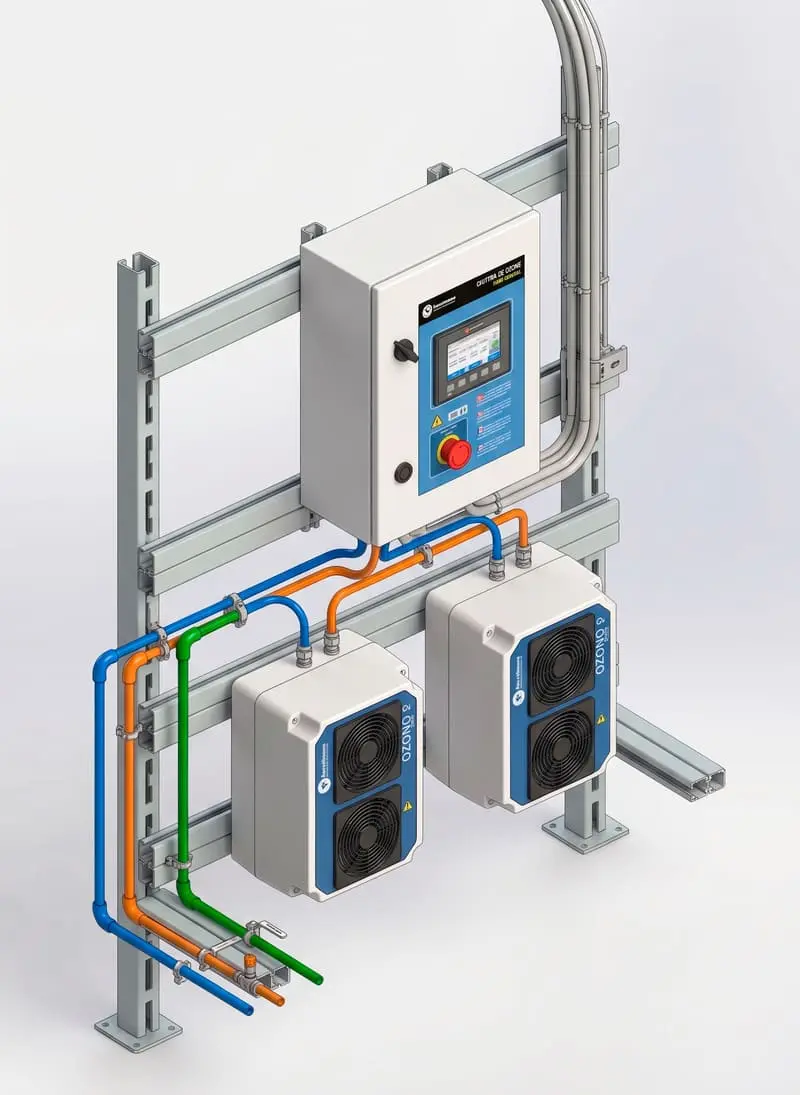
Bespoke ozone projects for cold stores
We design, manufacture, install and maintain professional ozone systems for sanitising cold stores. We add value to your facility.
Contact us
Bespoke ozone projects for cold stores
We design, manufacture, install and maintain professional ozone systems for sanitising cold stores. We add value to your facility.
Contact us
ZonoSistem case studies: ozone for cold stores
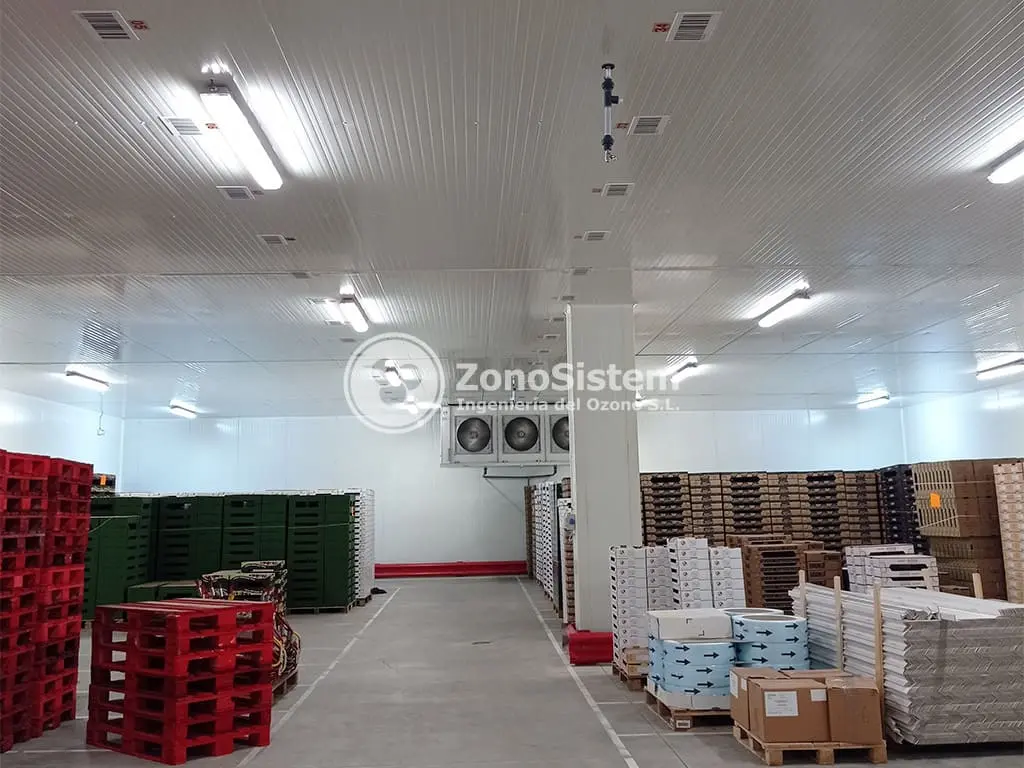
Ozone in a multi-chamber cold store for stone fruit, France
This project includes a multi-chamber ozone system, that is to say, several ozone systems fed by a single air supply unit. Ozone maintains microbiological control in all the chambers and prevents ethylene from dominating the atmosphere within them, thereby accelerating the ripening process. A sustained ozone concentration of 150 ppb is sufficient to ensure the success of this project. The ZonosSistem GM range has been used for this purpose.

Ozone in a cold store for cut flowers, Spain
Cut flowers stored in cold storage are highly likely to be contaminated by fungi such as botrytis. Botrytis (Botrytis cinerea), commonly known as grey mould, is one of the most destructive diseases affecting cut flowers, causing rot and brown patches that ruin the appearance and marketability of floral arrangements. It thrives in conditions of high humidity, cool temperatures and poor ventilation. This fungus causes the flower to lose its quality and become unsuitable for sale. Ozone, used in controlled doses appropriate to the type of flower, prevents contamination by the fungus and improves product quality, extending shelf life and preventing cross-contamination.
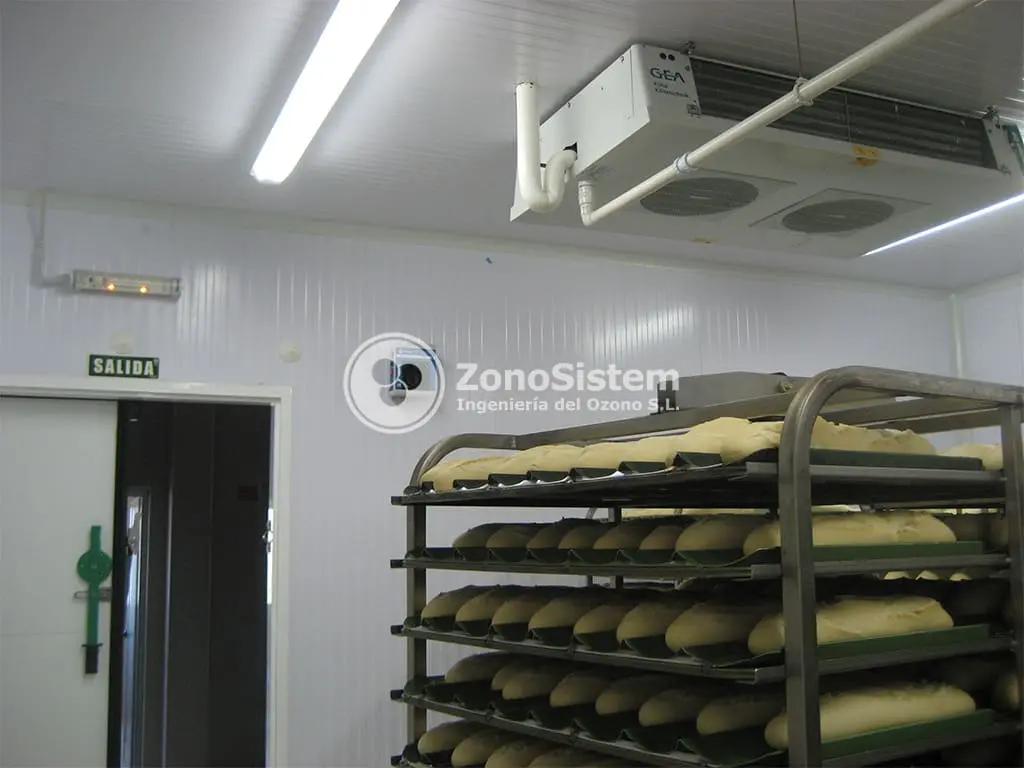
Ozone in a cold store and fermentation room, at the Pandera factory in Cádiz, Spain.
Ozone prevents contamination in bakery proving rooms, where yeast should not have to compete with any other microorganisms. Ozone applied in controlled and monitored doses ensures a hygienic environment and improves the proving process. Furthermore, in the proofing and cooling chambers, bread is susceptible to contamination; it is therefore vital to ensure hygiene at this stage through the use of ozone generators.
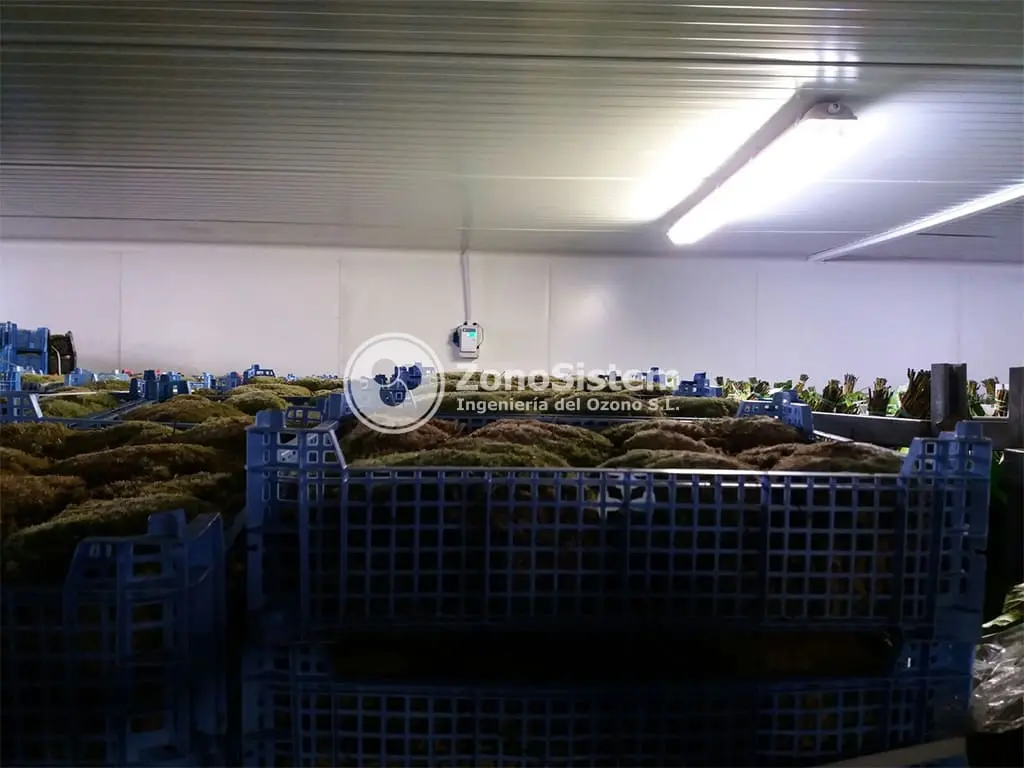
Ozone in a cold store for moss. Spain
The decorative moss industry has found a powerful ally in ensuring quality and safety. The use of ozone in the cold store keeps microbiological contamination and resistant spores from the environment in which the moss is stored at bay. The product can retain its quality and appearance for much longer. Ozone prevents fermentation caused by stacking and halts the well-known process of ‘negative dormancy’ – that is, the lack of light and oxidation, which inhibit chlorophyll growth and cause the colour to turn brownish-grey. Ozone prevents this process, keeping the moss fresh and green for longer.
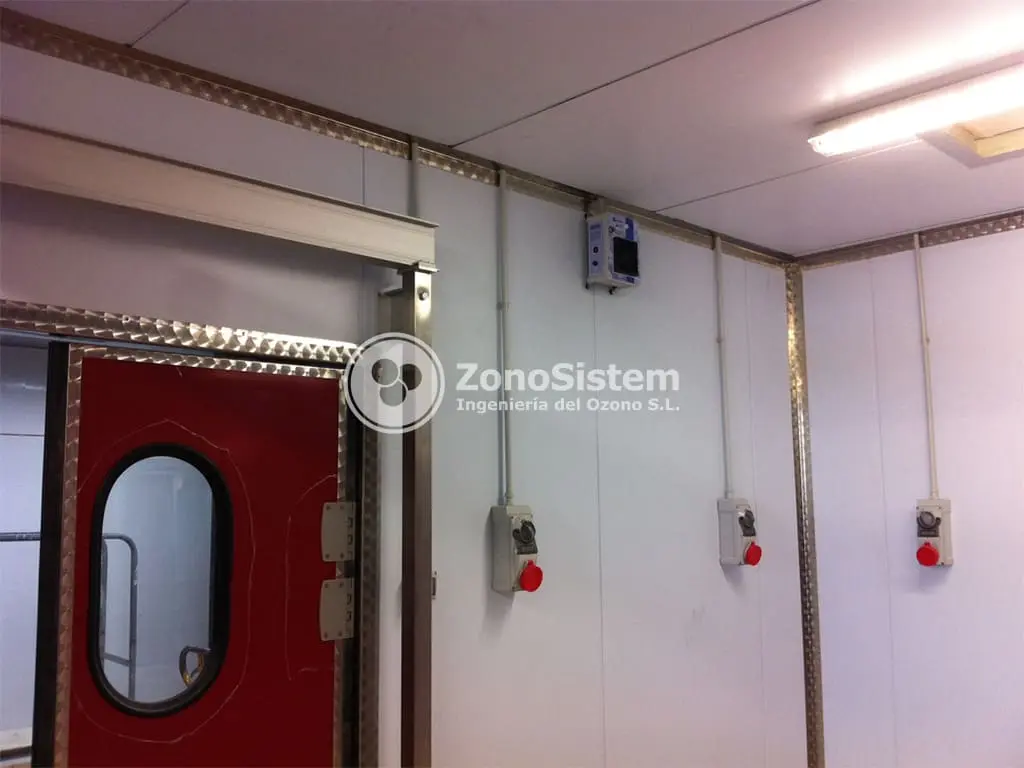
Ozone in cold stores and cutting rooms in the meat industry, Spain.
In this project, ozone ensures environmental and surface hygiene in the rooms of a chicken slaughterhouse. A system of GM-series generators injects ozone into each of the rooms, maintaining a stable dose during the night, following traditional cleaning procedures. This ozonisation protocol ensures that every morning the workrooms and cold stores are at the highest standard of hygiene and free from any cross-contamination carried over from the previous day.

Ozone for the environmental disinfection of dairy processing rooms, Spain
Another case study is this project involving the ozonisation of rooms used for dairy products. Microbiological contamination, consisting of aerobic bacteria and moulds, makes it necessary to continuously disinfect the environment in the cold stores and ante-chambers. Very low but consistently applied doses ensure the process is effective. An automated ozone control and monitoring system ensures the process is both effective and safe.
Ozone in a multi-chamber cold store for stone fruit, France
This project includes a multi-chamber ozonation system, that is to say, several ozone systems fed by a single air supply unit. Ozone maintains microbiological control in all the chambers and prevents ethylene from dominating the atmosphere within them, thereby accelerating the ripening process. A sustained ozone concentration of 150 ppb is sufficient to ensure the success of this project. The ZonosSistem GM range has been used for this purpose.
Ozone in a cold store for cut flowers, Spain
Cut flowers stored in cold storage are highly likely to be contaminated by fungi such as botrytis. Botrytis (Botrytis cinerea), commonly known as grey mould, is one of the most destructive diseases affecting cut flowers, causing rot and brown patches that ruin the appearance and marketability of floral arrangements. It thrives in conditions of high humidity, cool temperatures and poor ventilation. This fungus causes the flowers to lose their quality and appear unsuitable for sale. Ozone, when applied in controlled doses appropriate to the type of flower, prevents contamination by the fungus, improves product quality, extends shelf life and prevents cross-contamination.
Ozone in cold stores and fermentation rooms, the bread-making industry, Spain
Ozone prevents contamination in bakery proving rooms, where the yeast should not have to compete with any other microorganisms. Ozone applied in controlled and monitored doses ensures a hygienic environment and improves the proving process. Furthermore, in the proofing and cooling chambers, the bread is susceptible to contamination; it is therefore vitally important to ensure hygiene at this stage through the use of ozone generators.
Ozone in a cold store for moss. Spain.
The decorative moss industry has found a powerful ally in ensuring quality and safety. The use of ozone in the cold store keeps microbiological contamination and resistant spores from the environment in which the moss is stored at bay. The product can retain its quality and appearance for much longer. Ozone prevents fermentation caused by stacking and halts the well-known process of ‘negative dormancy’ – that is, the lack of light and oxidation slow down chlorophyll growth and cause the colour to turn brownish-grey. Ozone prevents this process, keeping the moss fresh and green for longer.
Ozone in cold stores and cutting rooms in the meat industry, Spain
In this project, ozone ensures environmental and surface hygiene in the rooms of a chicken slaughterhouse. A system of GM-range generators injects ozone into each of the rooms, maintaining a stable dose during night-time hours, following traditional cleaning processes. This ozonisation protocol ensures that every morning, the workrooms and cold stores are at their cleanest, free from any cross-contamination from the previous day.
Ozone for environmental disinfection in dairy processing rooms, Spain
Another case study is this project involving the ozonisation of rooms used for dairy products. Microbiological contamination, consisting of aerobic bacteria and moulds, makes it necessary to continuously disinfect the environment in cold stores and ante-chambers. Very low but consistently applied doses ensure the process is effective. An automated ozone control and monitoring system ensures the process is both effective and safe.
Frequently asked questions about the use of ozone in cold stores
Ozone acts directly on ethylene, the gaseous hormone responsible for the ripening of vegetables. By neutralising ethylene in the storage chamber environment, ozone slows down the ripening and ageing process of the produce. Furthermore, by eliminating surface mould and bacteria, it prevents a damaged item from contaminating the rest of the batch, drastically reducing wastage due to rot.
No, that is one of its greatest advantages. Ozone is an unstable molecule which, after reacting with microorganisms and odours, breaks down and turns back into oxygen. This makes it a ‘zero-waste’ solution, ideal for the food industry, as it leaves no chemical traces and does not alter the original flavour, colour or aroma of the products (which is particularly important for delicate products such as moss, flowers or bread).
Yes, Zonosistem systems enable precise control via sensors and automatic controllers. These devices measure ozone levels inside the chamber in real time to ensure they remain within the optimum disinfection ranges without exceeding safety limits. This guarantees consistent, automated hygiene, eliminating the need for manual application of liquid disinfectants.