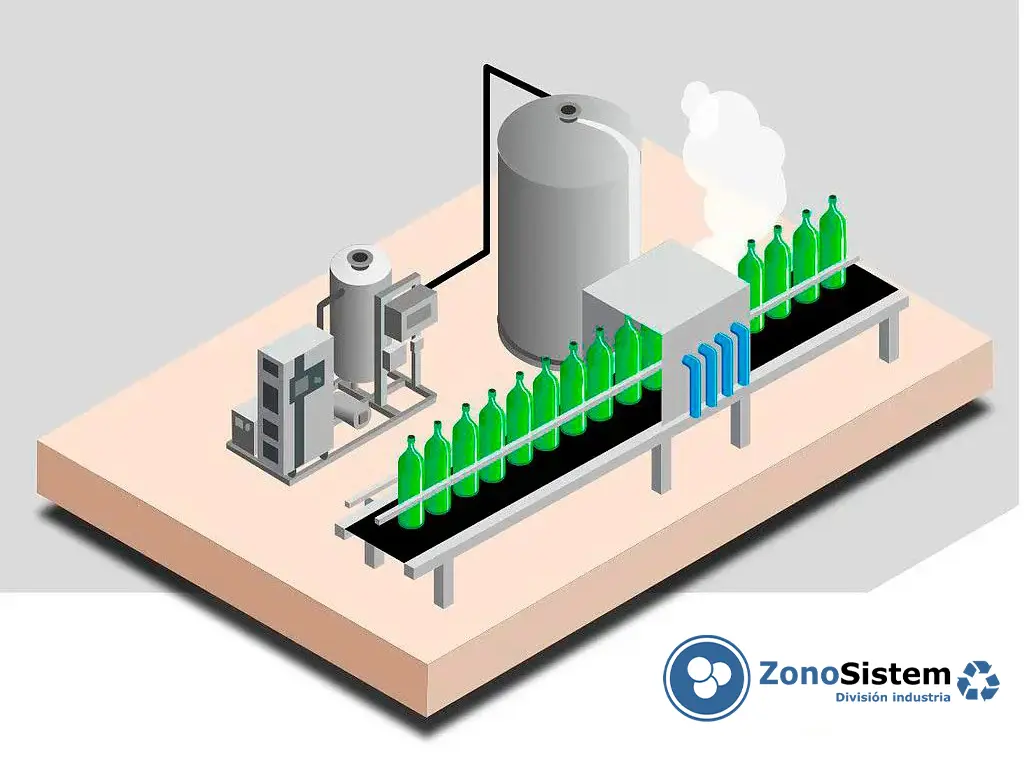
The Use of Ozone in CIP Systems
Ozone has become a powerful tool for sanitising and optimising CIP (Clean-in-place) systems across all types of food and bottling industries. Ozone is a powerful disinfectant that eliminates all types of pathogens and biofilm from pipework. However, its real advantage lies in the savings it delivers: it reduces the consumption of chemicals and hot water, shortens processing times, reduces the number of rinses required, and lowers both the quantity and level of contamination in effluent.
It leaves no residues that could affect your recipes or products, which provides customers with extra peace of mind. Furthermore, the ozone is generated on-site, so there is no need to transport, store or handle it. The system operates fully automatically and requires no manual labour. With ozone, you are guaranteed disinfection, with real-time measurements, whilst achieving considerable savings compared with traditional systems.
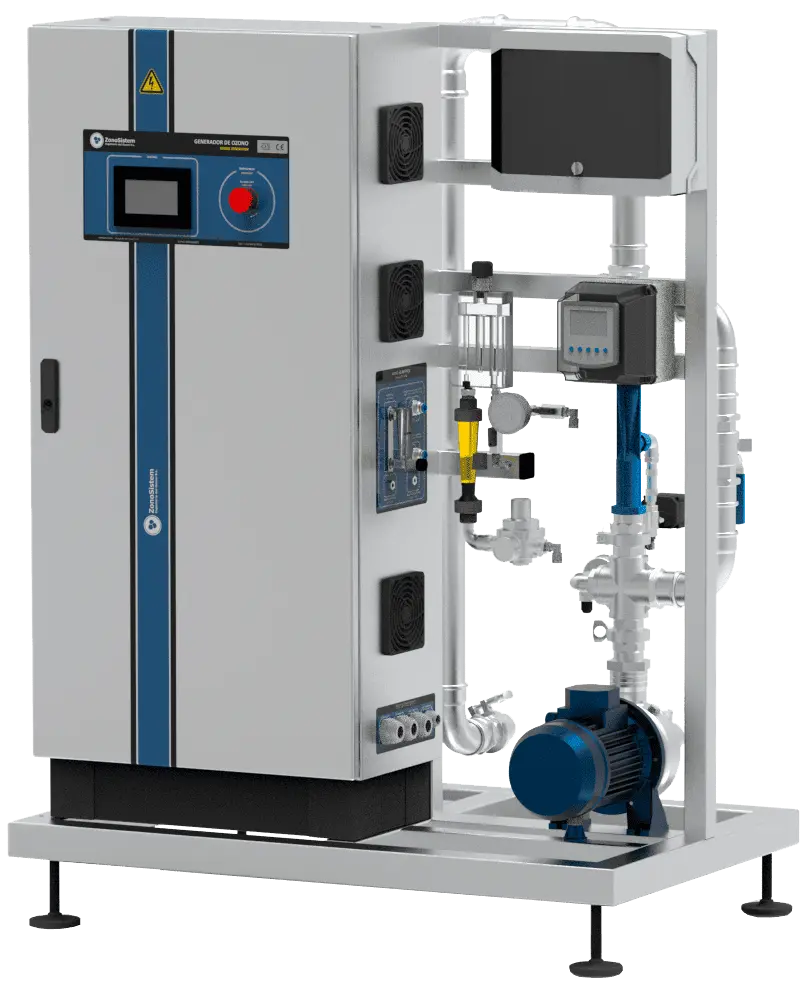
Ozone generators for washing and disinfecting CIP systems
Disinfect your production lines with ozonated water and reduce the use of chemicals, hot water, rinsing and waste water discharge
Ozone reduces the consumption of detergents, cold and hot water, and energy
Ozone reduces the consumption of detergents, cold and hot water, and energy
Ozone leaves no residue, does not alter the recipe and reduces waste
The system is automated; it does not require manual labour to operate it
Why use ozone to clean and disinfect the CIP system?
Optimising the CIP system in bottling lines through the use of ozone significantly reduces the consumption of chemicals in industrial cleaning and disinfection processes. The application of ozone in CIP improves the hygienic efficiency of the process, making it possible to reduce the number of rinses required, optimise each cleaning cycle and improve the overall performance of the bottling plant.
The use of ozone in CIP cleaning contributes to a significant reduction in hot water consumption, generating direct energy savings and promoting more efficient and sustainable operation. In addition, by replacing or reducing the use of traditional chemicals, the ozone CIP system minimises the environmental impact of the process, reduces the pollutant load and improves the quality of the wastewater generated by the plant.
The incorporation of ozone into the CIP system also allows for shorter cleaning and disinfection times, increasing the availability of the bottling line and reducing production downtime. This optimisation translates into lower operating costs, greater production process efficiency and significant time and money savings on the bottling line.
Overall, an ozone-optimised CIP system not only ensures effective cleaning and greater food safety, but also promotes environmental sustainability, water and energy savings, and compliance with the most stringent standards in the food and drink industry.
Optimising the CIP system in bottling lines through the use of ozone significantly reduces the consumption of chemicals in industrial cleaning and disinfection processes. The application of ozone in CIP improves the hygienic efficiency of the process, making it possible to reduce the number of rinses required, optimise each cleaning cycle and improve the overall performance of the bottling plant.
The use of ozone in CIP cleaning contributes to a significant reduction in hot water consumption, generating direct energy savings and promoting more efficient and sustainable operation. In addition, by replacing or reducing the use of traditional chemicals, the ozone CIP system minimises the environmental impact of the process, reduces the pollutant load and improves the quality of the wastewater generated by the plant.
The incorporation of ozone into the CIP system also allows for shorter cleaning and disinfection times, increasing the availability of the bottling line and reducing production downtime. This optimisation translates into lower operating costs, greater production process efficiency and significant time and money savings on the bottling line.
Overall, an ozone-optimised CIP system not only ensures effective cleaning and greater food safety, but also promotes environmental sustainability, water and energy savings, and compliance with the most stringent standards in the food and drink industry.
What are the benefits of using ozone in a Clean-in-Place system?
Ozone: more efficient, sustainable and cost-effective CIP cleaning
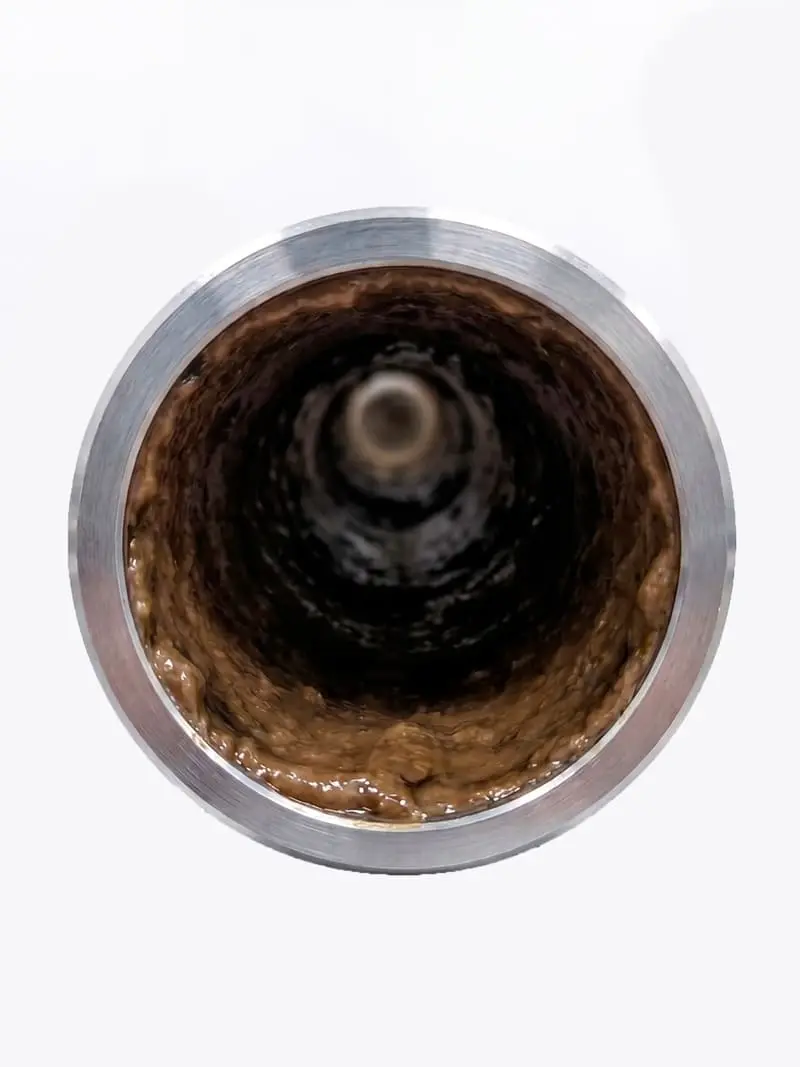
Disinfects and removes biofilm
Ozone is a powerful oxidising agent, and when dissolved in water it rapidly eliminates all types of pathogens, with a level of effectiveness far superior to that of conventional systems. Furthermore, as it passes through, it removes biofilm from pipes, tanks and drainage systems.
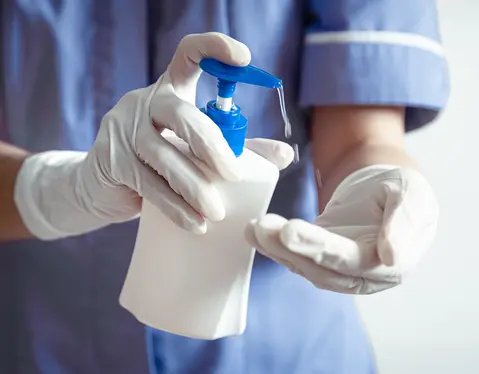
No waste, no changes to your recipe
Ozone has very high disinfecting power, but it has a low residual effect; in other words, it does not last over time. It breaks down into oxygen after a few minutes, ensuring that your recipe remains unchanged. It does not require line flushing.
Save water, energy and chemicals
Ozonated water, at the correct concentration, eliminates the need for chemicals and hot water, thanks to ozone’s high efficacy in cleaning and disinfecting pipes without leaving any residue. It will help to reduce energy, water and chemical consumption.
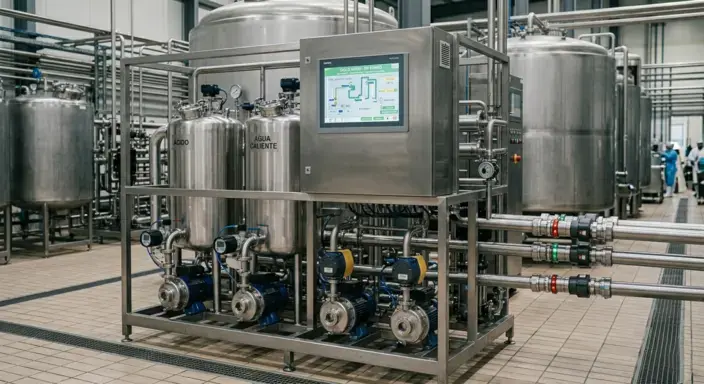
More profitable and less risky
If you save on chemicals, water, time and energy every day, you’ll be reducing your operating costs and becoming more profitable. What’s more, you’ll be reducing the risk of your products becoming contaminated by chemicals.
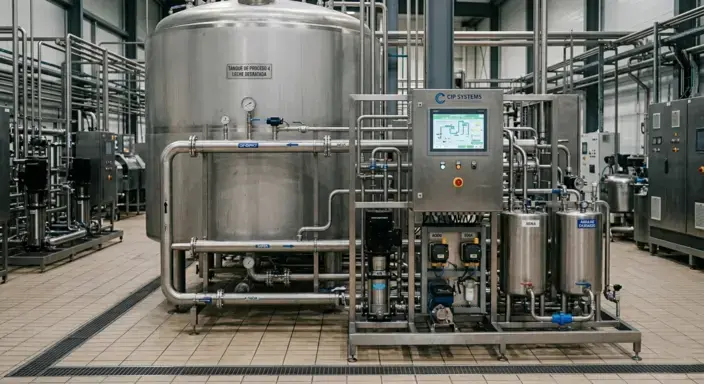
Reduces cleaning times
If you use ozone in your CIP process, you will be able to reduce washing times and the number of rinses thanks to the oxidising effect of ozone, enabling you to switch from one product to another more quickly, with a greater guarantee of disinfection and without leaving any traces. Time is money in an industrial process.
Reduce and improve waste disposal
By installing an ozone system in your CIP, you will significantly reduce the discharge of chemicals into the wastewater treatment plant or the sewerage system, and you will reduce water and energy consumption, thereby minimising your environmental impact and carbon footprint.
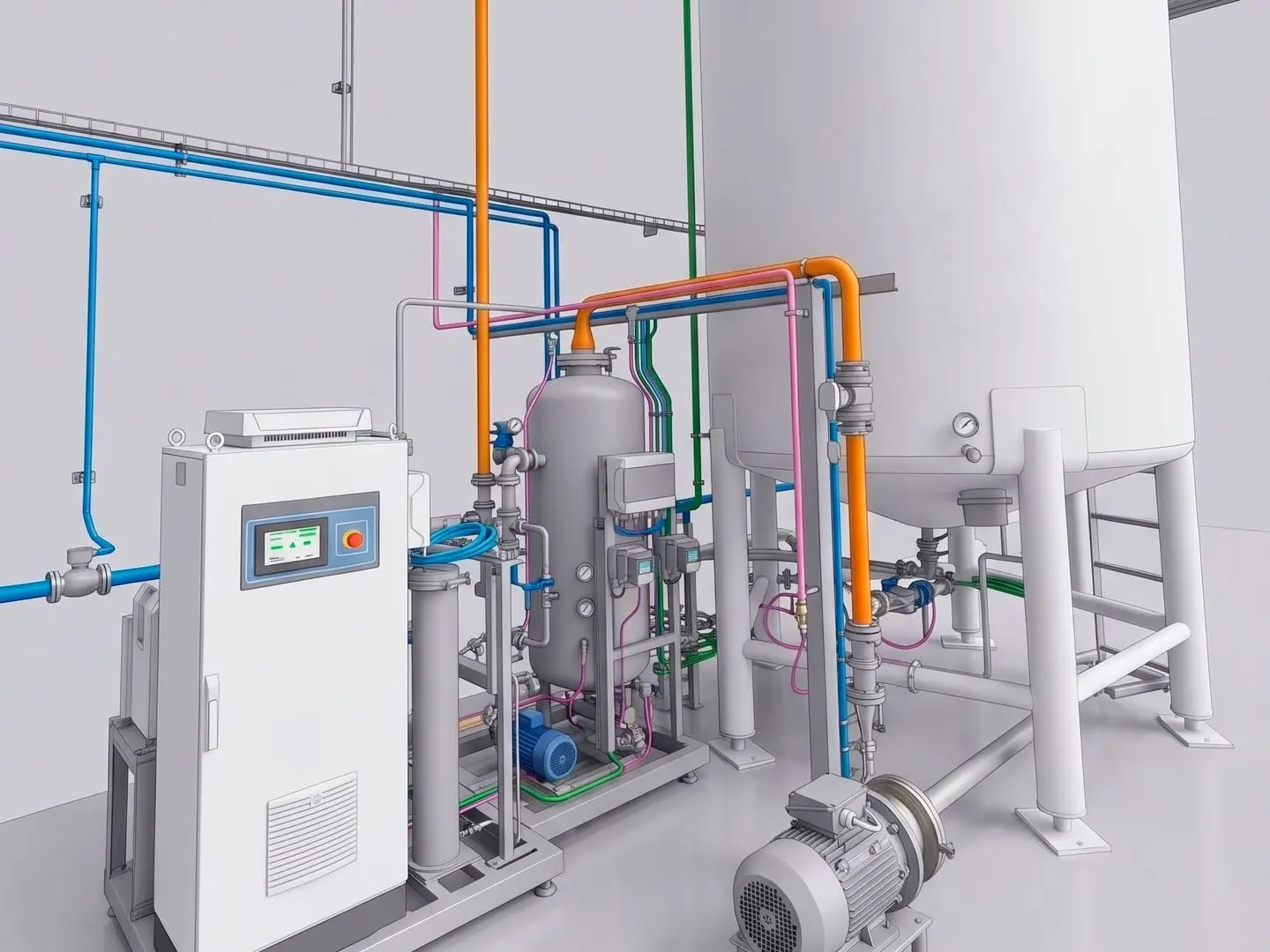
Ozone Treatment in CIP Systems Tailored to Your Needs
We design, manufacture, install and maintain comprehensive ozone systems for cleaning and disinfecting CIP systems. Ozone generators for the food industry and bottling companies producing beverages, juices, soft drinks, milk, beer, wine, pharmaceuticals, etc.
Contact us
Ozone Treatment in CIP Systems Tailored to Your Needs
We design, manufacture, install and maintain comprehensive ozone systems for cleaning and disinfecting CIP systems. Ozone generators for the food industry and bottling companies producing beverages, juices, soft drinks, milk, beer, wine, pharmaceuticals, etc.
Contact us
ZonoSistem case studies in CIP systems
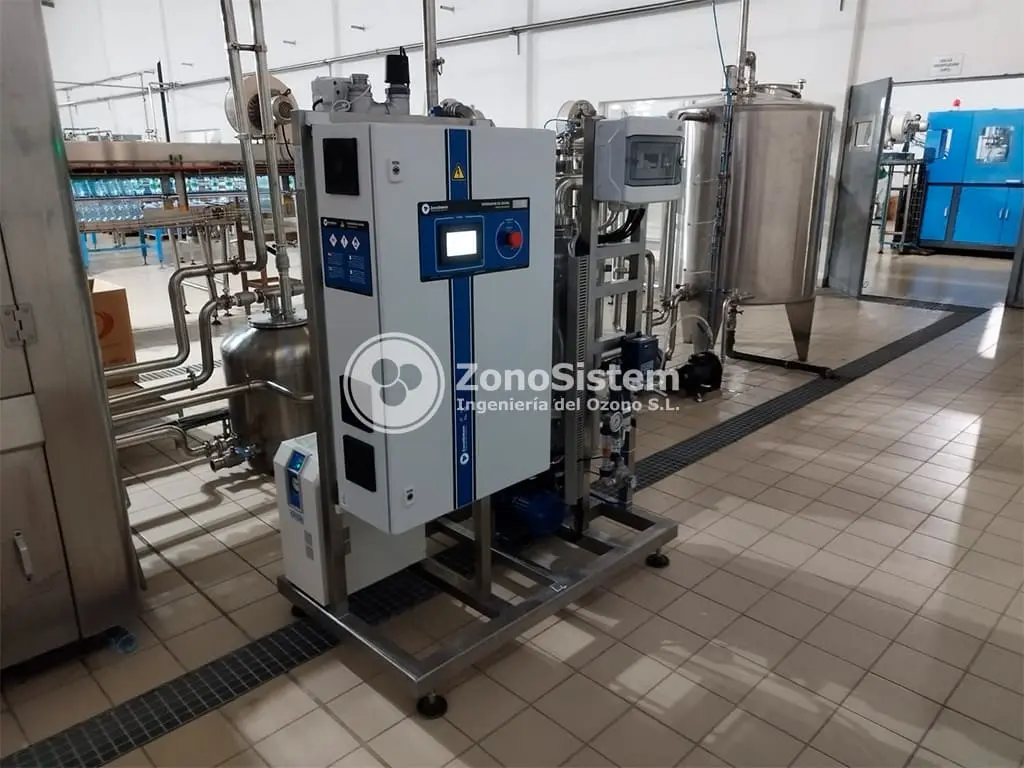
Ozone in CIP water bottling plant, Senegal
This project includes a system for producing osmosis water, which is stored in a storage tank. The osmosis water tank is disinfected with ozone, and the concentration of dissolved ozone is raised to above 0.8 ppm so that it disinfects the pipework of the existing bottling system.
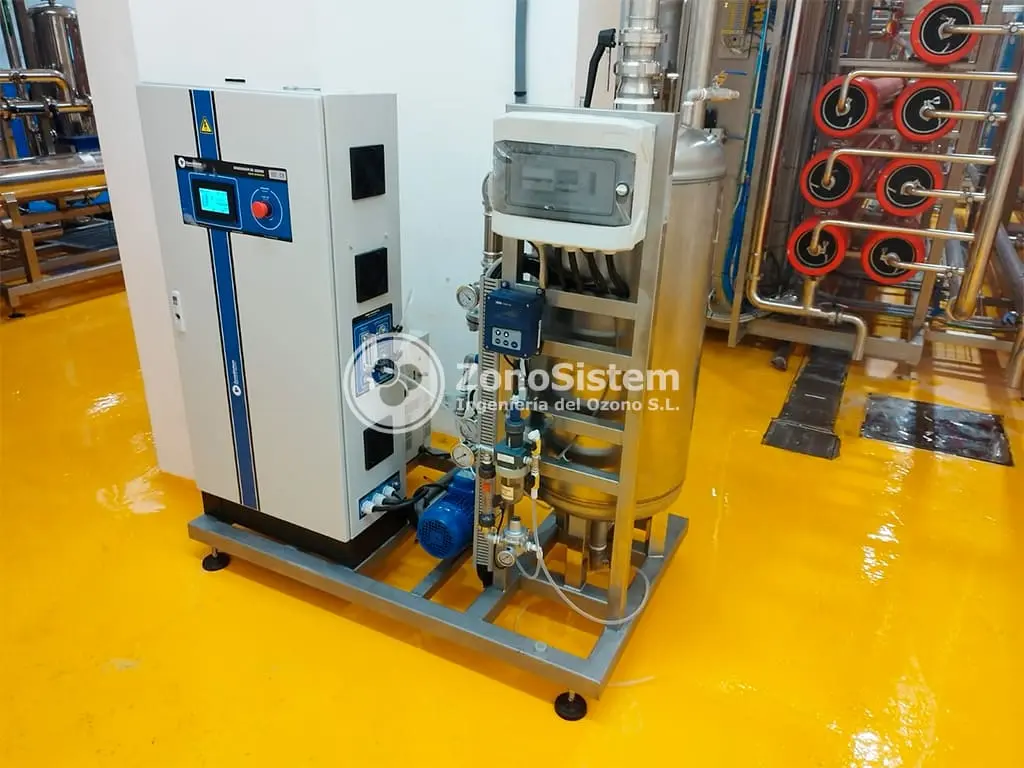
Ozone in a CIP water bottling plant, Morocco
A HIDRO VT GZO40 ozonation plant transforms the water pumped by the CIP system into disinfectant water at a concentration of over 1.5 ppm. This water circulates through all the lines in the bottling plant at room temperature and within a very short period of time. No rinsing is required, and the disinfection of surfaces is guaranteed at the end of each working day.
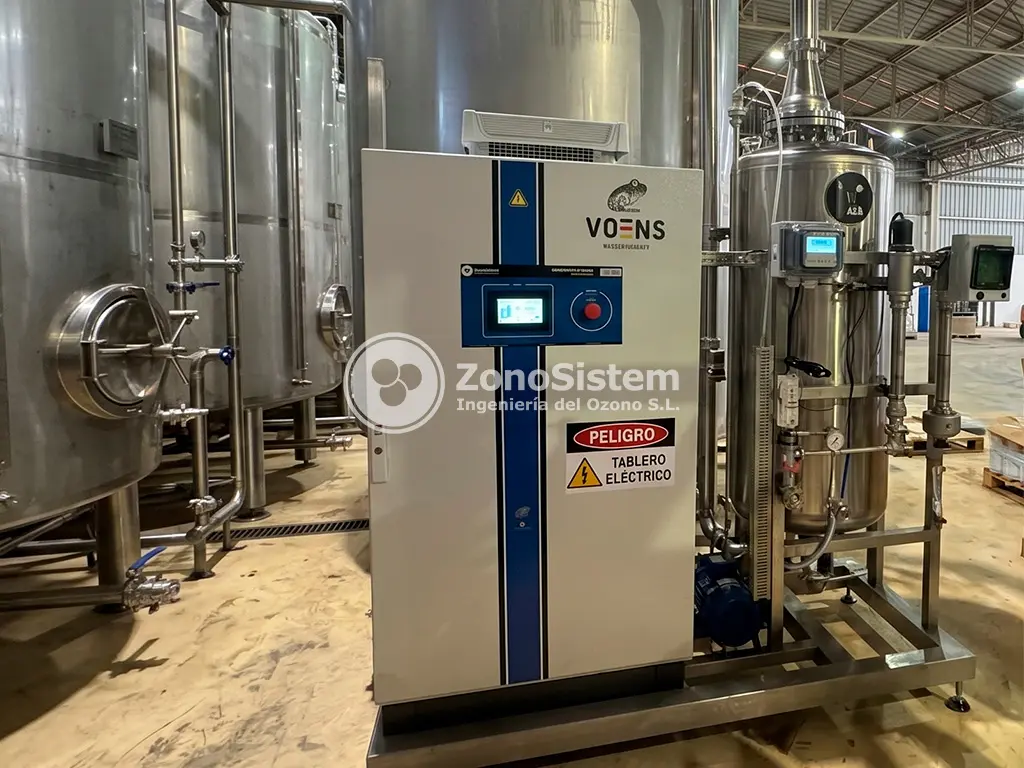
Ozone in CIP systems at soft drinks bottling plants, Chile
A compact, industrial-grade HIDRO VT GRZO120 ozone system is responsible for the disinfection of all production lines and tanks at the soft drinks factory. By accurately calibrating the ozone dose, it successfully achieves surface disinfection objectives in a timeframe that would be unthinkable for standard chemical treatment.
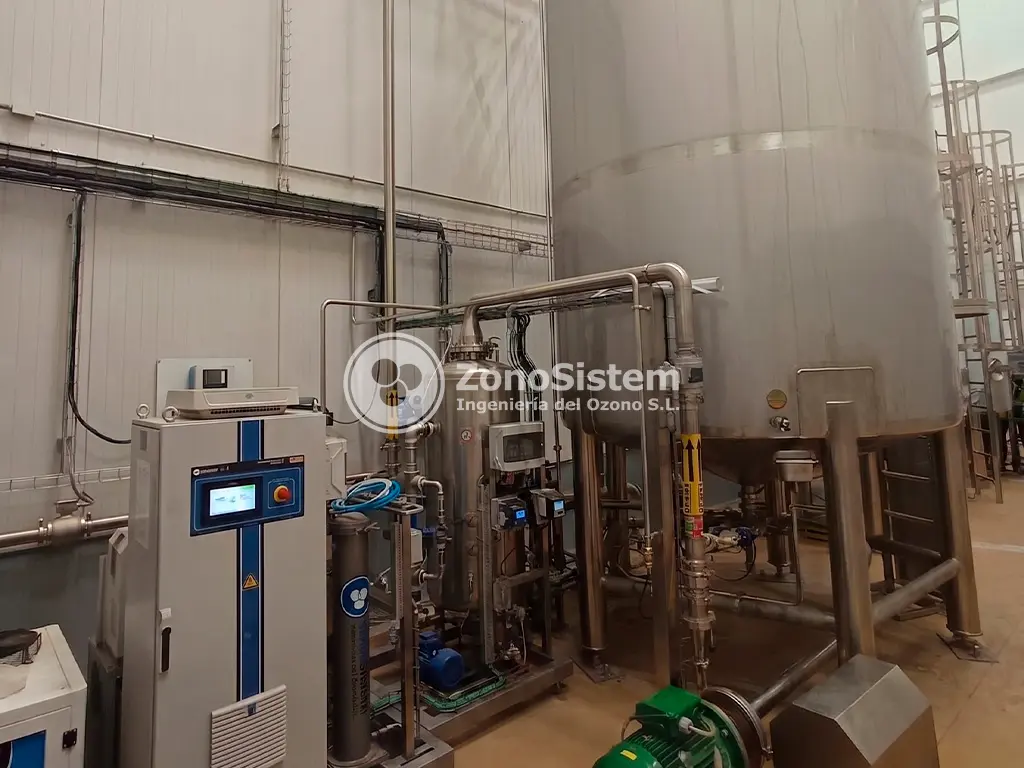
Ozone in a bottling plant in the brewing industry, Chile
A compact, industrial-grade HIDRO VT GRZO200 system is responsible for ensuring the disinfection of 30 m³/h in the CIP system of one of the country’s leading beer producers. The use of high-concentration ozonated water ensures the disinfection of all hydraulic contact surfaces. Savings in rinse water and time are key to increasing the plant’s bottling output.
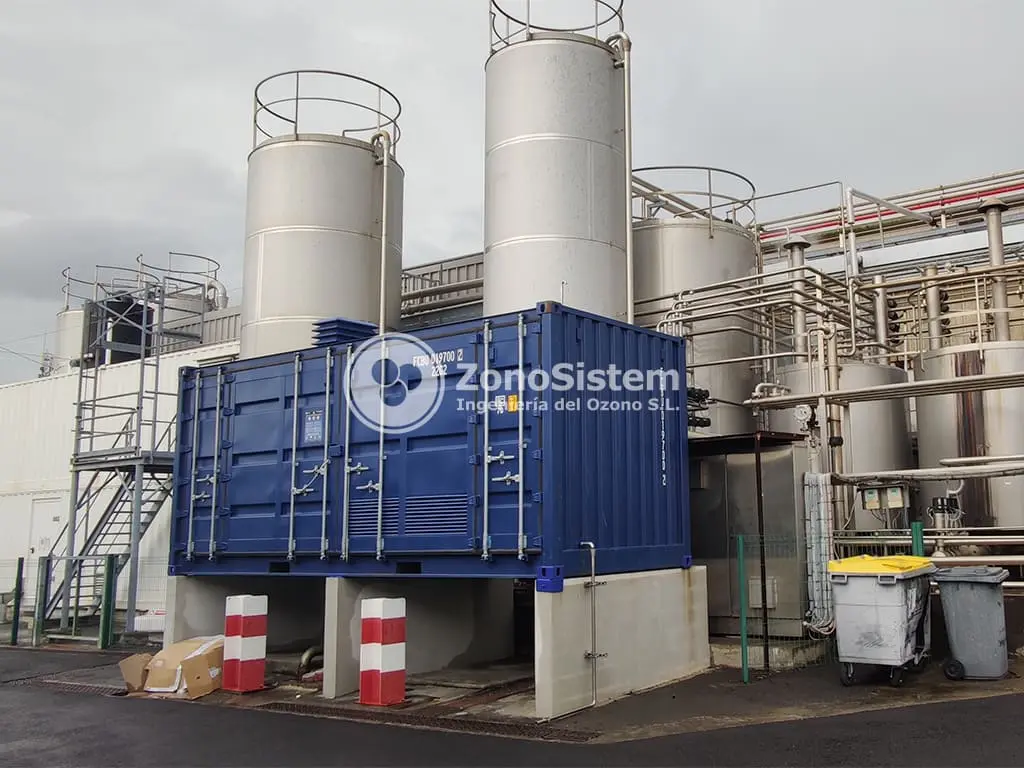
Ozone in CIP dairy factory, Reunion Island
Reunion Island is located in the Pacific and is reliant on ship deliveries of the chemicals required for the CIP cleaning and disinfection system. To ensure a constant supply of a biocide generated on-site, ozonisation technology was chosen. ZonoSistem designed a containerised and transportable system to operate on four CIP washing lines. Each of these lines disinfects the circuits used in the dairy production process with a dissolved ozone concentration of 3.5 ppm.
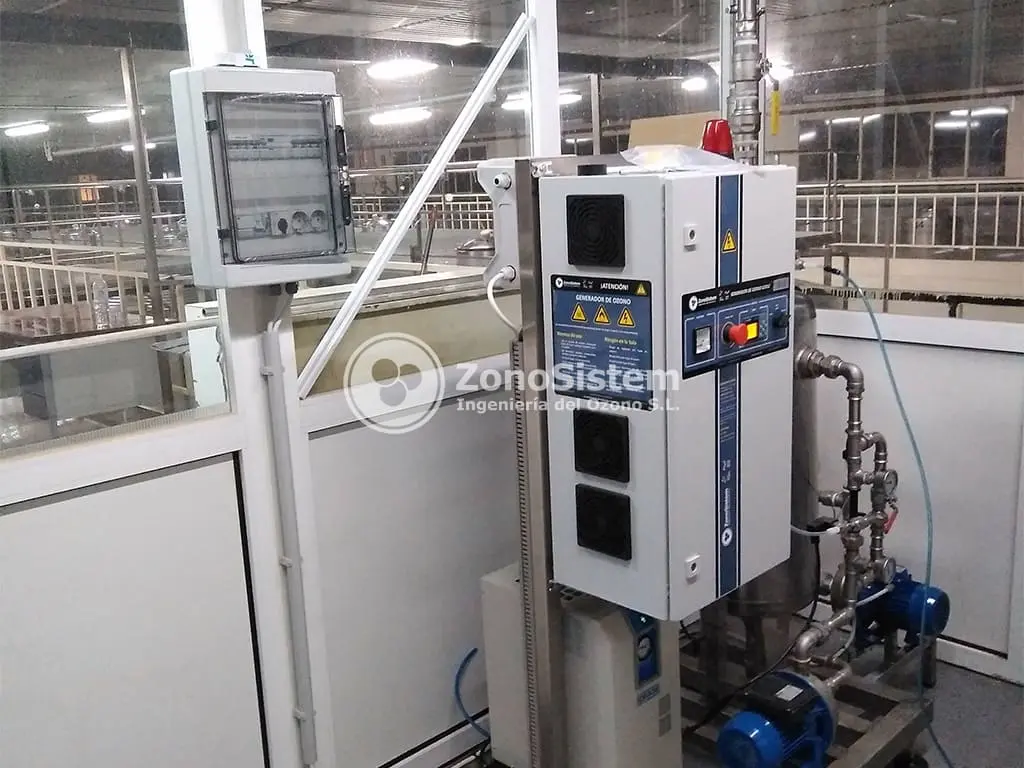
Ozone generator in a CIP system in a winery
Ozonated water for the disinfection of bottling lines, wine storage tanks, filters, etc. Ozone at a concentration of 1.5 ppm ensures the disinfection of all stainless steel surfaces through which wine is transferred and stored. In addition, one of the lines is used for rinsing and disinfecting surfaces.
Ozone in the CIP system of a water bottling plant, Senegal
This project includes a system for producing osmotised water, which is stored in a feed tank. The osmotised water in the tank is disinfected with ozone, and the concentration of dissolved ozone is raised to above 0.8 ppm so that it disinfects the pipes in the existing bottling system.
Ozone in a CIP water bottling plant, Morocco
A HIDRO VT GZO40 ozonation plant transforms the water pumped by the CIP system into disinfectant water at a concentration of over 1.5 ppm. This water circulates through all the lines in the bottling plant at room temperature and within a very short period of time. No rinsing is required, and the disinfection of surfaces is guaranteed at the end of each working day.
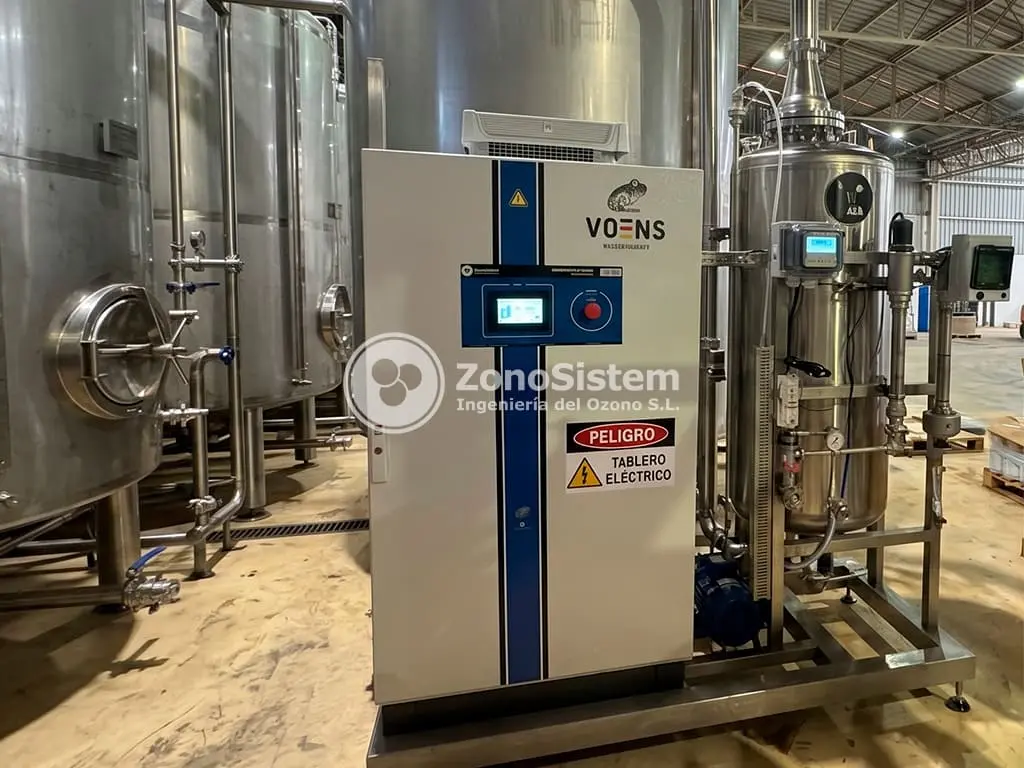
Ozone in CIP systems at a soft drinks bottling plant, Chile
A compact, industrial-grade HIDRO VT GRZO120 ozone system is responsible for the disinfection of all production lines and tanks at the soft drinks factory. By accurately calibrating the ozone dose, it successfully achieves surface disinfection targets in a timeframe that would be unthinkable for standard chemical treatment.
Ozone in a bottling plant in the brewing industry, Chile
A compact, industrial-grade HIDRO VT GRZO200 system is responsible for ensuring the disinfection of 30m³/h in the CIP system at one of the country’s leading breweries. The use of high-concentration ozonated water ensures the disinfection of all hydraulic contact surfaces. Savings in rinse water and time are key to increasing the plant’s bottling output.
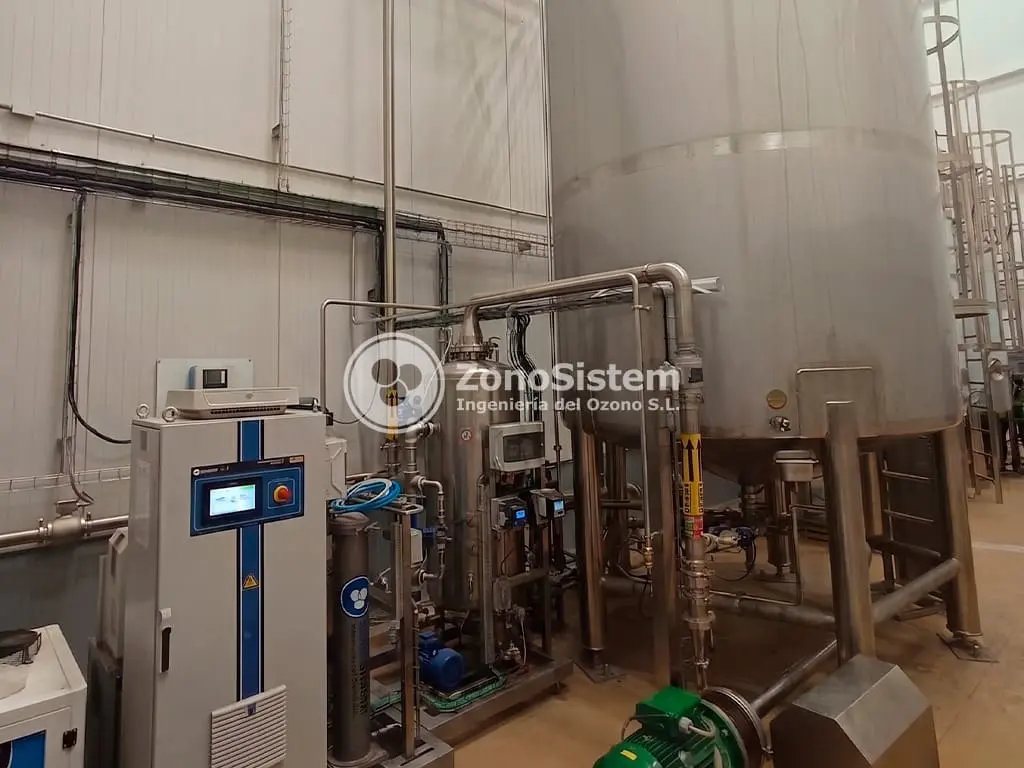
Ozone in the CIP system at a dairy factory, Réunion Island
Reunion Island is located in the Pacific and is reliant on ship deliveries of the chemicals required for the CIP cleaning and disinfection system. To ensure a constant supply of a biocide generated on-site, ozone technology was chosen. ZonoSistem designed a containerised and transportable system to operate on four CIP washing lines. Each of these lines disinfects the circuits used in the dairy production process using a dissolved ozone concentration of 3.5 ppm.
Ozone generator in a CIP system in a winery
Ozonated water for the disinfection of bottling lines, wine storage tanks, filters, etc. Ozone at a concentration of 1.5 ppm ensures the disinfection of all stainless steel surfaces through which wine is transferred and stored. In addition, one of the lines is dedicated to the rinsing and disinfection of surfaces.
Frequently asked questions about the use of ozone in CIP systems
The acronym CIP stands for Clean In Place. This refers to an automated system that cleans and disinfects pipes, tanks and all components that come into contact with the liquid.
It is generally necessary to clean and disinfect all pipework in a food processing plant before packaging begins. Traditionally, descaling agents, degreasers, disinfectants and large quantities of water were used for rinsing. Ozone is now an effective alternative that saves costs, improves performance and reduces the environmental impact when cleaning and disinfecting all hydraulic lines.
- To disinfect, clean and rinse the pipes in the bottling line without the use of chemicals.
- To save water and energy during the process.
- To reduce the consumption of traditional chemicals, the space allocated to their storage, and waste management.
- To reduce washing times and, above all, rinsing times.
- To boost the performance of your bottling line. With fewer CIP downtime periods.
- To reduce the risk of chemical traces in products packaged on your bottling line.
- Ozone in water or soft drink bottling lines.
- Ozone in beer or wine bottling plants.
- Ozone in milk or juice bottling plants.
- Ozone in detergent or chemical bottling plants.
- Ozone in flour mills and bakeries.
- Ozone in all types of bottling plants and packaging lines for food, chemical and pharmaceutical products.
Do you require a quote?