Laboratory and piloting
Identify the optimal parameters for the implementation of this technology in your industry
A laboratory pilot test with ozone is used to evaluate the effectiveness and feasibility of an ozonation process under controlled conditions. These types of tests are conducted in a laboratory environment, using small-scale ozone equipment that is highly precise and equipped with data recording.
The pilot tests for ozone water treatment are an essential tool for understanding the ozone demands necessary to meet the objectives.
Advantage of preliminary studies before the implementation of an ozone system
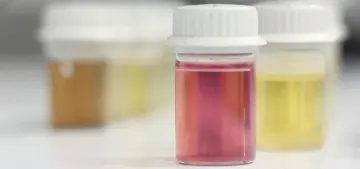
Effectiveness of the ozonation process under controlled conditions
Definition of the pilot objectives. The objectives of the pilot must be defined, such as the effectiveness of the process, economic viability, or the safety of the process. A complete pilot report is delivered.
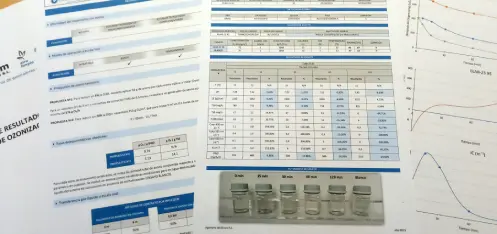
Identify the optimal operating parameters of the process
ZonoSistem applies ISO quality standards in its ozone water pilot laboratory as well. An ozone equipment suitable for the pilot conditions must be selected.
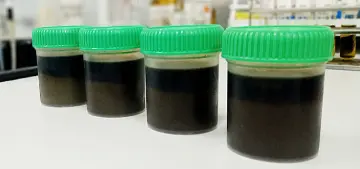
They allow for the collection of data to conduct economic feasibility studies
Analysis of the results: The results of the pilot must be analyzed to evaluate the effectiveness of the process. The deadline for issuing the report is 7-15 calendar days from the receipt of the sample.
Problem disinfecting and purifying the water in your industry?
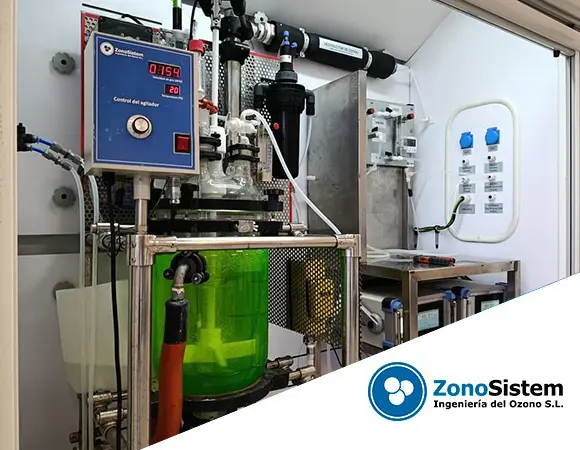
Before investing in an ozone generation system, our laboratory pilot tests provide the technical and economic certainty your company needs. These small-scale trials faithfully reproduce the real conditions of your operations to determine the exact dosage and optimal contact times, avoiding unnecessary costs from oversized or ineffective equipment. In just two to four weeks, we conduct chemical and microbiological analyses before and after treatment to scientifically demonstrate the project's effectiveness, also providing you with an accurate calculation of the Return on Investment (ROI) by precisely defining future energy and operational costs (OPEX) before manufacturing the final equipment.
Our services are adaptable to any sector through testing in aquatic matrices (purification and drinking water treatment), gaseous (odor removal and environmental disinfection), and agri-food (preservation and washing of food without residues). Thanks to the high oxidizing power of ozone, we successfully test the removal of a wide variety of elements: from microbiological load (bacteria, viruses, and fungi) and organic or industrial contaminants (oils, detergents, and reduction of COD), to emerging microcontaminants (pesticides), inorganic compounds (iron and manganese), and odoriferous gases such as ammonia or hydrogen sulfide, guaranteeing an engineering solution tailored to your needs.
Types of piloting
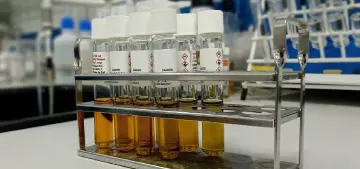
Level 0 Piloting: Susceptibility
The Level 0 piloting is the most basic. It is used to check the effectiveness of the treatment on a single parameter. This type of piloting is useful for assessing the viability of a treatment in a specific case. The test is conducted in 1-liter samples.
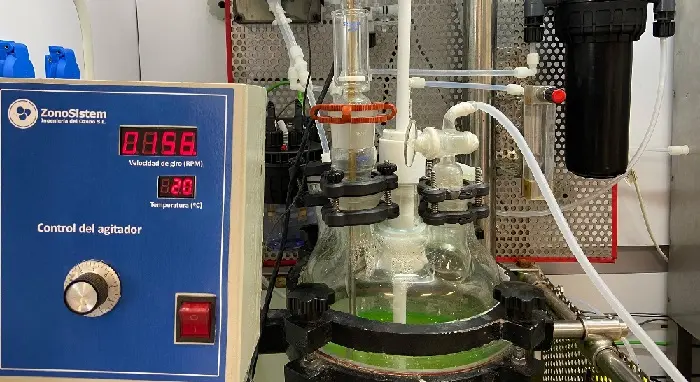
Piloting Level 1: Manageability
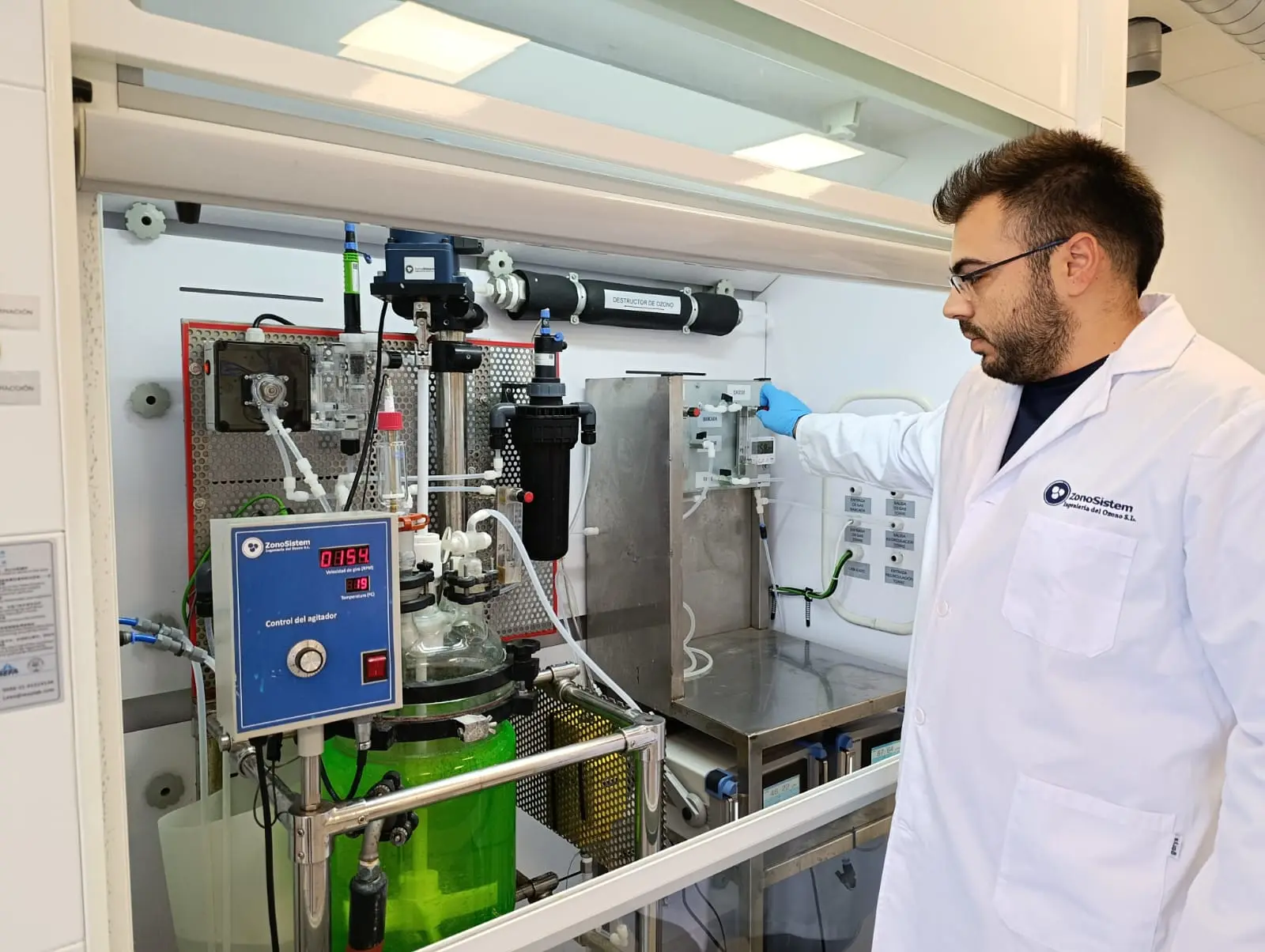
The Level 1 pilot is more comprehensive than Level 0. A series of standard parameters are analyzed, and samples are taken at different time intervals. This type of piloting allows for the evaluation of treatment effectiveness under more realistic conditions and provides an estimate of ozone demand. The test is conducted in a 10-liter reactor.
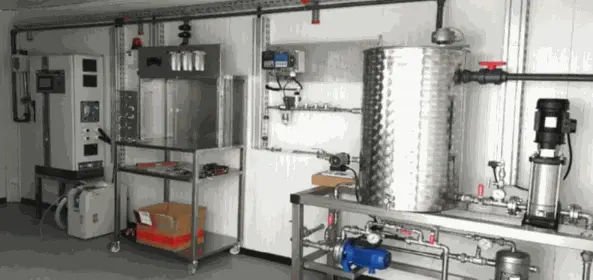
Piloting Level 2: Precision
The Level 2 pilot has as its main characteristic the large volume of test water, as we use a 1,000-liter reactor. Additionally, it employs a more efficient technique for ozone injection and dissolution, such as pressurized recirculation. The ozone generator used has concentrations of up to 150 g O3/Nm3.
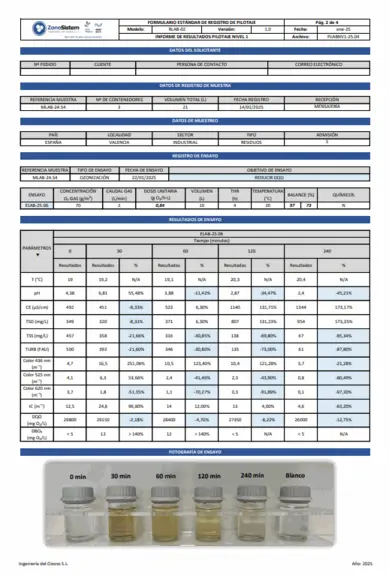
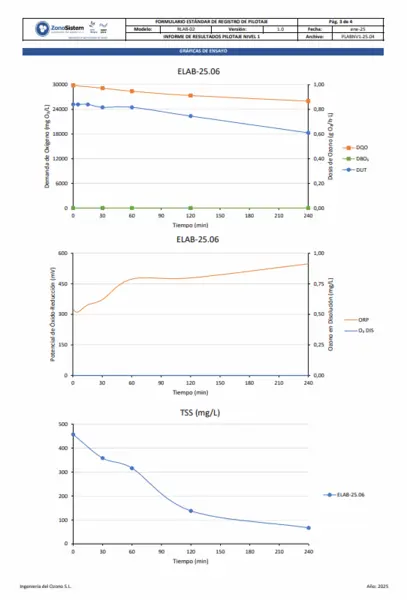
Example of Level 1 Pilot Test Results Report
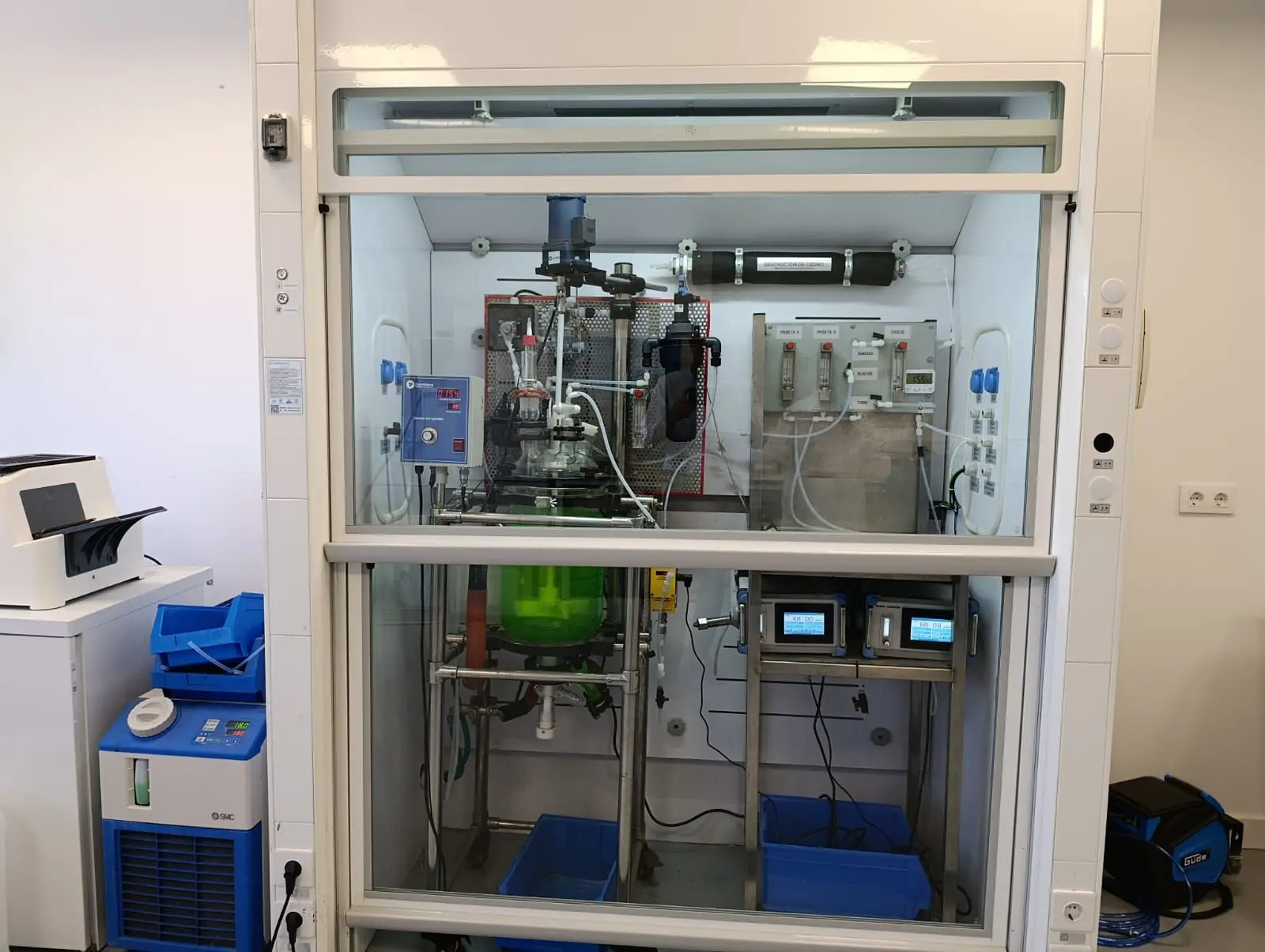
Pilot process
At ZonoSistem, we offer our Level 1 pilot program as a cutting-edge service designed to provide a comprehensive understanding of the effectiveness of ozone in improving water quality. The process begins with the receipt of a representative sample from the client with a volume of 10 liters. A 10-liter reactor is carefully prepared to recreate the optimal ozonation conditions through bubbling and agitation at atmospheric pressure.
A continuous monitoring of physicochemical parameters is carried out, and the relationships between dissolved ozone, redox potential, unit transfer dose, and total ozone demand are studied. Samples are taken at different time intervals (pH, conductivity, temperature, TSD, TSS, turbidity, color, COD, etc.). Additionally, depending on the type of pilot testing, assays can be conducted on surfactants, phenols, toxicity, microbiology, etc.
Finally, a report is generated with all the results in order to make decisions for the final project.
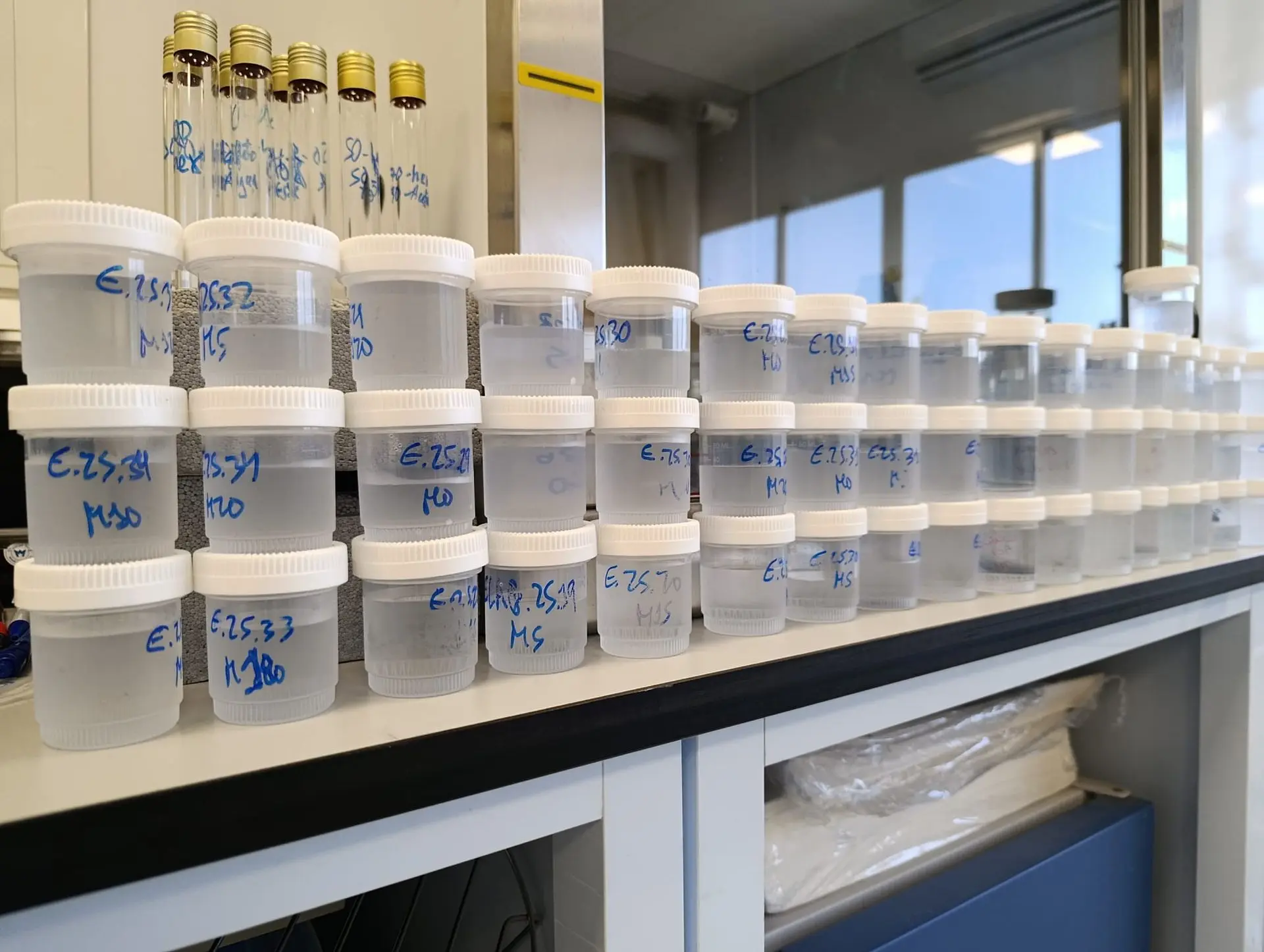
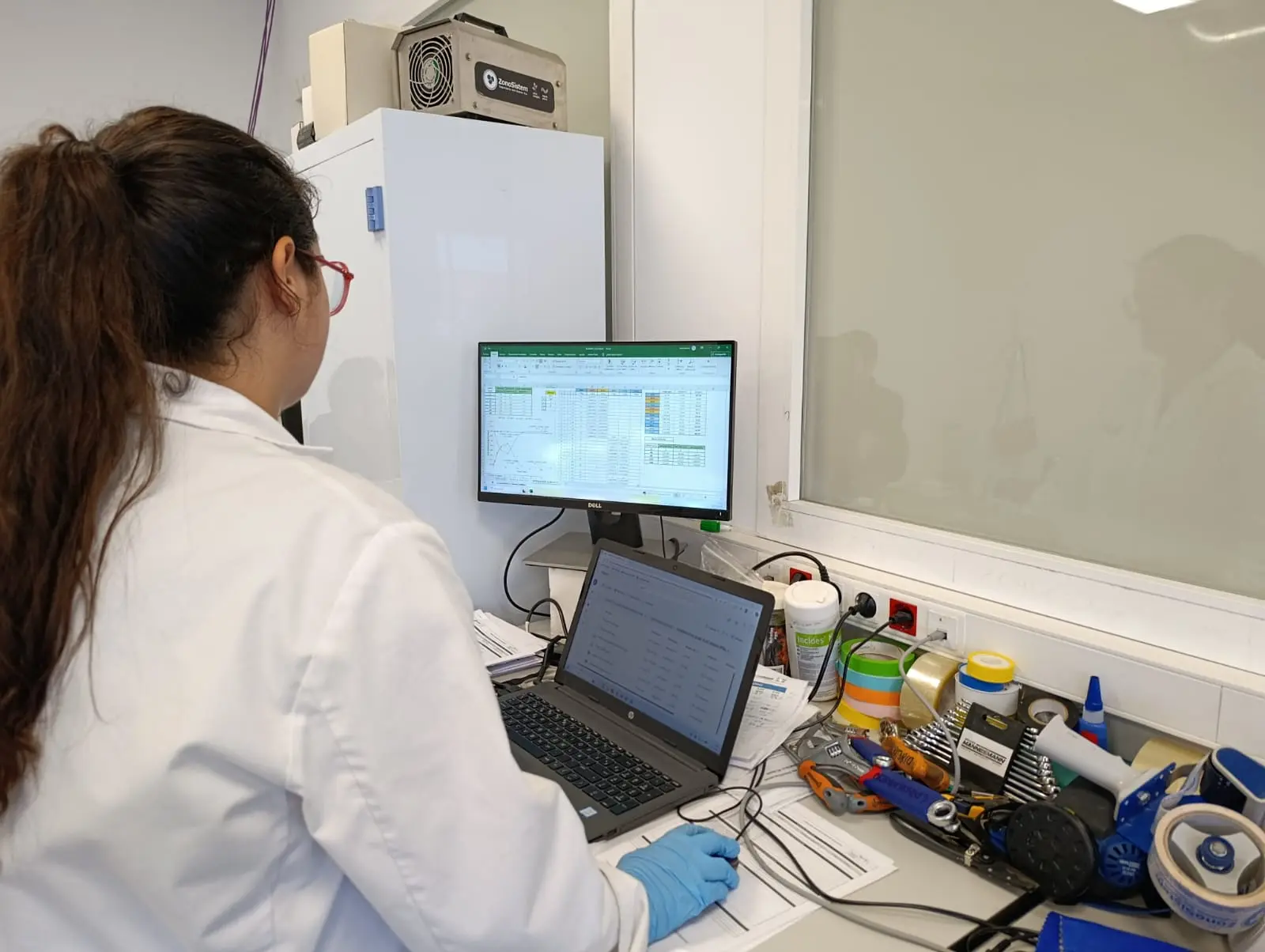
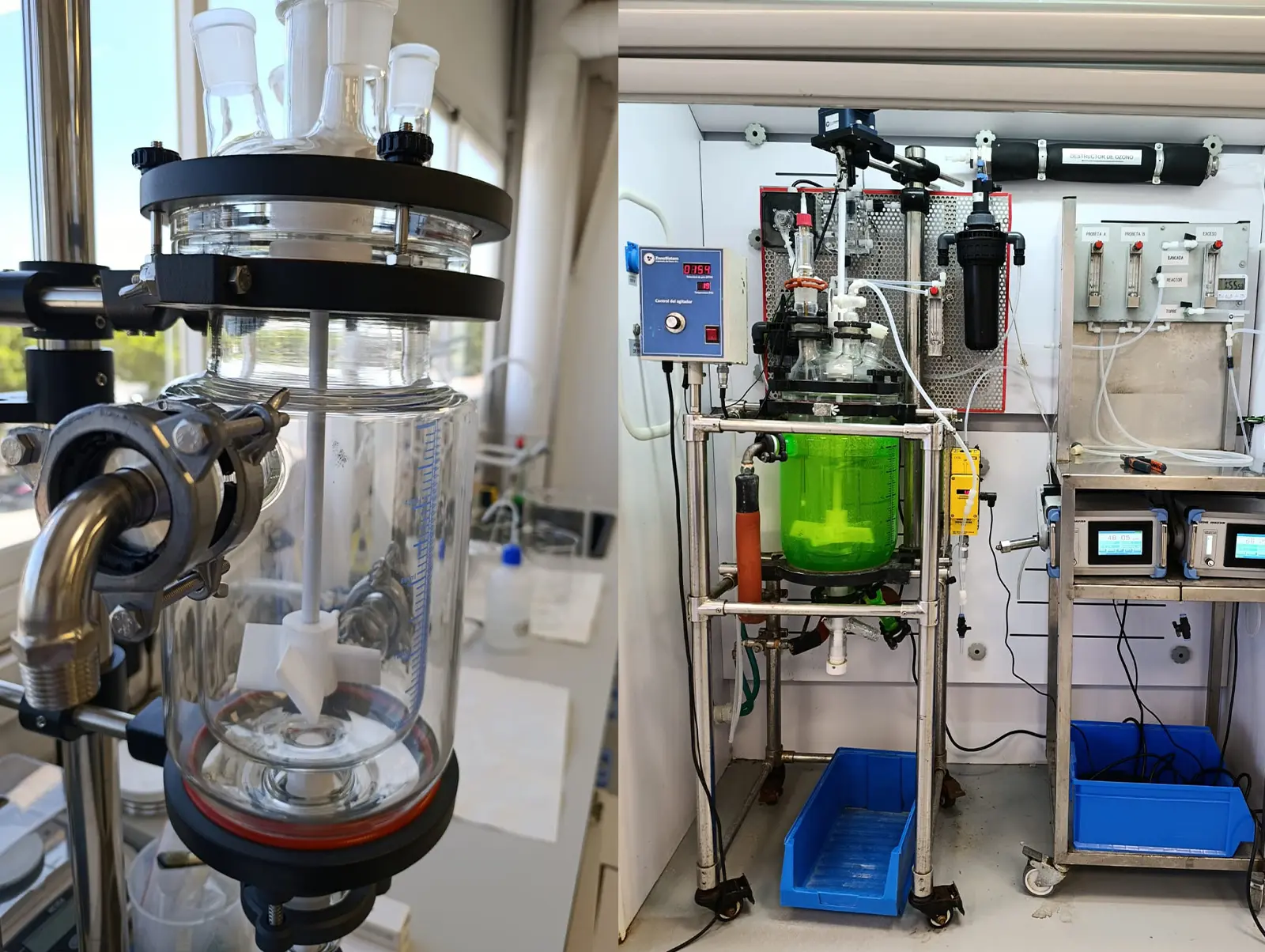
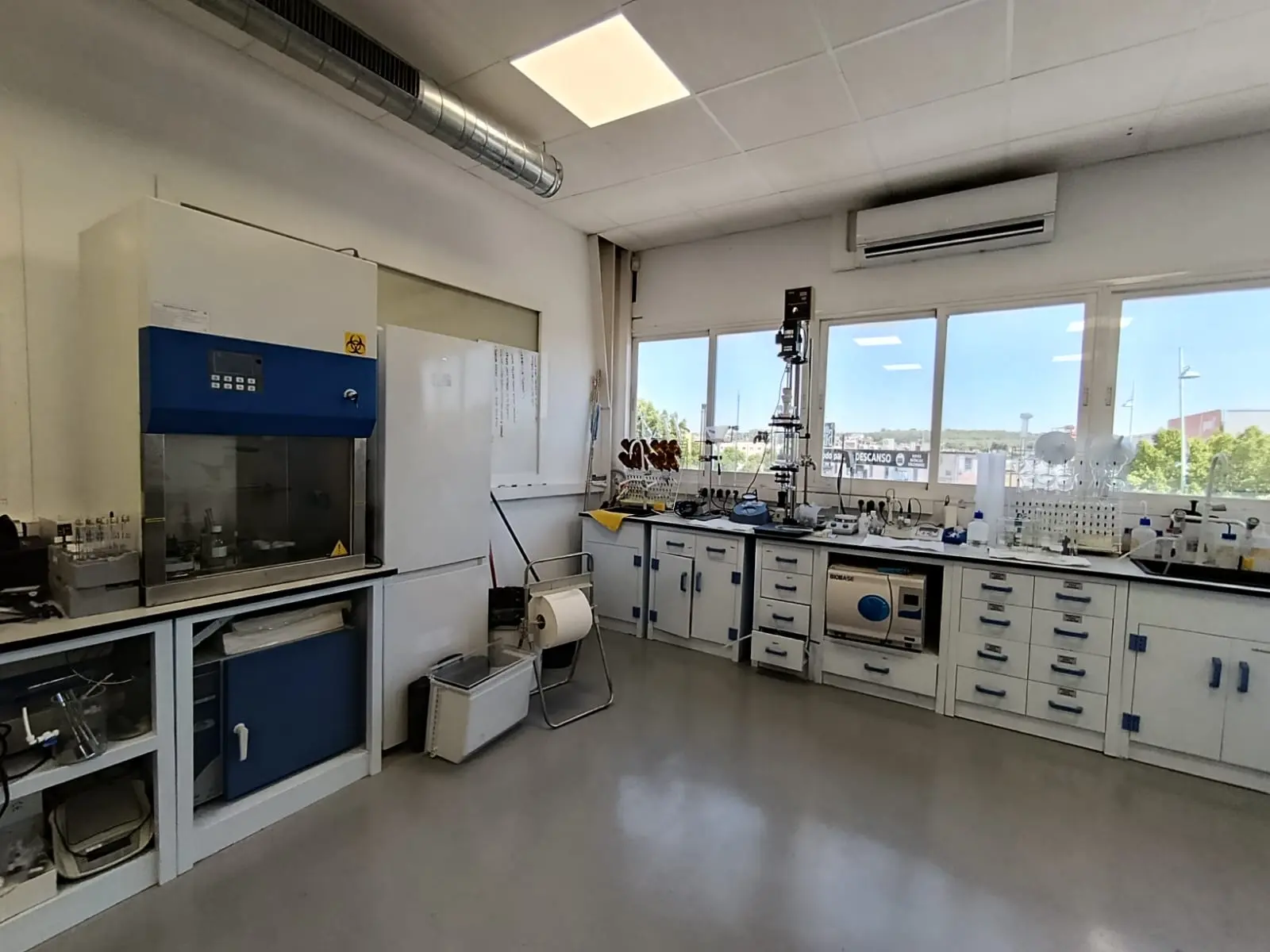
Examples of Ozonation Pilot Testing
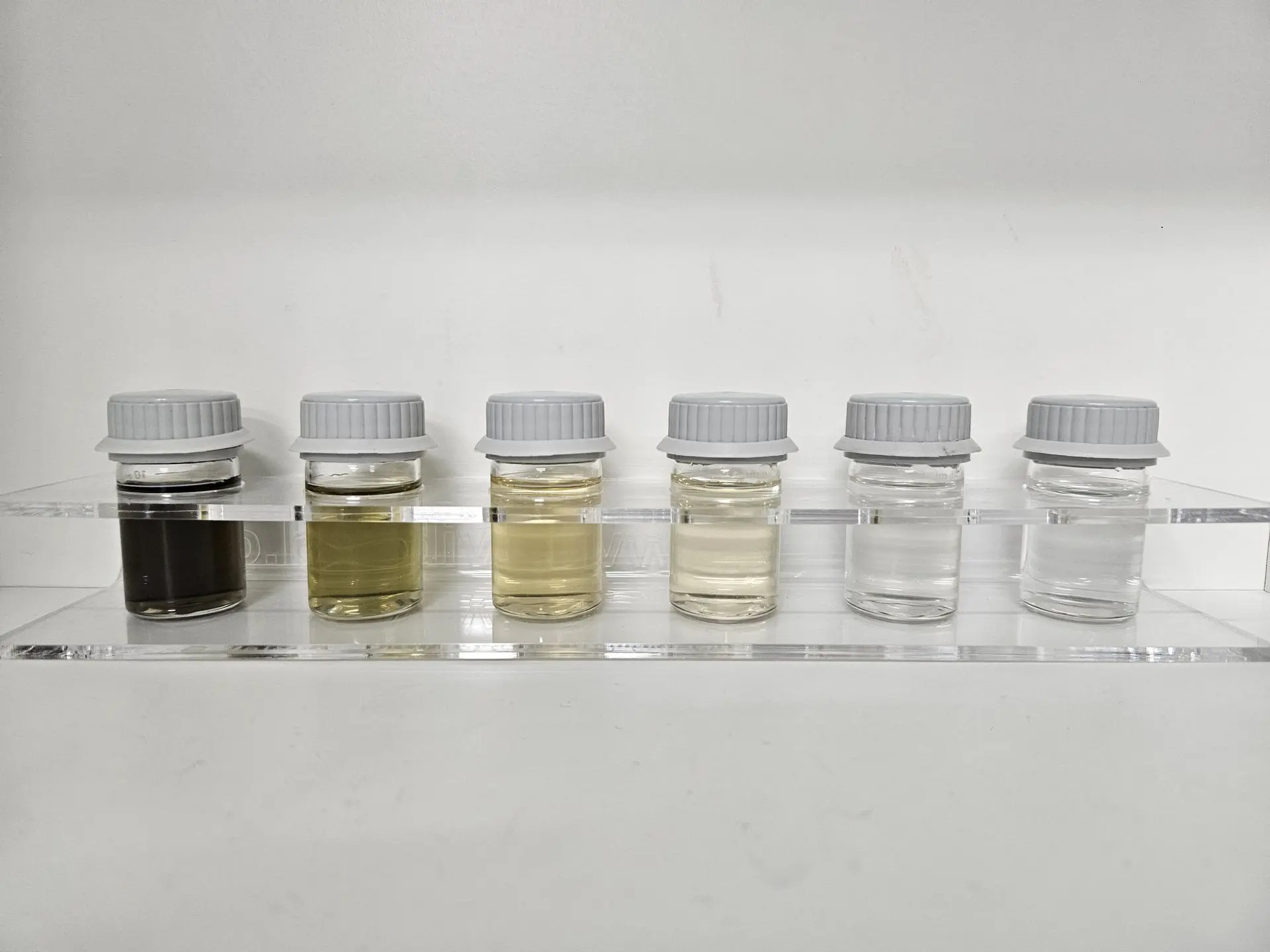
Pilot testing for color reduction and COD
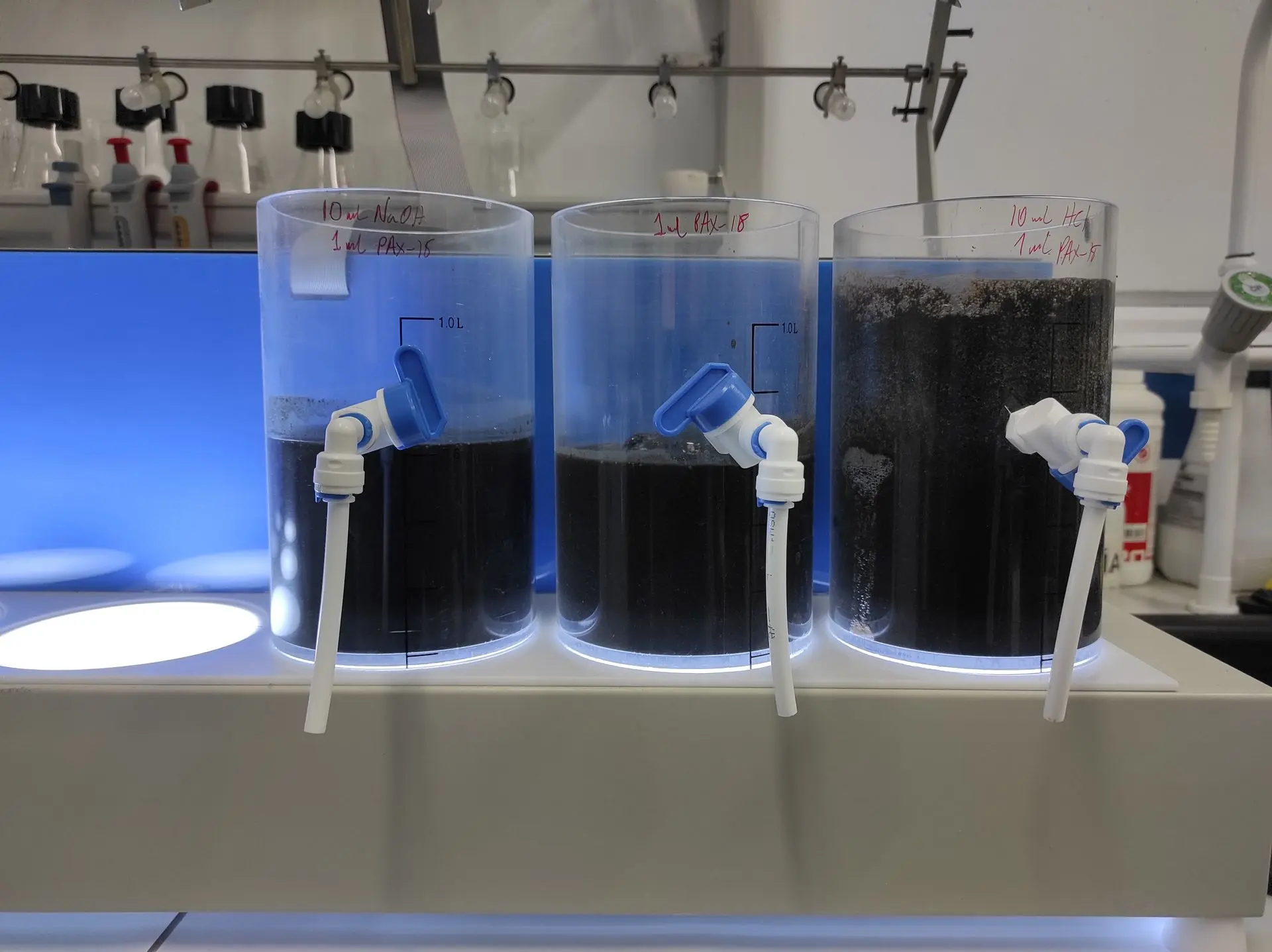
Jar Test Pilotage
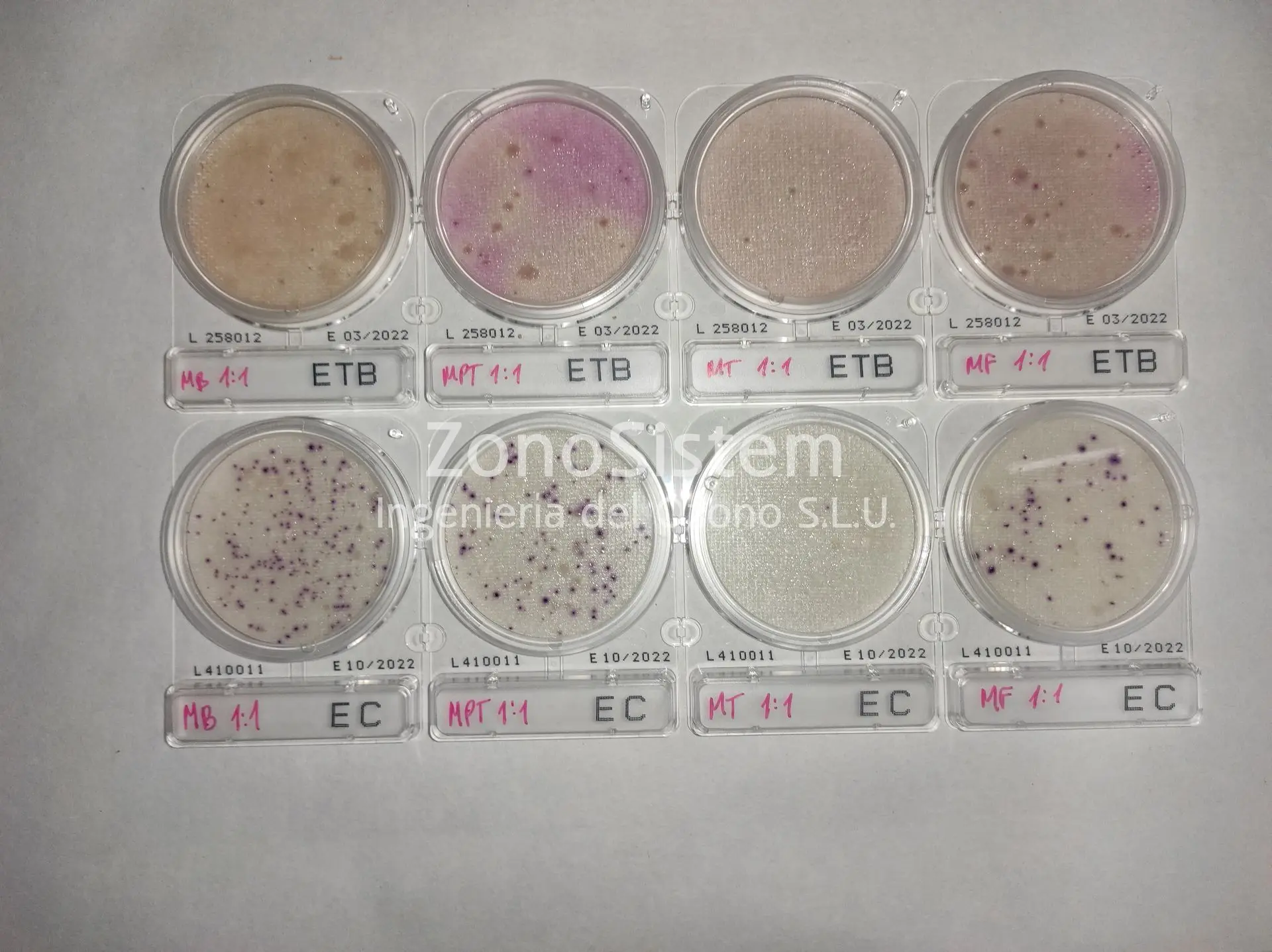
Water microbiology monitoring
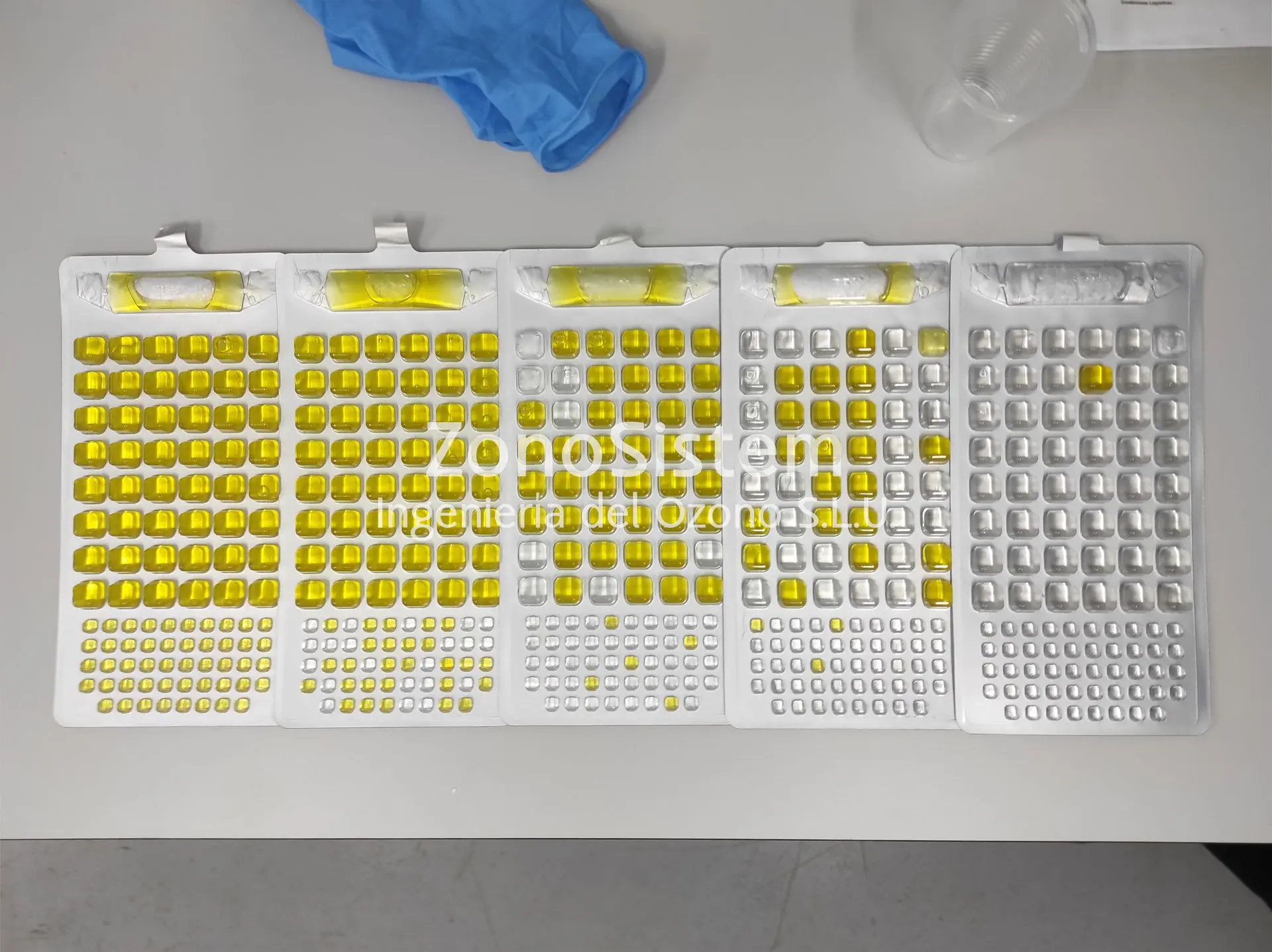
Coliform Pilotage
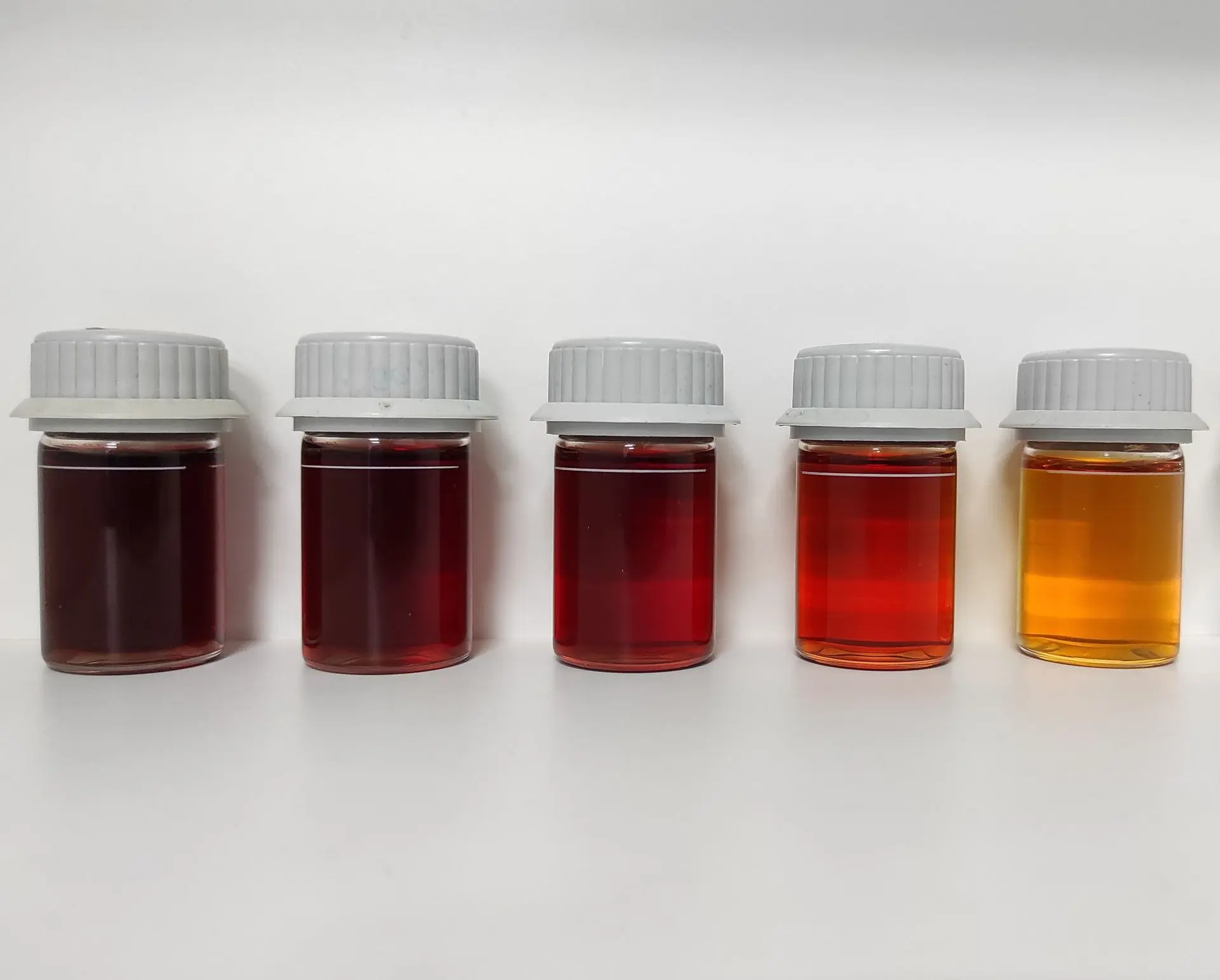
Pilotage color and sulfite reduction
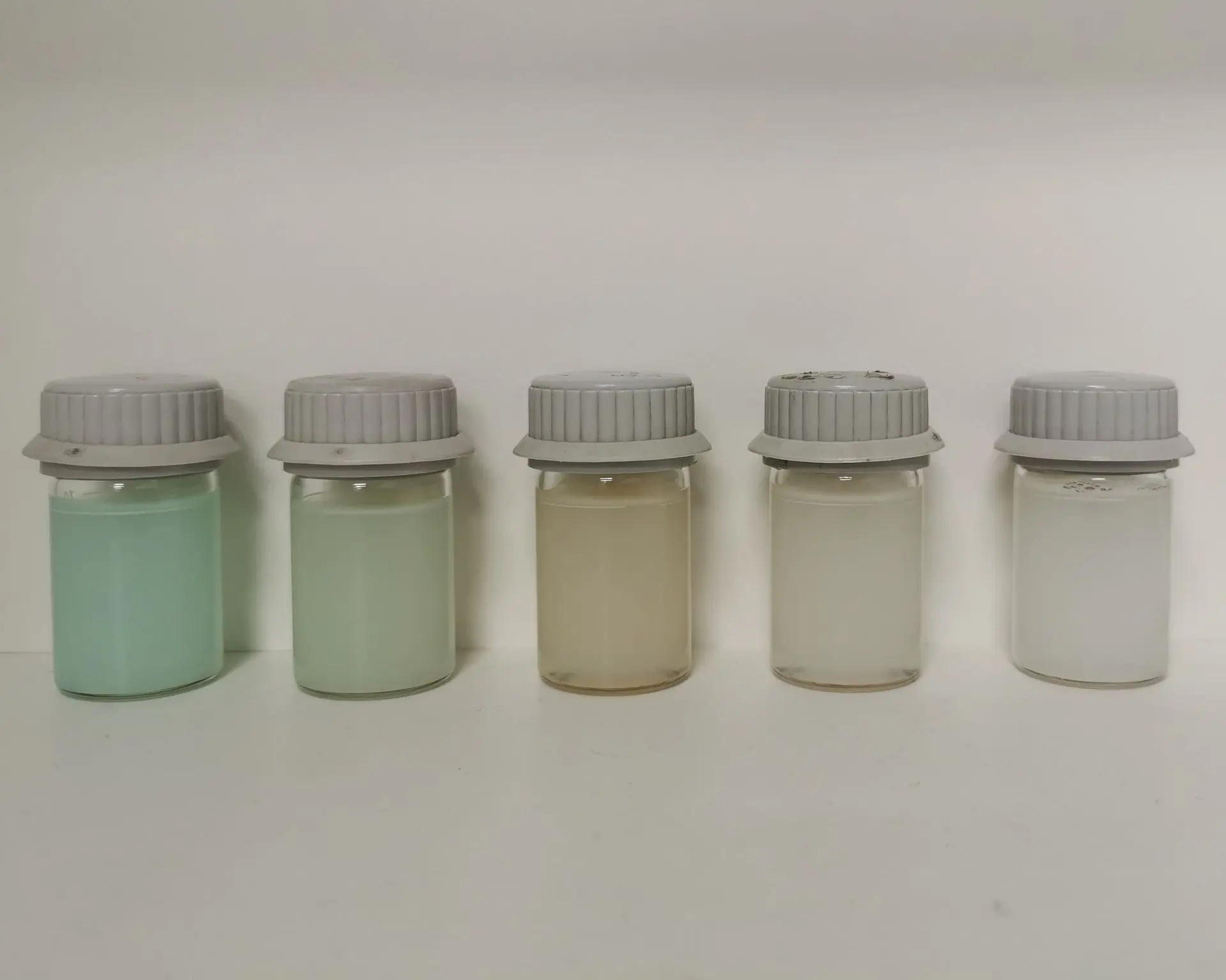
Pilot testing of surfactant reduction