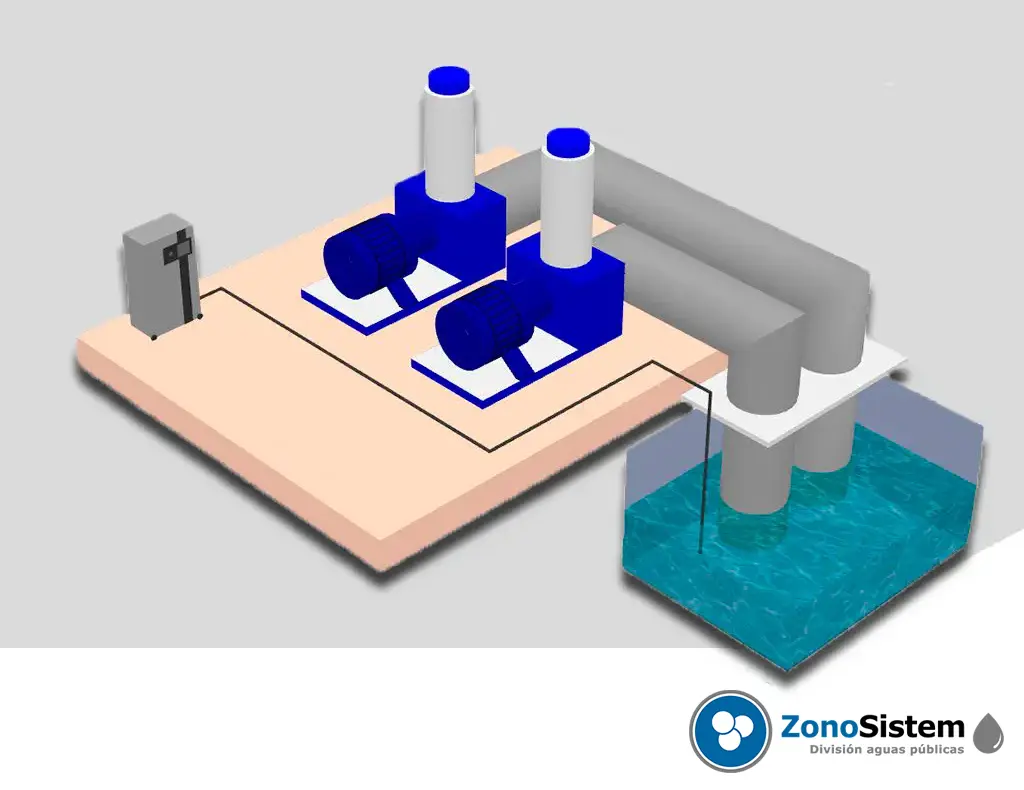
Use of Ozone in WWPS
Ozone is a well-established technology in waste water treatments. There are four main stages of application:
Pre-oxidation of the influent prior to biological treatment, to improve the COD/BOD ratio. Recirculated sludge treatment, to improve the volumetric sludge index. Tertiary treatment, for disinfection and reuse. Quaternary treatment, for the removal of emerging pollutants.
Ozone’s powerful oxidising capacity makes it an excellent tool for use at any of these stages, as it has a direct beneficial effect on COD, BOD, suspended solids, dissolved solids, turbidity, colour, odour, emerging pollutants and, of course, microbiology. Ozone is a simple and safe technique that achieves even the most demanding results.
ZonoSistem advises detailed engineering firms on the drafting of project specifications, as well as designing and manufacturing the ozone generators for the actual project.
Ozone Generators at a Wastewater Pumping Station
Improves environmental quality, eliminates odours and reduces the impact on sewerage networks
Ozone is a powerful oxidising agent, which is added to water to purify it
Ozone is generated on-site; there is no need to store or transport chemicals
Ozone contributes to sustainability and to reducing the carbon footprint
The system is automated; it does not require any manual labour to operate it
Are you having odour problems with your WWPS?
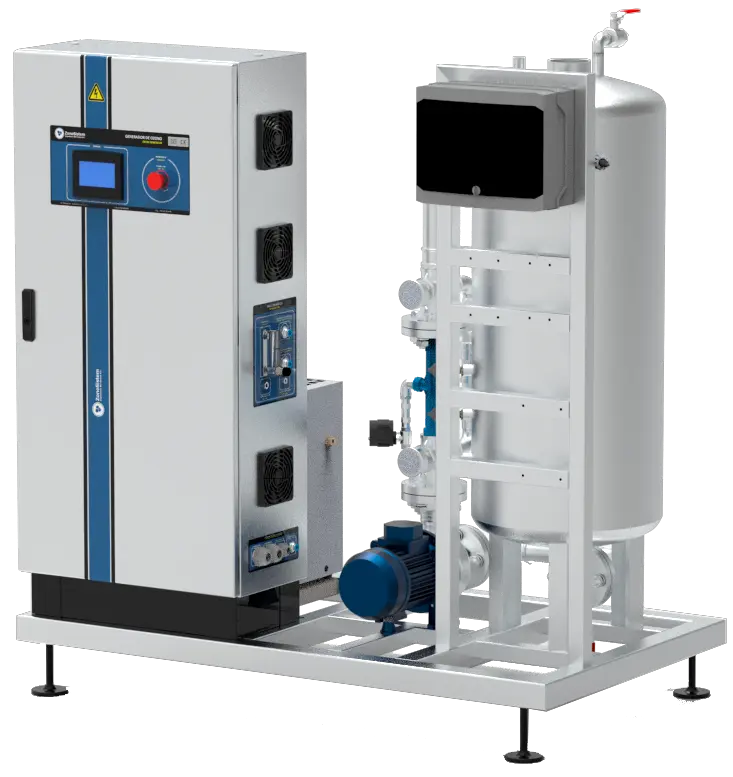
The use of ozone in wastewater pumping stations (WWPS) enables effective control of the problems associated with direct discharge into a receiving water body, thereby improving the quality of the water pumped to the WWTP. Ozone acts as a powerful oxidising agent that reduces the pollutant load and optimises the condition of the water in the sewerage network.
The use of ozone at a wastewater pumping station effectively eliminates odours in residential and leisure areas, reducing the presence of gases such as hydrogen sulphide (H₂S) and ensuring that regulatory limits are not exceeded. Furthermore, it helps to control the proliferation of anaerobic bacteria in pumping wells, which are responsible for the generation of unpleasant odours and corrosion.
The deployment of ozone deodorisation systems in pumping stations reduces the need for chemical treatments and lowers the costs associated with traditional gas treatment systems.
Incorporating ozone into wastewater management at a wastewater pumping station improves operational efficiency, reduces environmental impact and ensures greater control over water quality and emissions, offering a sustainable, effective and cost-effective solution for sanitation infrastructure.
Advantages of using ozone in WWPS

Complete elimination of odours
Ozone effectively removes odour-causing compounds such as hydrogen sulphide and volatile organic compounds. Its oxidising action takes effect immediately, improving the environment within the Wastewater pumping station without producing any waste and without the use of additional chemicals.
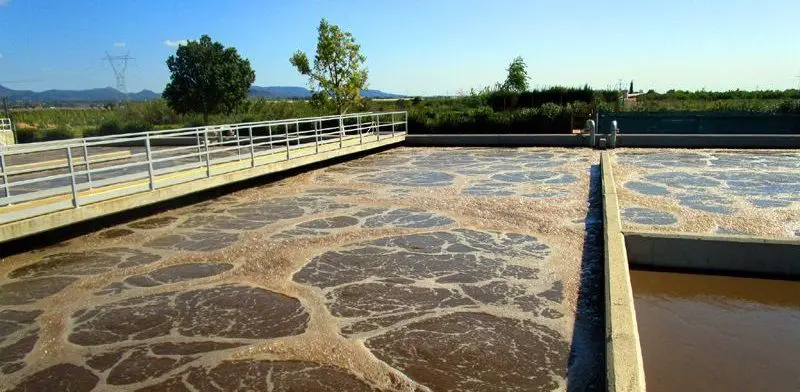
Reduction in the build-up of grease and sludge
Ozone effectively breaks down the organic matter present in wastewater, helping to disintegrate grease cakes and reducing sludge build-up. This improves pumping efficiency and reduces the need for frequent cleaning.
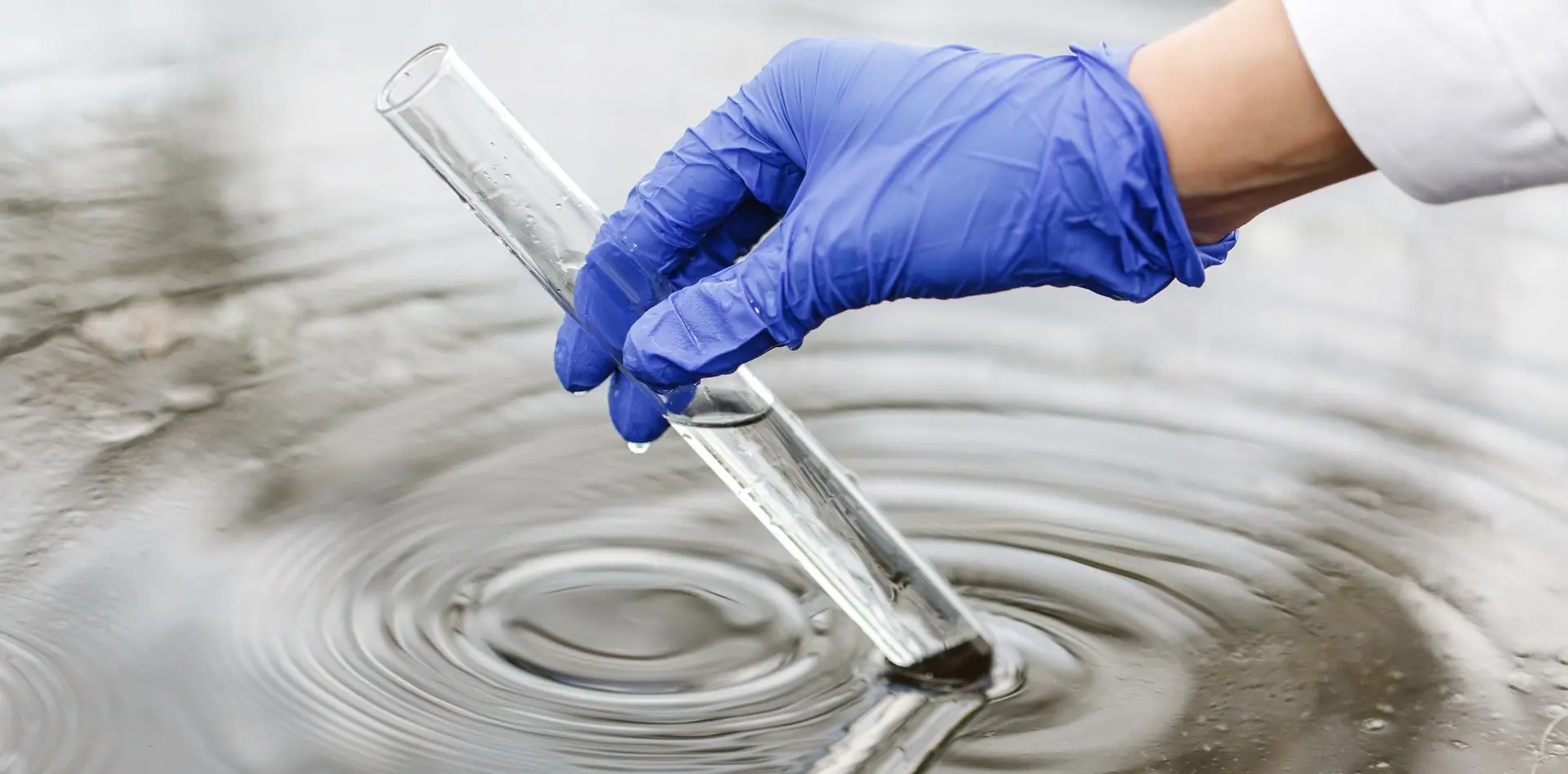
Improves water quality
Deep bubbling with ozone ensures even distribution throughout the wastewater, promoting the oxidation of organic compounds, pathogens and contaminants. The result is a significant improvement in the quality of the pumped water and a safer, cleaner environment for subsequent processes.
No manual labour, automatic
The system automatically generates and injects ozone into the tank, without the need for manual labour. It simply needs to be connected to the tank and a power socket.
No chemical storage
Ozone is generated on-site and applied immediately, so it does not require the storage or handling of chemicals, eliminates the need for transport and reduces the carbon footprint.
Biocide recognised by ECHA
Ozone is included on the European Chemicals Agency’s (ECHA) list of biocides, and ZonoSistem has all the necessary documentation to ensure its proper authorisation and use
Ozone Injection Techniques for Wastewater Pumping Station
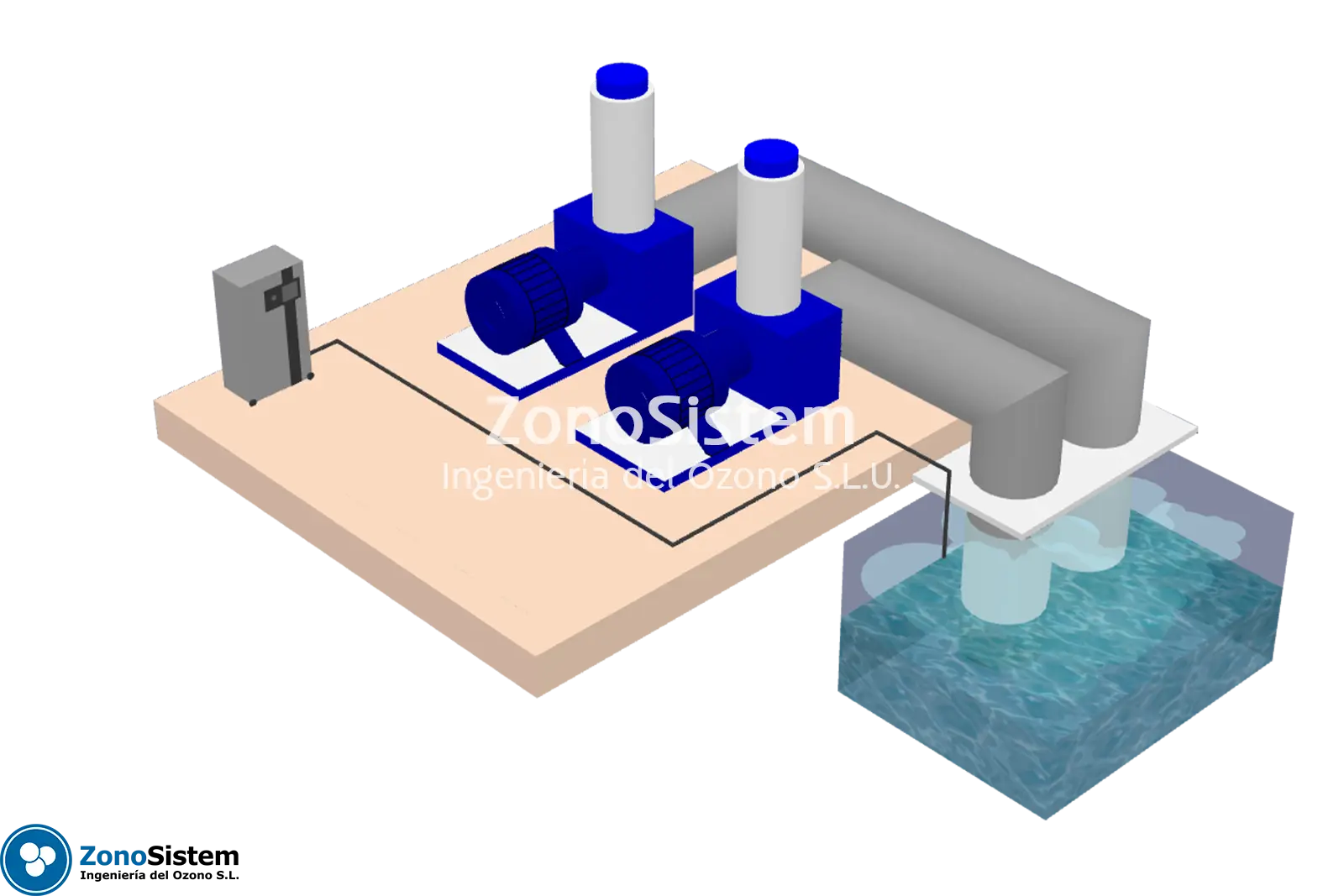
Direct injection into the air chamber of the pumping well
This technique allows gaseous ozone to be injected into the gas chamber situated above the water surface. This environment contains high levels of hydrogen sulphide, and the ozone will react to oxidise it.
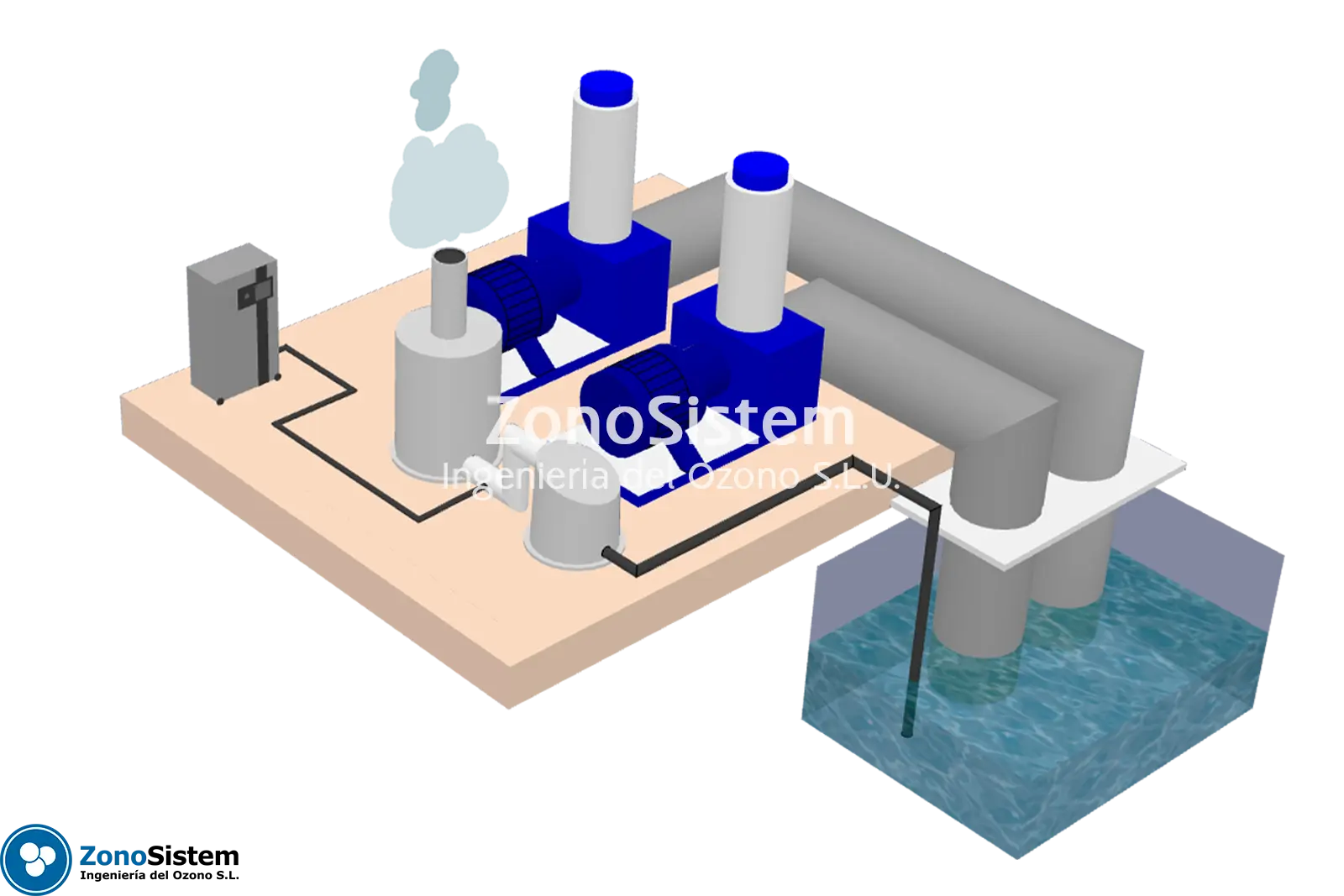
Direct injection into the extraction flue
This technique is suitable for wastewater pumping stations that have a channelled injection system. It involves injecting ozone into the chimney’s outlet pipe to reduce odours before they are released into the atmosphere
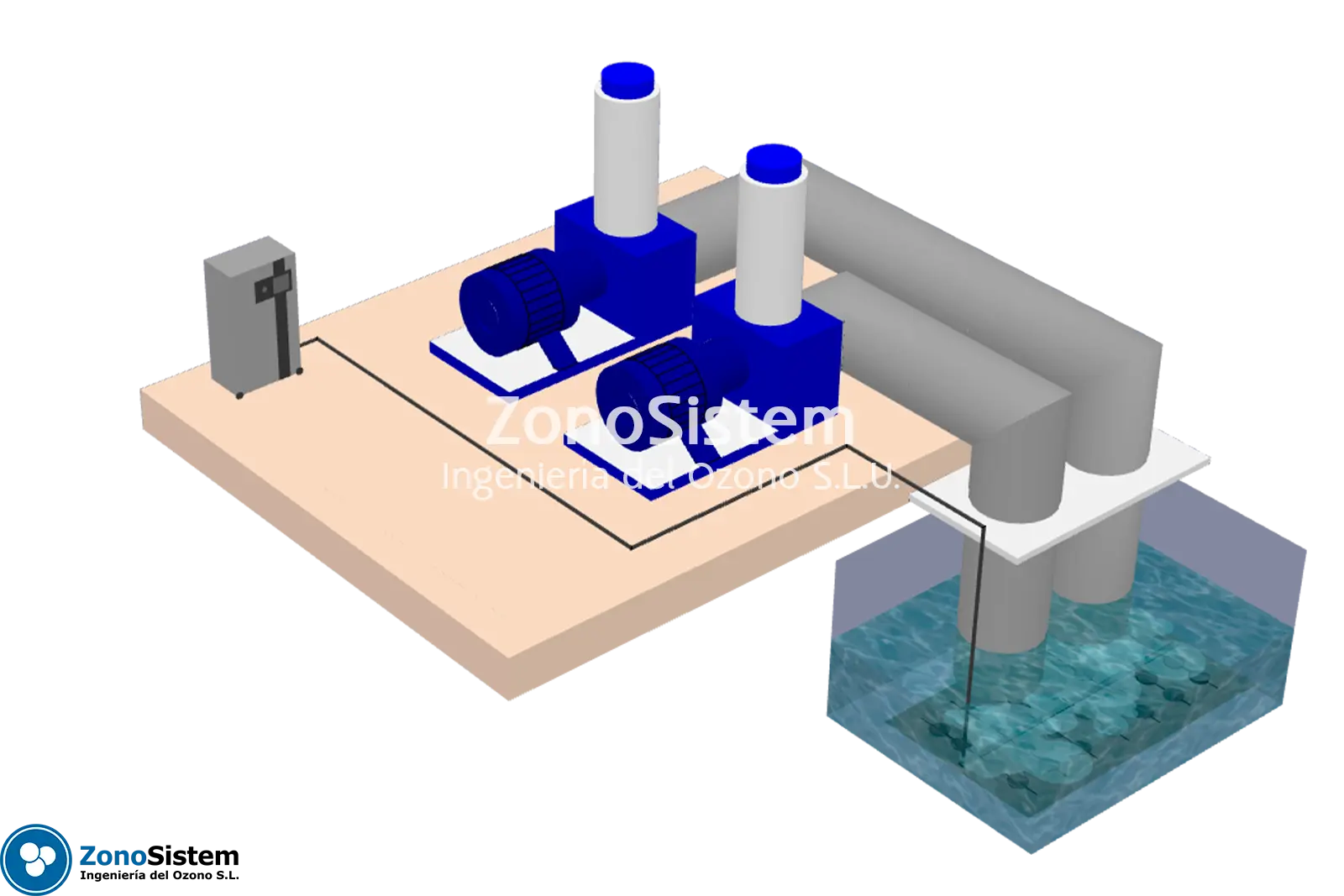
Deep ozonation by bubbling
This technique is the most efficient, as it improves water quality, reduces grease films on the water surface and reduces the precursors that generate hydrogen sulphide.
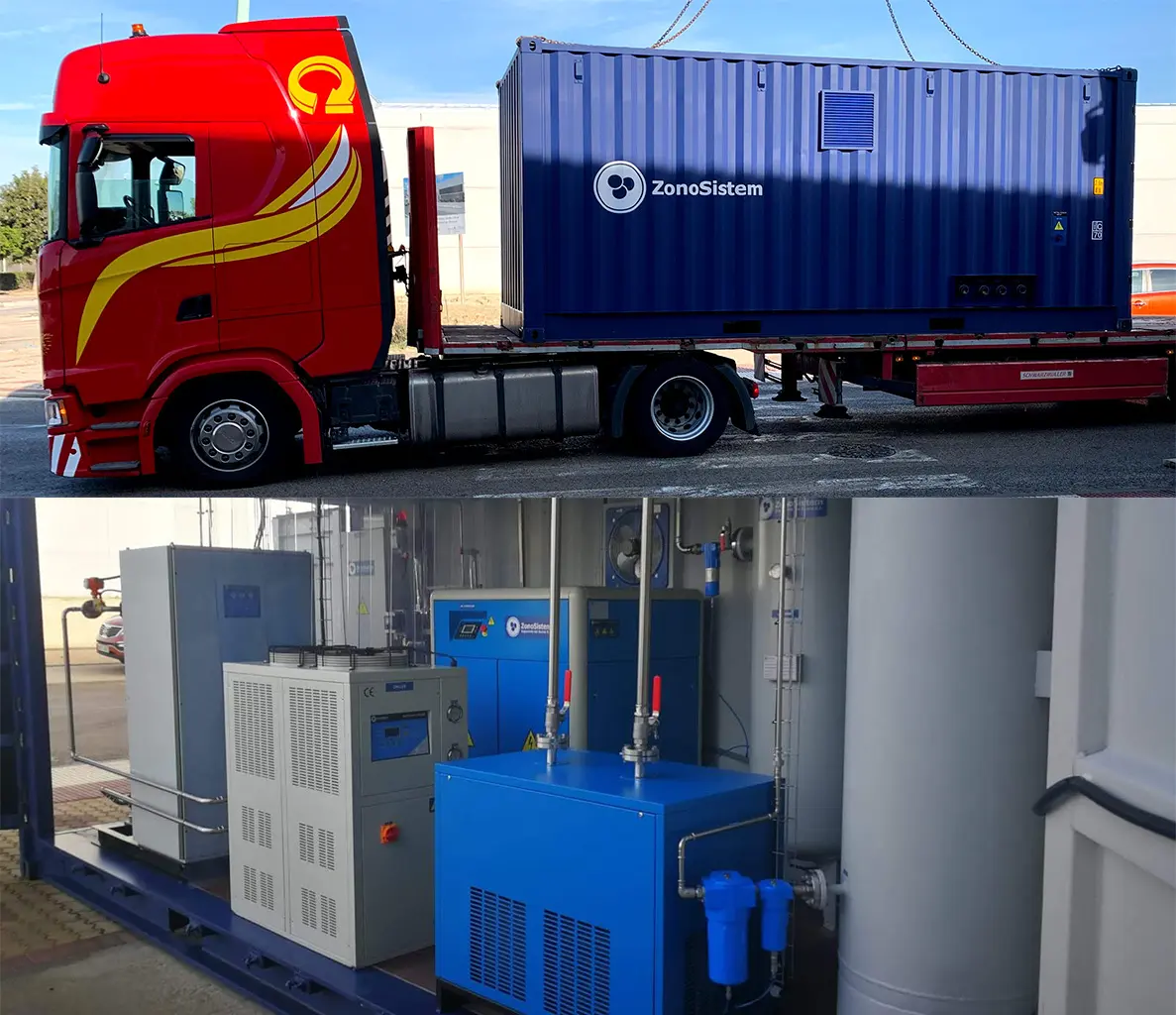
Turnkey Ozone Projects
We design, manufacture, install and maintain comprehensive ozone systems for wastewater pumping stations (Wastewater pumping stations). 20 years’ experience. We also offer complete containerised installation.
Contact us
Turnkey Ozone Projects
We design, manufacture, install and maintain comprehensive ozone systems for wastewater pumping stations (Wastewater pumping stations). 20 years’ experience. We also offer complete containerised installation.
Contact us
ZonoSistem case studies for Wastewater Pumping Station
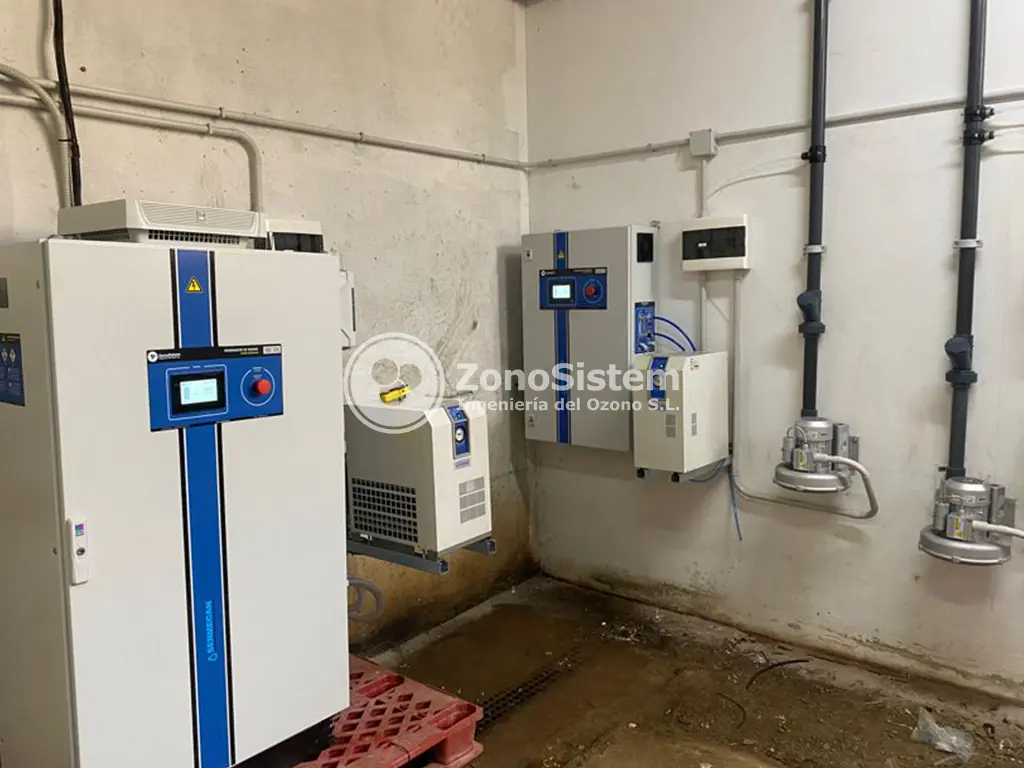
ZonoSistem case study: ozone treatment at the WWPS in a pumping well
Zonosistem is rolling out its deep ozone treatment technology for pumping wells in the Canary Islands.
Using high-capacity units, we ensure the immediate removal of odours and H₂S, guaranteeing healthy environments and protecting infrastructure against bacterial corrosion with maximum logistical efficiency.
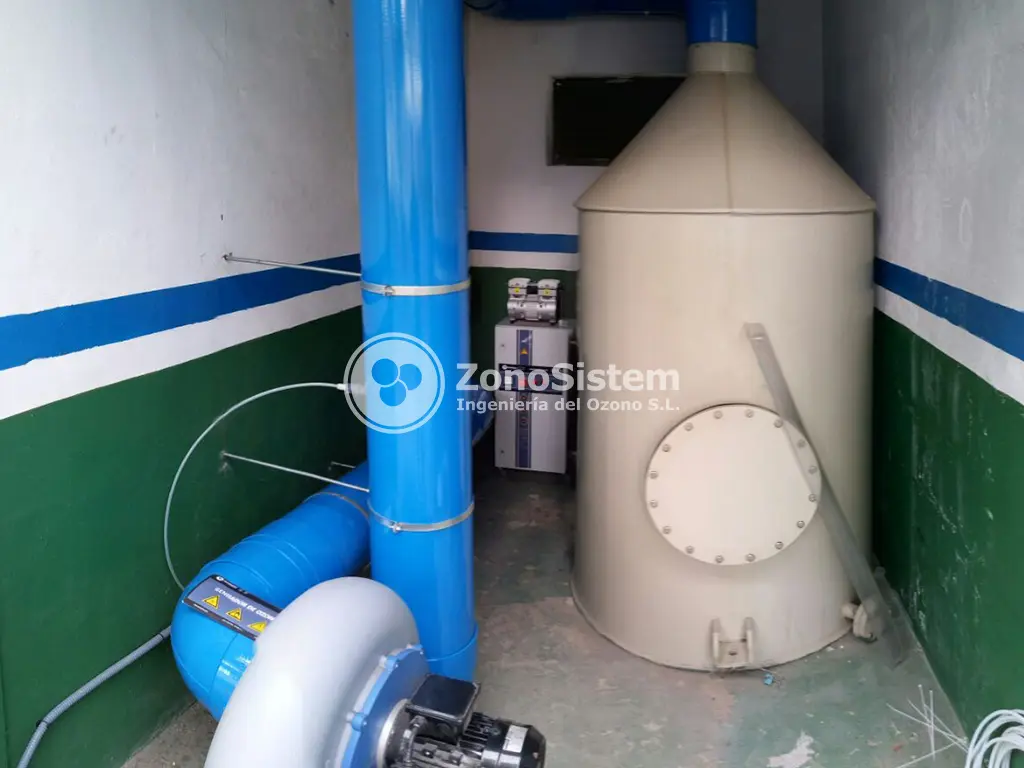
In-depth ozonation of wells feeding directly into an outfall. Canary Islands
This system features an ozonisation process that is injected directly into the gas extraction from the Wastewater pumping station. The air, which is laden with high concentrations of organic compounds and, in particular, hydrogen sulphide, is oxidised in the gas phase, thereby completely eliminating the odour. In this project, the activated carbon was removed from the deodorisation tower.
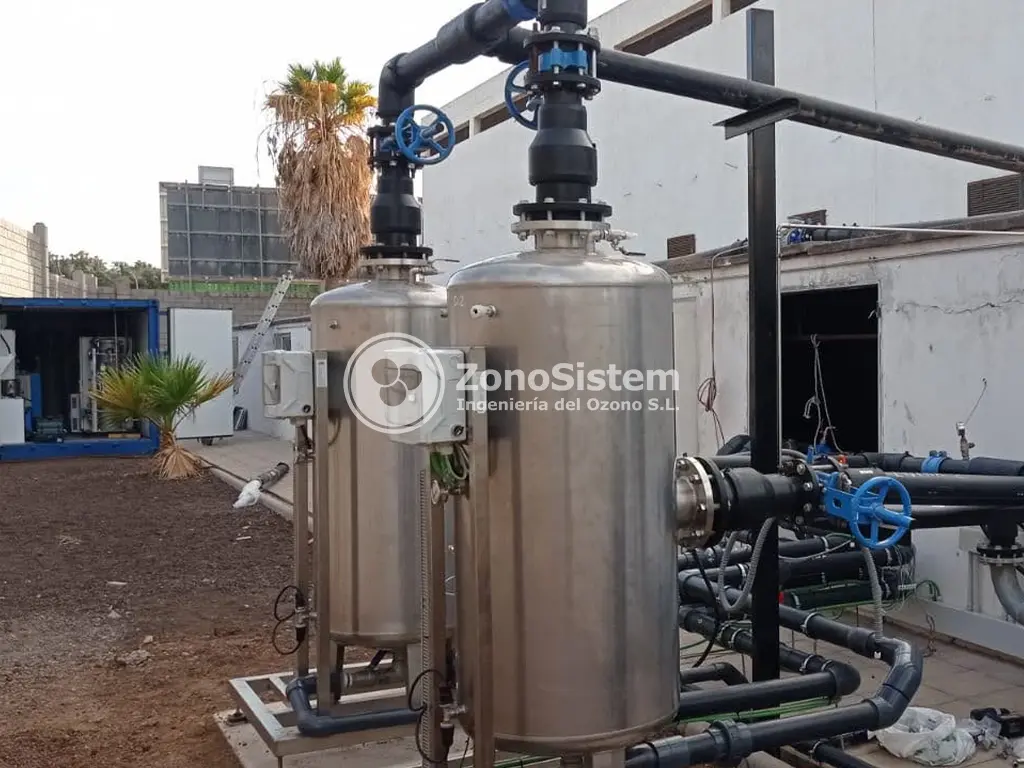
Direct ozonation to extraction towers. Canary Islands
Zonosistem optimises wastewater treatment in the Canary Islands through the deep ozonisation of pumping wells with direct discharge into an outfall.
Our technology eliminates H₂S and unpleasant odours at source, but most importantly, it is designed specifically to reduce COD, BOD, E. coli, dissolved solids and colour.
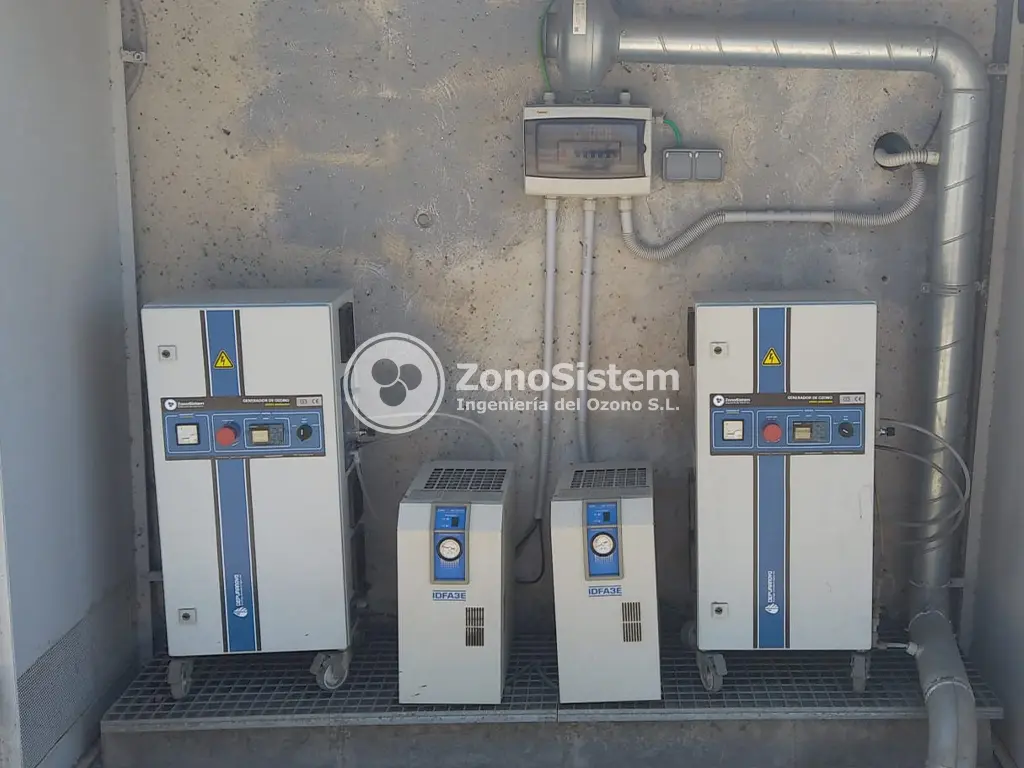
Thorough ozonisation of pumping wells along the seafront. Balearic Islands
Deep ozonisation in pumping wells eliminates odours and corrosive gases. By treating the air at source, the infrastructure and the wellbeing of tourists and residents are protected, ensuring a coastal environment free from nuisances without the use of chemical consumables.
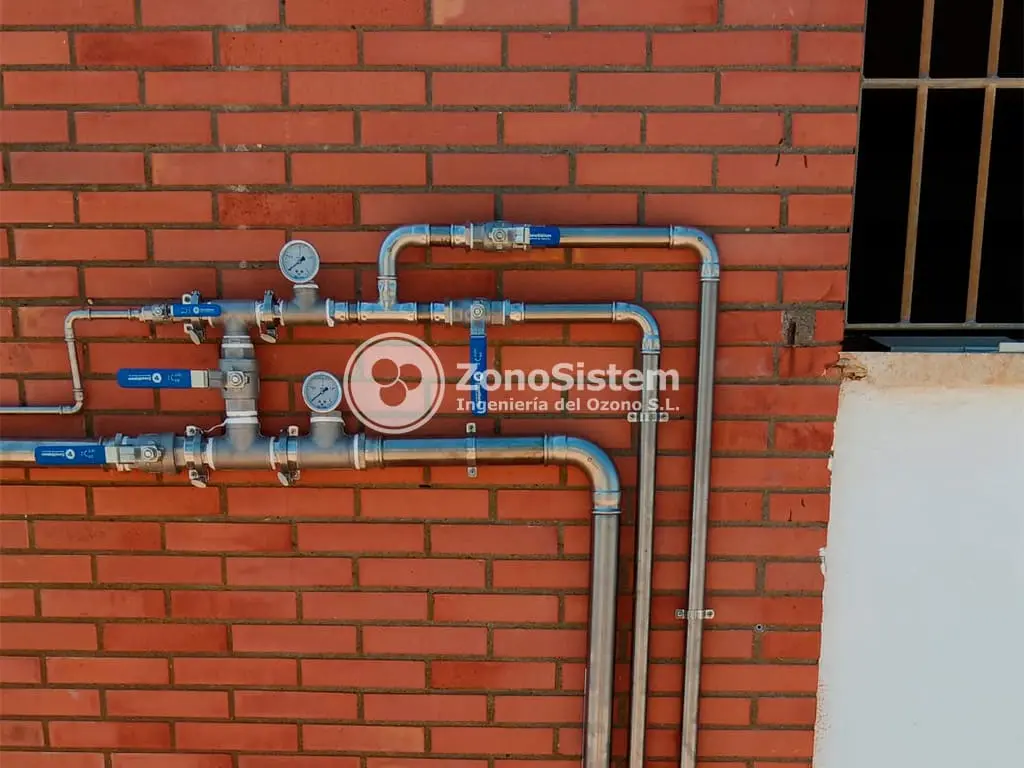
Wastewater pumping station ozonation in a pumping well, Estepona
ZonoSistem has designed an ozonation system for a wastewater pumping station experiencing odour problems caused by H₂S, due to its proximity to beach bars and hotels. The solution consists of a high-concentration ozone system (200 g/h) capable of injecting ozone at three points. The first point is in a deep aeration system; the second is a grid of titanium diffusers located at the bottom of the pump tank; and the third is a direct injection of ozone gas into the tank environment.
The aim is to investigate the effectiveness of the three ozonation methods in reducing H2S.
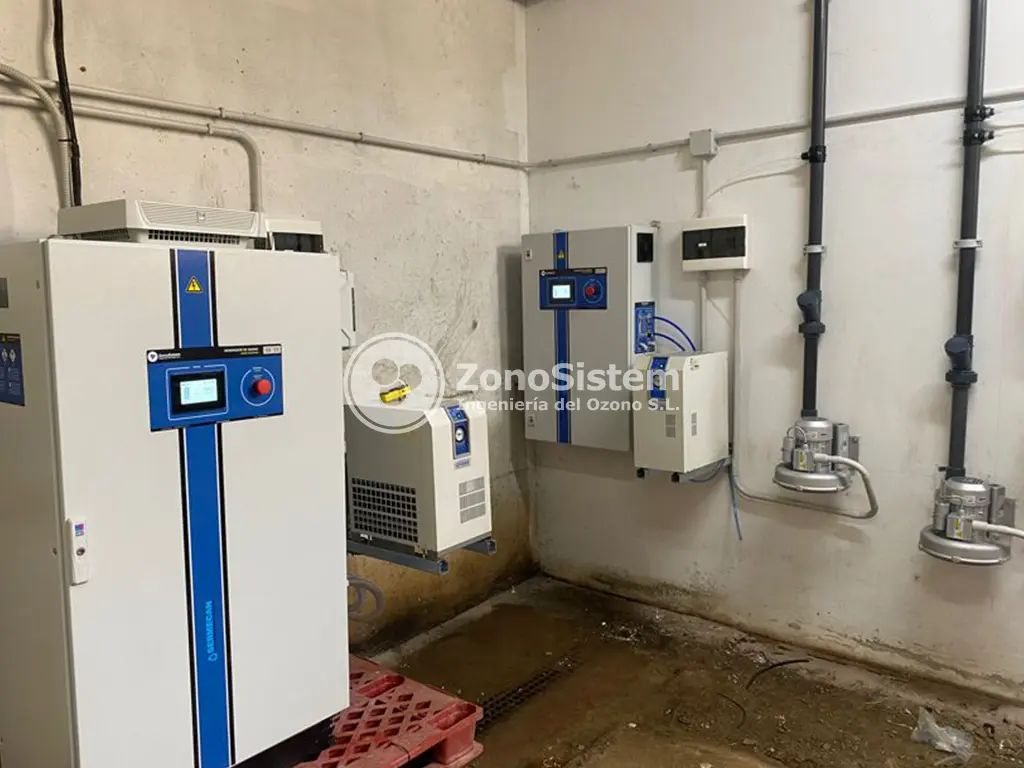
Deep ozonisation of pumping wells. Canary Islands
Zonosistem, together with its distributor, is rolling out its deep ozonation technology for pumping wells in the Canary Islands.
Using high-concentration units, we achieve the immediate removal of odours and H₂S, ensuring healthy environments and protecting infrastructure against bacterial corrosion with maximum logistical efficiency.
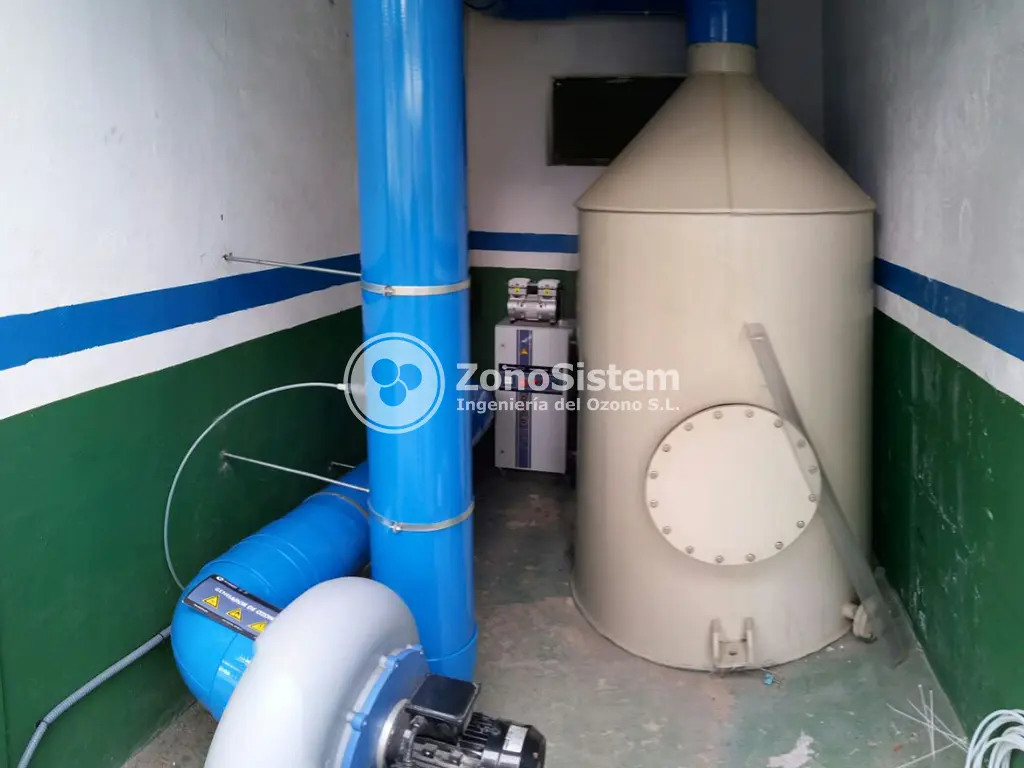
Direct ozonisation via an extraction flue. Canary Islands
This system features an ozonation process in which ozone is injected directly into the gas extraction system of the wastewater pumping station. The air, which is laden with high concentrations of organic compounds and, in particular, hydrogen sulphide, is oxidised in the gas phase, thereby completely eliminating the odour. In this project, the activated carbon was removed from the deodorisation tower.
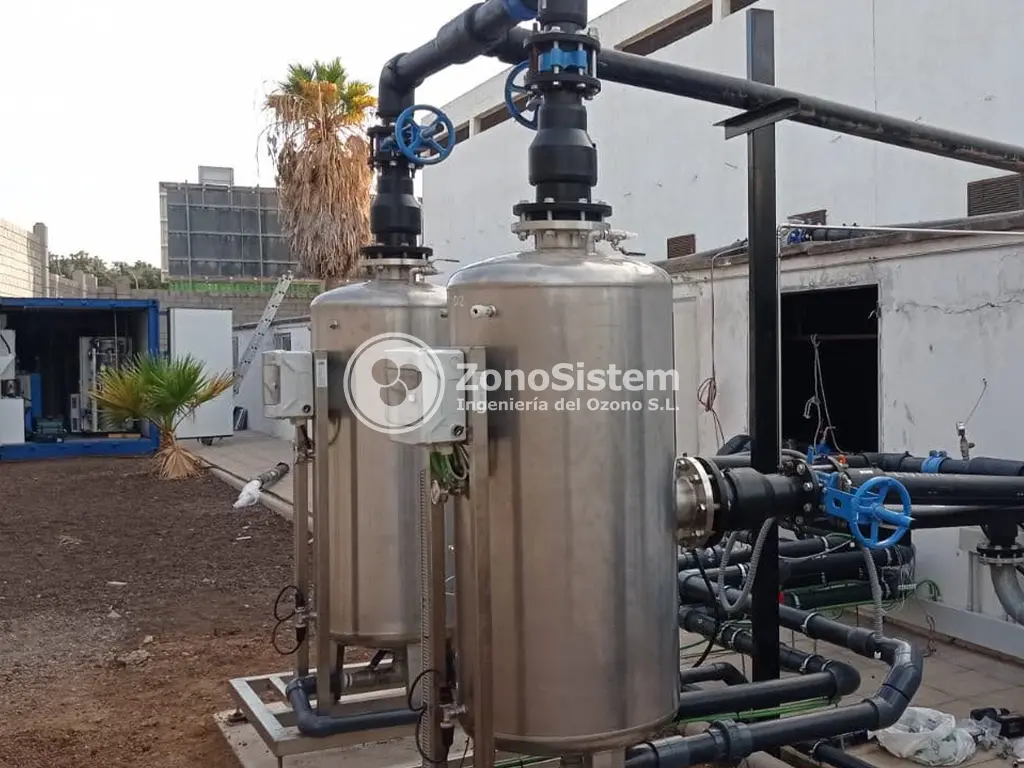
Direct ozonation of water at the wastewater pumping station. Canary Islands
Zonosistem optimises wastewater treatment in the Canary Islands through the in-depth ozonation of pumping wells with direct discharge into an outfall.
Our technology eliminates H₂S and unpleasant odours at source, but most importantly, it is designed specifically to reduce COD, BOD, E. coli, dissolved solids and colour.
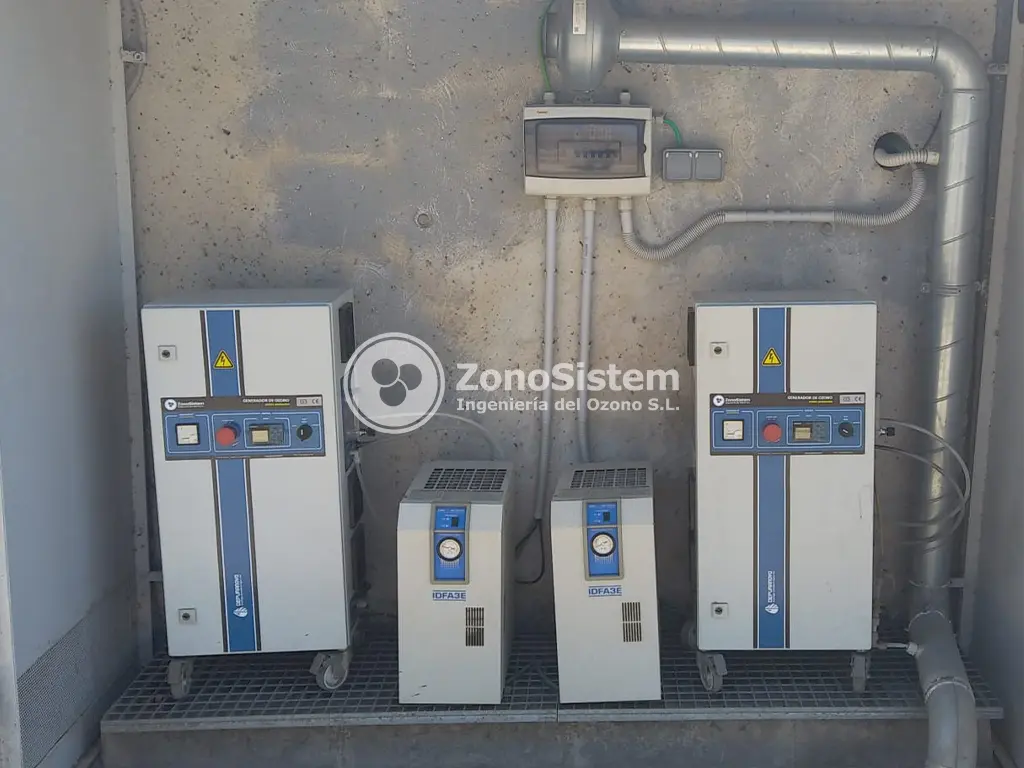
Direct ozonation via a chimney at the seafront pumping stations. Balearic Islands
Direct ozonisation at the extraction point in pumping stations eliminates odours and corrosive gases. By treating the air at source, the infrastructure and the wellbeing of tourists and residents are protected, ensuring a nuisance-free coastal environment without the use of chemical consumables.
Wastewater pumping station ozonation in a pumping well, Estepona.
ZonoSistem has designed an ozonation system for a wastewater pumping station experiencing odour problems caused by H₂S, due to its proximity to beach bars and hotels. The solution consists of a high-concentration ozone system (200 g/h) capable of injecting ozone at three points. The first point is in a deep aeration system; the second is a grid of titanium diffusers located at the bottom of the pumping tank; and the third is a direct injection of ozone gas into the tank’s environment.
The aim is to investigate the effectiveness of the three ozonation methods in reducing H2S.
Frequently asked questions about the use of ozone at WWPS
Ozone is used to control unpleasant odours and improve water quality at pumping stations where wastewater remains in conditions of low turnover. Its oxidising action helps to reduce compounds such as hydrogen sulphide (H₂S), which are responsible for unpleasant odours and corrosion problems in plant.
Yes. By oxidising reducing compounds such as H₂S, ozone reduces the formation of sulphuric acid, the main cause of corrosion in pipes, wells and equipment. This helps to extend the service life of infrastructure and reduce maintenance and repair costs.
Ozone enables odours to be treated directly at source, both in the gaseous phase and in water, with a high degree of efficiency. It is generated on site, eliminating the need to store chemicals, and leaves no persistent residues. Furthermore, it can be easily integrated into existing systems, providing an efficient, sustainable and low-maintenance solution.
Do you require a quote?