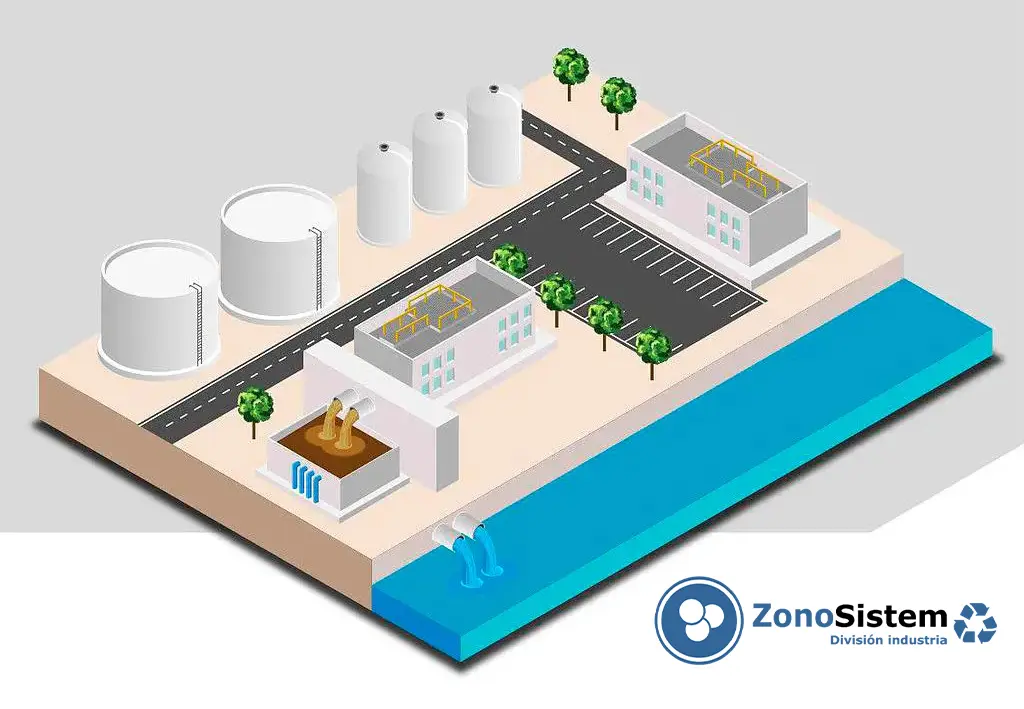
Use of ozone in industrial WWTP
Industrial Wastewater Treatment Plant.
Industrial wastewater contains a wide variety of pollutants depending on its source and the type of industry, which can sometimes make it very complex to treat in order to comply with current discharge regulations. Ozone is a well-established technology in WWTPs, as it enables complex problems to be solved very simply.
Pre-oxidation of the effluent prior to biological treatment, to improve the BOD/COD ratio. Tertiary treatment for reuse, for reuse by industry. Final treatment prior to discharge.
Ozone’s powerful oxidising capacity makes it an excellent tool for use at any of these stages.
ZonoSistem advises detailed engineering firms on the drafting of project specifications, as well as designing and manufacturing the ozone generators for the actual project.
Ozone Generators for Industrial WWTPs
To reduce COD, BOD, suspended solids, dissolved solids, turbidity, colour and odour, carry out an ozone water treatment trial in our laboratory.
Chemical-free treatment. Ozone tackles the root cause of the problem.
Ozone is generated on-site; there is no need to store or transport chemicals
Ozone leaves no residue, does not alter the recipe and reduces waste
The system is automated; no manual labour is required to operate it
Are you experiencing problems with wastewater in your industry?
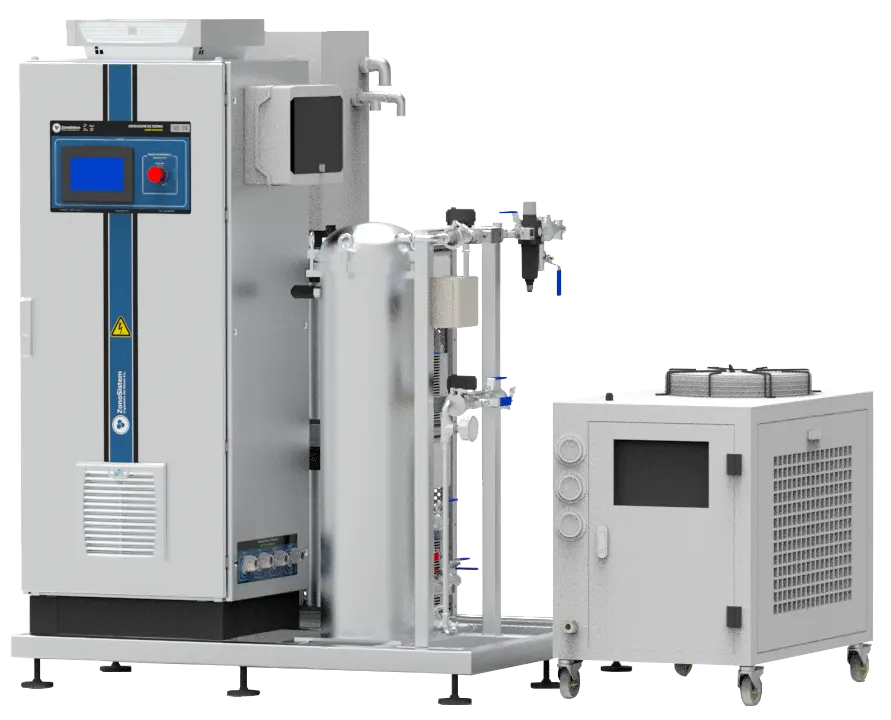
Optimise the performance of your EDARI with ozone technology, the advanced oxidation solution for the most demanding industrial effluents. This system enables a drastic reduction in COD and BOD, breaking down even the most recalcitrant molecules that biological processes are unable to treat, thereby ensuring strict compliance with discharge parameters.
Our technology effectively eliminates problems relating to colour and turbidity by acting on pigments and colloidal particles to reduce suspended solids (SS) and dissolved solids (DS). The result is a clarified effluent that enables a drastic reduction in discharge charges and helps avoid penalties, transforming a critical operating cost into a direct saving for your company.
By improving the overall performance of the treatment plant, ozone becomes the driving force behind the circular economy at your facility. As it does not produce any toxic chemical by-products, it facilitates the reuse of water for cooling towers, cleaning or irrigation. Move from managing waste to recovering a valuable resource, optimising your water footprint and your profitability.
Ozone injection points in industrial WWTP and objectives
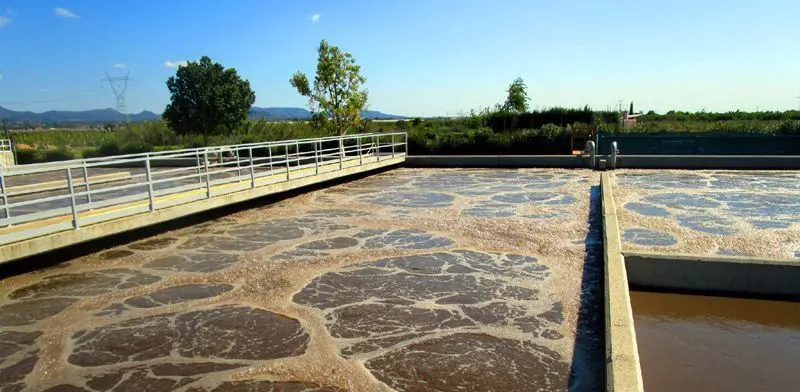
Pre-treatment prior to biological treatment
Industrial wastewater varies greatly, depending on the sector and the manufacturing process. Unlike urban wastewater, the composition of the wastewater received by the industrial wastewater treatment plant (EDARI) is highly variable and unstable, with fluctuations in flow rate, temperature and pollutant levels. Ozone is the solution for pre-oxidation prior to the biological treatment stage, as it removes pollutants such as detergents, reduces organic matter, pre-oxidises recalcitrant substances and, above all, improves the COD/BOD ratio, making the water more biodegradable.
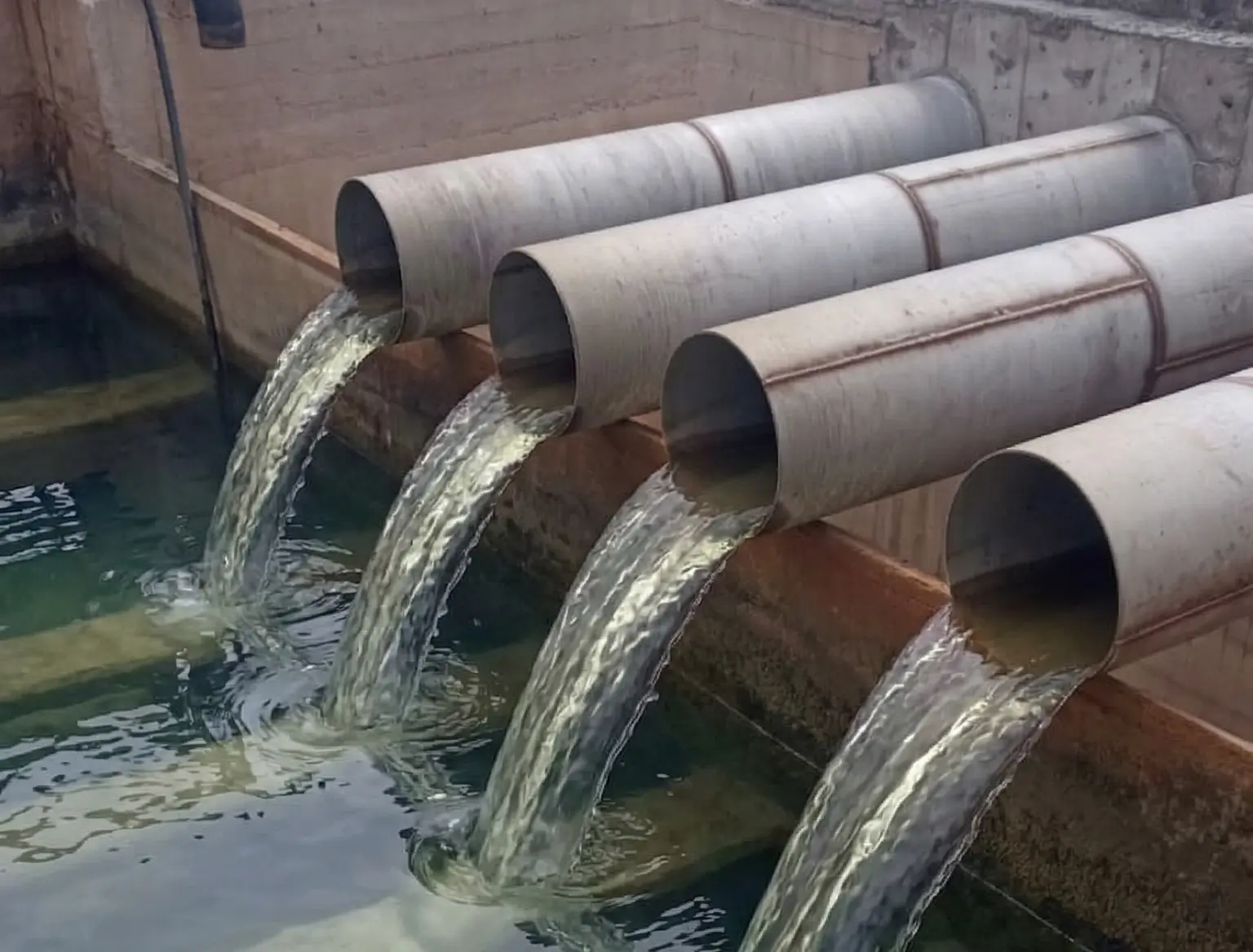
Postratamiento de afino
If the biological treatment is functioning correctly and no pre-treatment is required, but the discharge value is very high due to the initial composition of the effluent, ozone can be used as a final treatment to reduce colour, turbidity and the final COD. This results in a reduction in the discharge charge or even compliance with discharge parameters.
Reuse
The industrial WWTP may function perfectly well, but the reuse of water for industrial processes is worth considering. The new Royal Decree 1085/2024 sets out the basic regulations governing water management; it permits the reuse of wastewater in various applications, and ozone is the ideal technology for achieving these parameters.
No manual labour, fully automatic
The system automatically generates and injects ozone into the tank, without the need for manual labour. It simply needs to be connected to the tank and a power socket.
No storage of chemicals
Ozone is generated on-site and applied immediately, so it does not require the storage or handling of chemicals, eliminates the need for transport and reduces the carbon footprint.
Biocidal product recognised by ECHA
Ozone is included on the European Chemicals Agency’s (ECHA) list of biocides, and ZonoSistem holds all the necessary documentation for its proper authorisation and use
Turnkey Ozone Projects
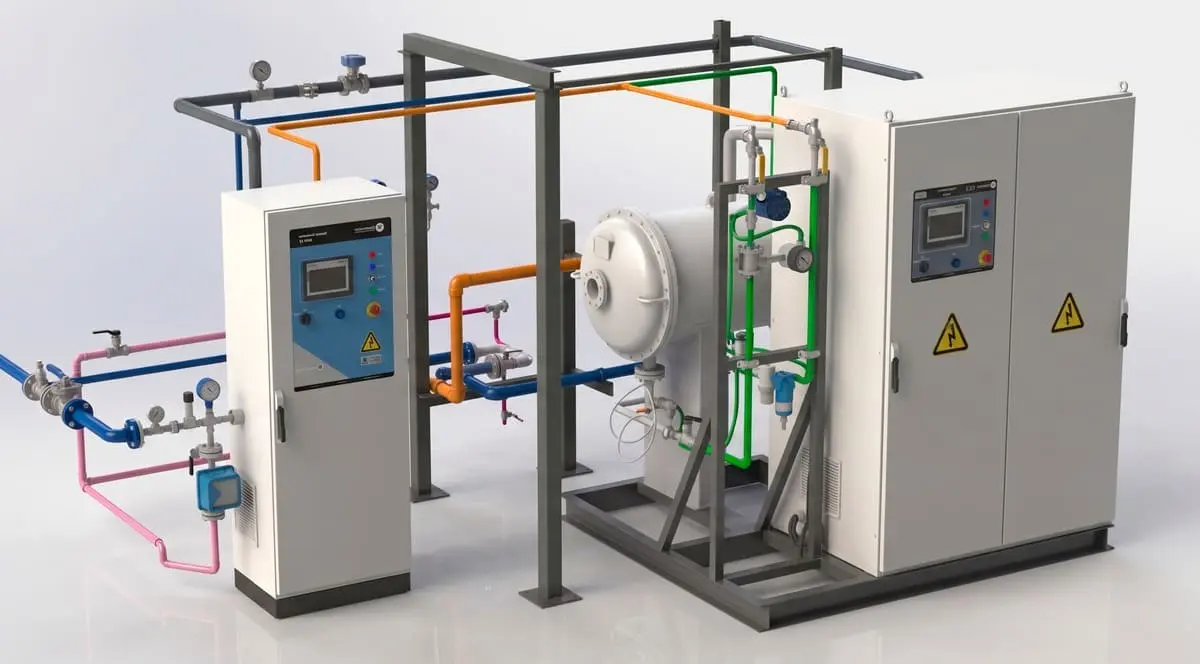
We design, manufacture, install and maintain comprehensive ozone systems for wastewater treatment at EDARI. We test the application in the laboratory beforehand. With 20 years’ experience, put yourself in expert hands.
Contact us
Turnkey Ozone Projects
We design, manufacture, install and maintain comprehensive ozone systems for wastewater treatment at EDARI. We test the application in the laboratory beforehand. With 20 years’ experience, put yourself in expert hands.
Contact us
ZonoSistem case studies in industrial WWTPs
Industrial chemical discharge outlet
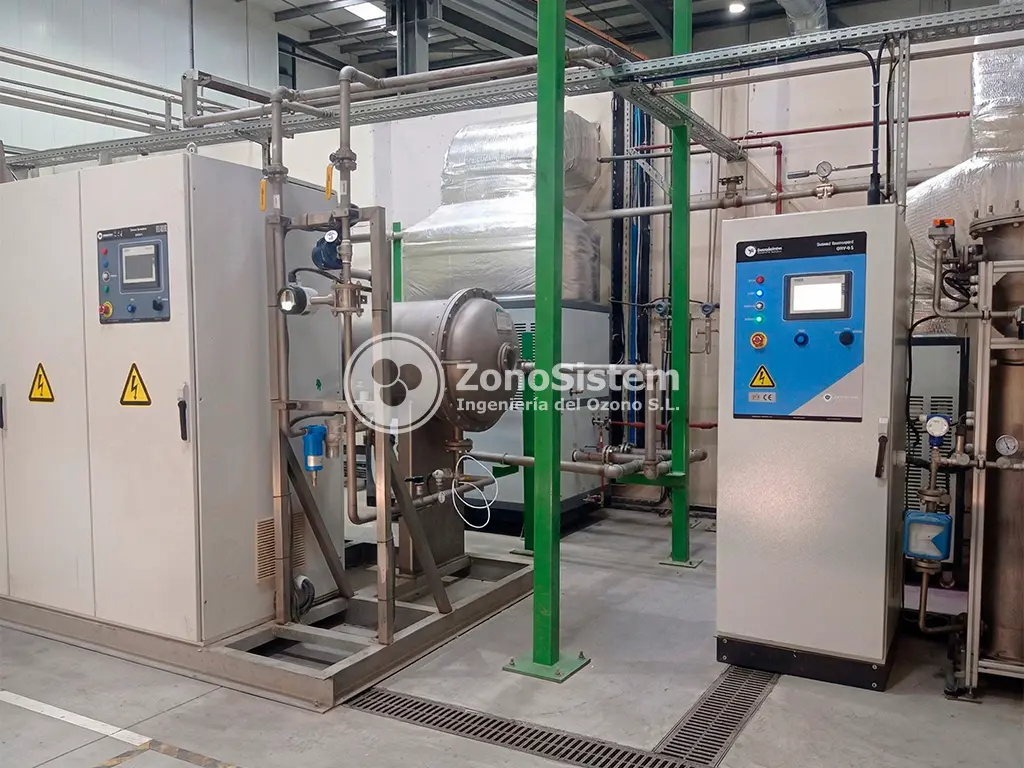
The deployment of a Zonosistem ozonation system for the final treatment of effluent at a chemical plant has taken place. The technology breaks down recalcitrant COD and removes traces of organic pollutants that biological systems are unable to process, ensuring strict compliance with discharge parameters.
Otimizado para descarga no DPH, redução da DQO
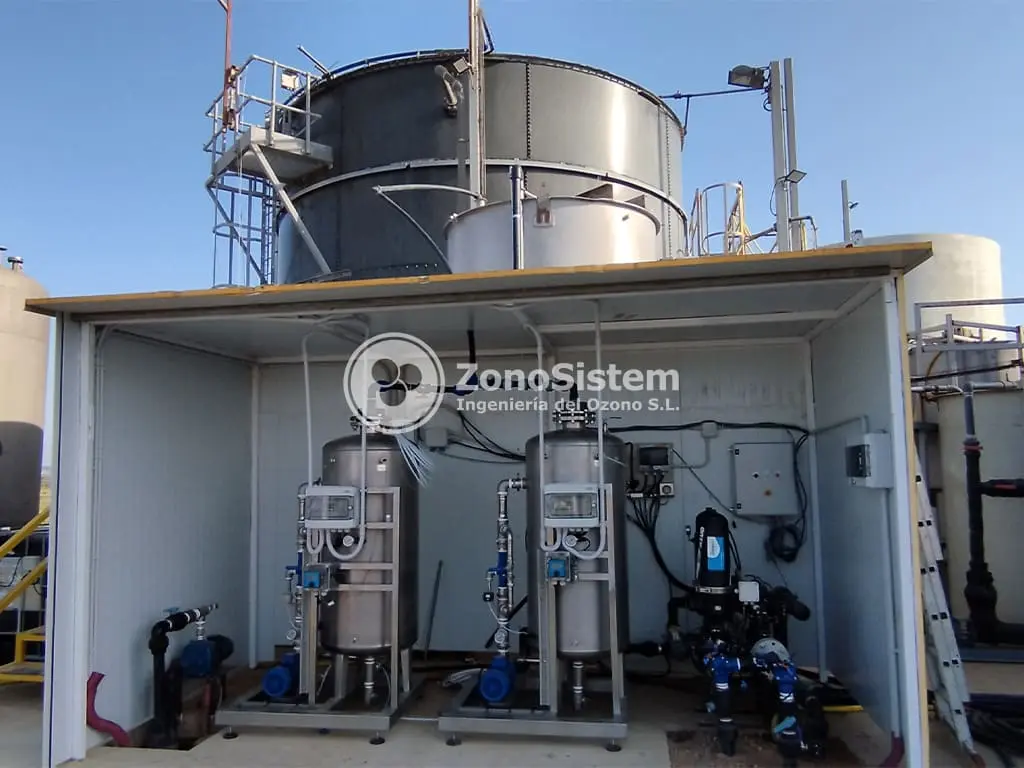
The deployment of a Zonosistem ozonation system has taken place to treat biodiesel effluent, targeting recalcitrant COD and residual methanol or glycerines. The technology breaks down compounds that biological systems are unable to process, ensuring compliance with discharge parameters.
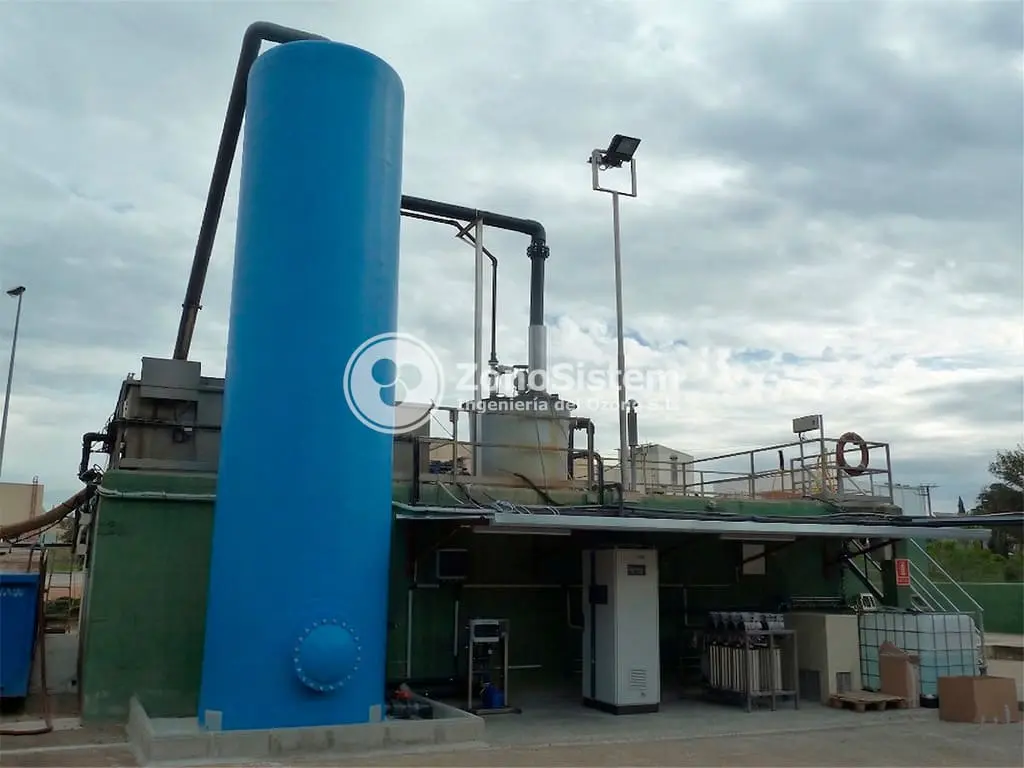
Biological pre-oxidation
This project involves pre-oxidation with ozone prior to the biological stage of a DWTP, with the aim of eliminating toxicity and controlling filamentous bacteria. The technology breaks down complex compounds, increasing the biodegradability of the effluent and protecting the plant’s biomass.
This solution ensures the stability of discharge parameters and achieves a drastic reduction in operational sludge.
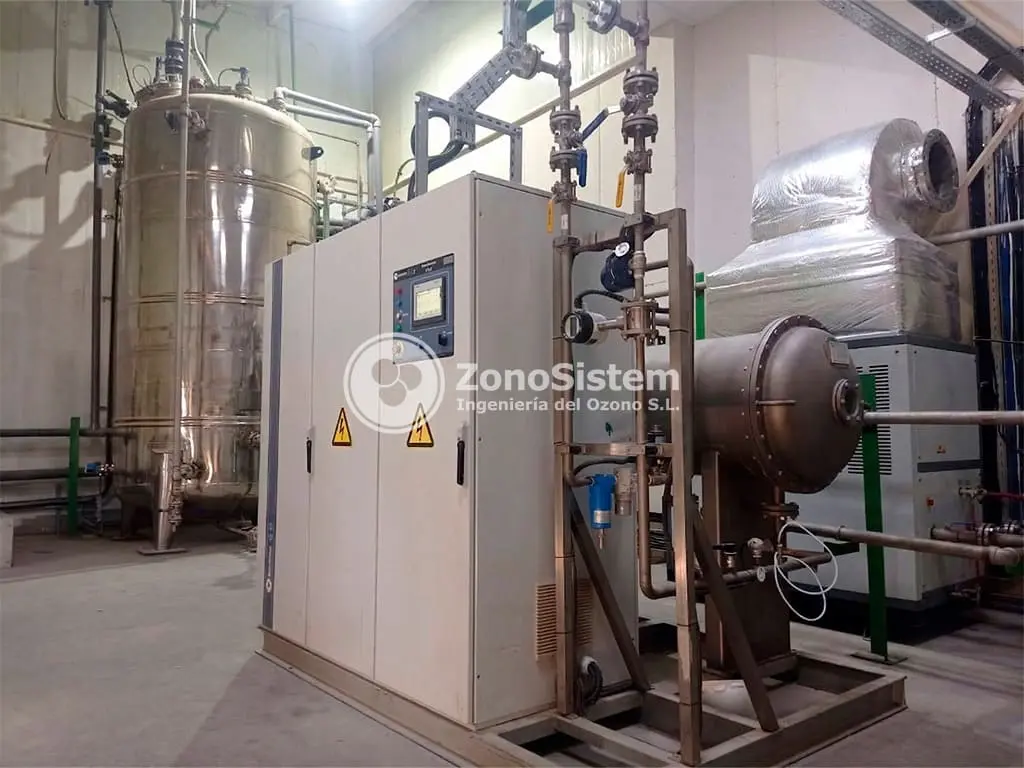
Biological pre-oxidation. Petrochemicals
This project proposes the incorporation of an ozonation system as a pre-treatment stage at the wastewater treatment plant of a petrochemical plant, designed to treat effluents from spent caustic washing processes. These effluents are characterised by a high organic load (refractory COD), sulphur compounds (sulphides, mercaptans), phenols and other pollutants that are difficult to degrade biologically, as well as a high pH and a strong odour. The project includes a 4.5 kg/h generator fuelled by LOX.
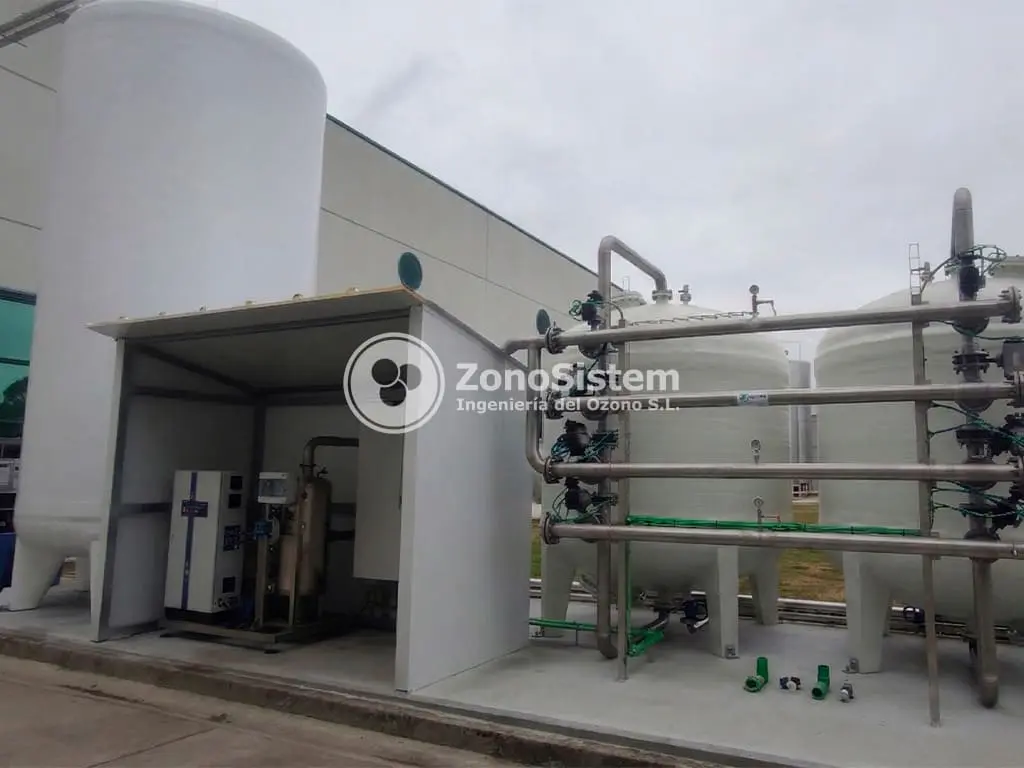
Recycling. Cheese industry
ZonoSistem supplies an ozone system for the reuse of water in the cheese-making industry. The aim is to reuse whey, reducing COD prior to final treatment with activated carbon and reverse osmosis. To this end, a compact system comprising pressurised ozonation and injection into the recirculation loop has been employed.
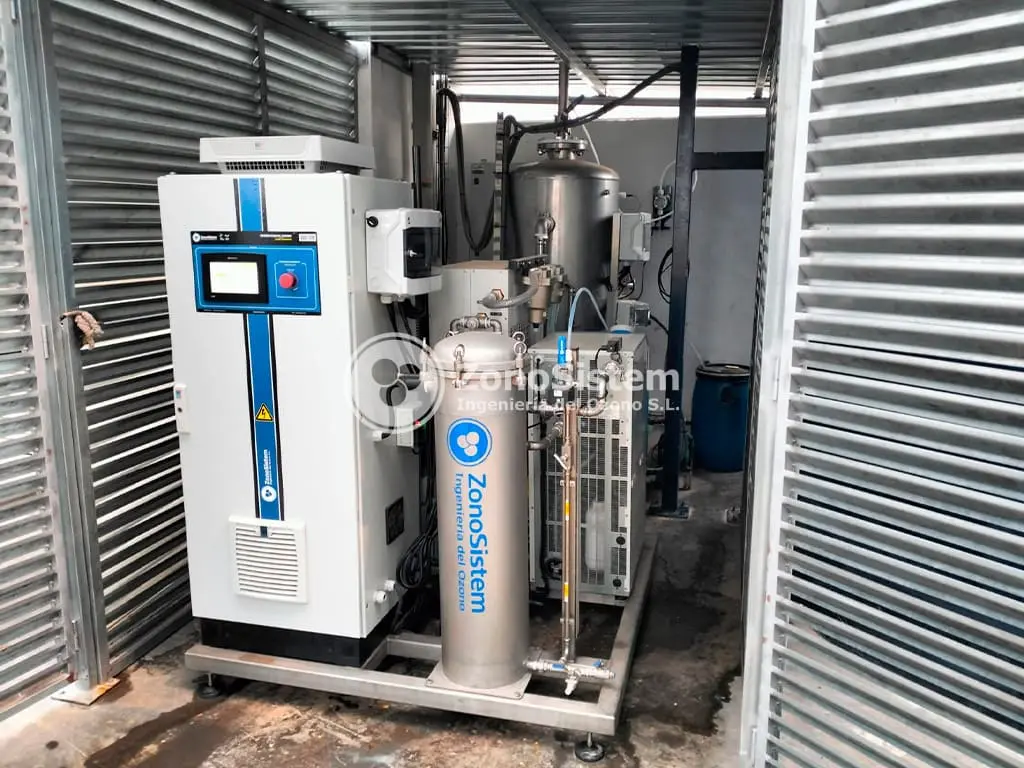
Pour spout. Industrial WWTP Cosmetics
The cosmetics industry is characterised by effluent containing spikes of surfactants, which can cause destabilisation in the biological treatment process or spikes in the effluent. Ozone is a highly effective solution for oxidising detergents during the final treatment stage prior to final discharge.
For this project, the deployment of a compact ozone generation system with a capacity of 500 g/h has taken place, with the ozone injected into the recirculation tank.
Industrial chemical effluent treatment. COD reduction
The deployment of a Zonosistem ozone treatment system for the final treatment of effluent at a chemical plant has taken place. The technology enables the degradation of recalcitrant COD and the removal of traces of organic pollutants that biological systems are unable to process, ensuring strict compliance with discharge parameters. To this end, an ozone system with a production capacity of 5 kg/h, powered by an industrial PSA unit, is used.
Otimizado para descarga no DPH, redução da DQO
The deployment of a Zonosistem ozonation system has taken place to treat biodiesel effluent, targeting recalcitrant COD and residual methanol or glycerines. The technology breaks down compounds that biological systems are unable to process, ensuring compliance with discharge parameters. The solution incorporates a 1,000 g/h ozone system that injects ozone into two pressurised injection units.
Biological pre-oxidation in the food industry.
This project involves pre-oxidation with ozone prior to the biological stage of a DWTP, with the aim of eliminating toxicity and controlling filamentous bacteria. The technology breaks down complex compounds, thereby increasing the biodegradability of the effluent and protecting the plant’s biomass.
This solution ensures the stability of discharge parameters and achieves a drastic reduction in operational sludge. The solution features a vertical contact tank where ozone is applied before the effluent enters the biological treatment system.
Biological pre-oxidation. Petrochemicals
This project proposes the incorporation of an ozonation system as a pre-treatment stage at the wastewater treatment plant of a petrochemical plant, designed to treat effluents from spent caustic washing processes.
These effluents are characterised by high levels of organic matter (refractory COD), sulphur compounds (sulphides, mercaptans), phenols and other pollutants that are difficult to degrade biologically, as well as a high pH and a strong odour. The project includes a 4.5 kg/h generator fuelled by LOX.
Recycling. Cheese industry
ZonoSistem supplies an ozone system for the reuse of water in the cheese-making industry. The aim is to reuse whey, reducing COD, prior to final treatment with activated carbon and reverse osmosis. To this end, a compact system comprising pressurised ozonation and injection into the recirculation loop has been employed.
Fine-tuning the formulation of surfactants. Industrial WWTP Cosmetics
The cosmetics industry is characterised by effluents containing peaks of surfactants, which can cause destabilisation in the biological treatment process or result in peaks in the effluent. Ozone is an effective solution for oxidising detergents during the final treatment stage prior to final discharge.
For this project, the deployment of a compact ozone generation system with a capacity of 500 g/h has taken place, with the ozone injected into the recirculation tank.
Frequently Asked Questions on the Use of Ozone in Industrial WWTPs
Ozone is particularly effective at breaking down refractory compounds – that is, substances that are not biodegradable. These include phenols, cyanides, synthetic dyes, heavy metals and hydrocarbon residues, transforming them into simpler molecules or eliminating them entirely.
The use of ozone in the pre-treatment stage of a industrial helps to reduce sludge production because it partially oxidises the organic matter before it enters the biological treatment process, converting it into simpler compounds or even CO₂. This reduces the amount of substrate available for bacterial growth, thereby reducing biomass production. Furthermore, ozone removes toxic and inhibitory compounds, which improves the efficiency of the biological process and prevents the formation of excessive or unstable sludge. As a result, overall sludge production is reduced and the plant operates more efficiently.
Yes, it is one of its greatest advantages. Ozone leaves the water with very low levels of COD (Chemical Oxygen Demand) and free from pathogens, allowing it to be recirculated in cooling towers, for cleaning facilities or in manufacturing processes, thereby promoting the circular economy within the company.