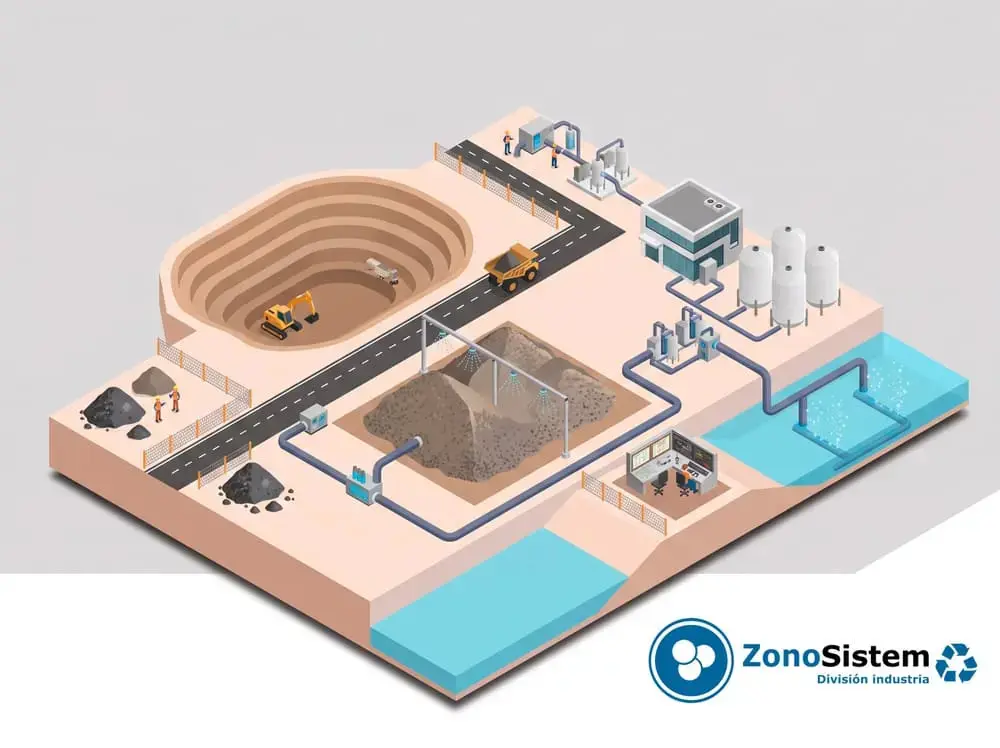
Use of Ozone in Mining
In the mining industry, the quality of the final concentrate directly determines its commercial value. The presence of impurities such as arsenic, iron or residual organic compounds can result in significant financial penalties and reduce the overall efficiency of the process.
In this context, ozone (O₃) is recognised as an advanced oxidation technology capable of improving flotation selectivity, eliminating residual reagents and facilitating the conversion of metals into forms that are more easily separable. Its application makes it possible to optimise the process chemistry, reduce interference and move towards a more stable and efficient operation that is in line with the sector’s current requirements.
Ozone is undoubtedly the solution.
Ozone generators for the mining industry
Advanced solutions for process optimisation and impurity removal
Ozone reduces the consumption of traditional oxidising agents.
Ozone is generated on-site; there is no need to store or transport chemicals
Ozone leaves no residue and speeds up the removal of heavy metals.
The system is automated; no manpower is required to operate it
Why use ozone in the mining sector?
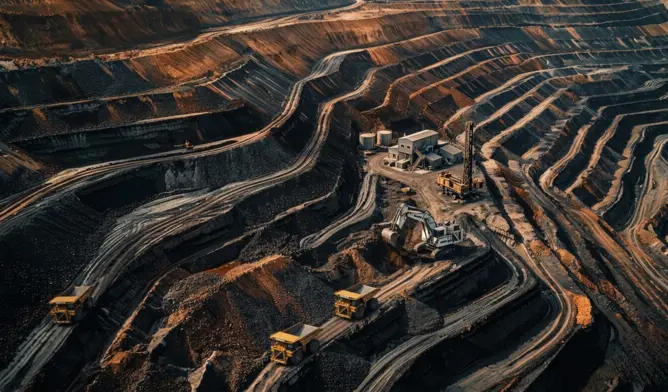
The contaminants present in mining processes originate at different stages, and their accumulation has a direct impact on performance. On the one hand, the ore itself contains complex sulphides such as pyrite (FeS₂), arsenopyrite (FeAsS) and galena (PbS), as well as structural impurities such as arsenic, iron and other trace metals, which are difficult to separate completely in the early stages. During flotation, reagents such as collectors (xanthates, dithiophosphates) and frothers (MIBC, glycols) are added; some of these are adsorbed onto the particles or dissolved in the process water, generating persistent organic residues that adversely affect subsequent stages.
Furthermore, in water recirculation circuits, there is a gradual build-up of organic matter (COD), dissolved metals and degradation products of reagents, which alters the chemical conditions of the system and reduces the selectivity of the flotation process. In this scenario, ozone acts as a highly effective oxidant, capable of degrading these organic compounds, reducing the pollutant load and transforming metal species, thereby facilitating their subsequent removal using conventional processes. Its application enables control over the process chemistry to be regained, improves separation efficiency and ensures a higher quality of the final concentrate.
The contaminants present in mining processes originate at different stages, and their accumulation has a direct impact on performance. On the one hand, the ore itself contains complex sulphides such as pyrite (FeS₂), arsenopyrite (FeAsS) and galena (PbS), as well as structural impurities such as arsenic, iron and other trace metals, which are difficult to separate completely in the early stages. During flotation, reagents such as collectors (xanthates, dithiophosphates) and frothers (MIBC, glycols) are added; some of these are adsorbed onto the particles or dissolved in the process water, generating persistent organic residues that adversely affect subsequent stages.
Furthermore, in water recirculation circuits, there is a gradual build-up of organic matter (COD), dissolved metals and degradation products of reagents, which alters the chemical conditions of the system and reduces the selectivity of the flotation process. In this scenario, ozone acts as a highly effective oxidant, capable of degrading these organic compounds, reducing the pollutant load and transforming metal species, thereby facilitating their subsequent removal using conventional processes. Its application enables control over the process chemistry to be regained, improves separation efficiency and ensures a higher quality of the final concentrate.
Advantages of ozone in mining
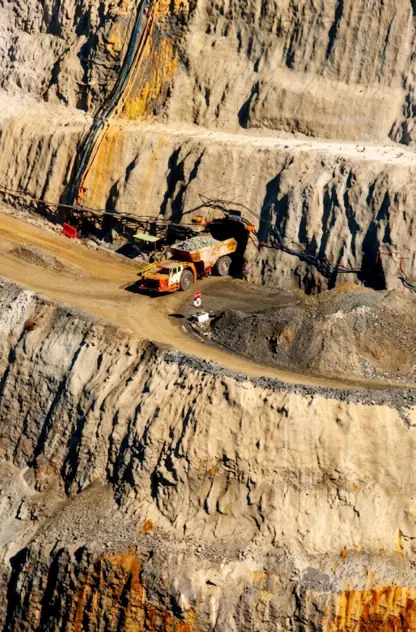
Improves flotation selectivity
It reduces chemical interference and enables more efficient separations. It oxidises the surface of minerals (sulphides).
It improves selectivity between valuable ore and waste rock, resulting in better recovery and a higher grade of concentrate.
Reduces the organic load
It improves the quality of the recirculated water and stabilises the process. It oxidises COD, turbidity, suspended solids, etc.
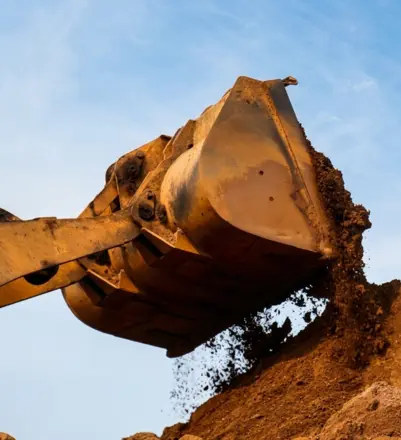
Removes residual reagents
It breaks down collectors and foaming agents (xanthates, MIBC, etc.) that have accumulated during the process.
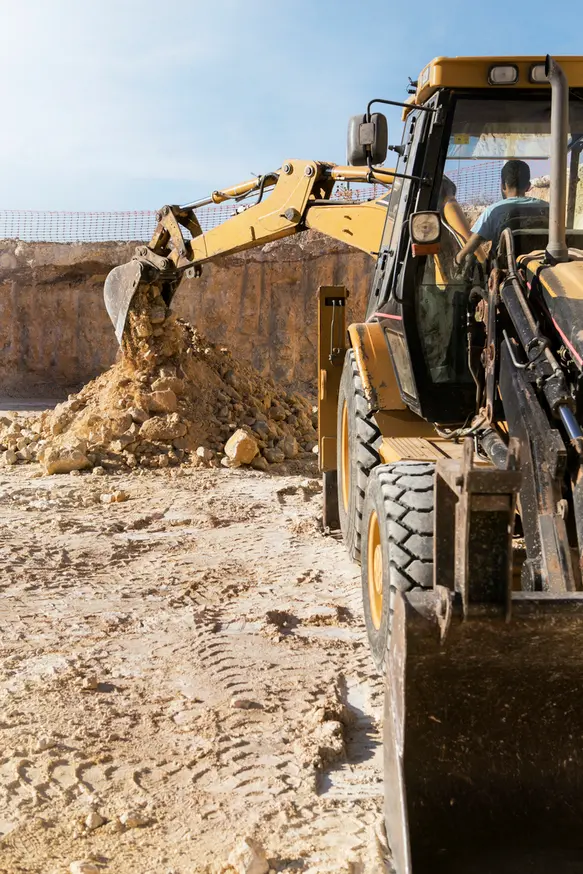
It transforms metals and sulphides
It facilitates their subsequent removal by filtration or precipitation.
ZonoSistem Solutions
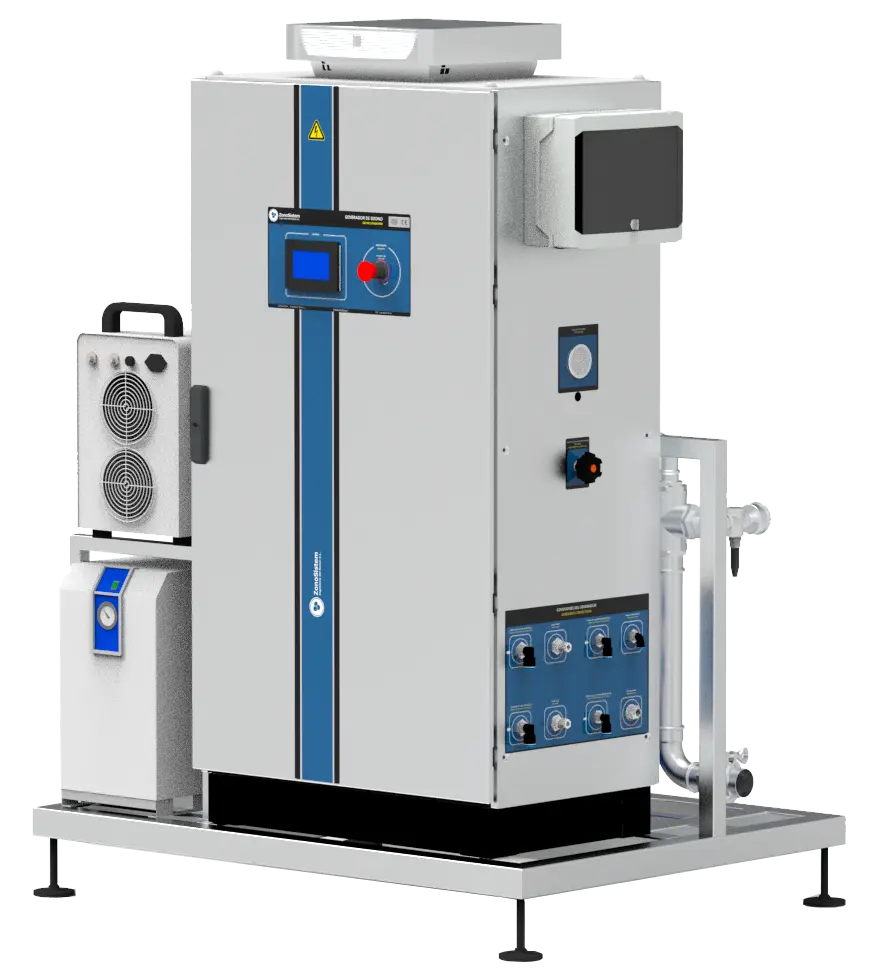
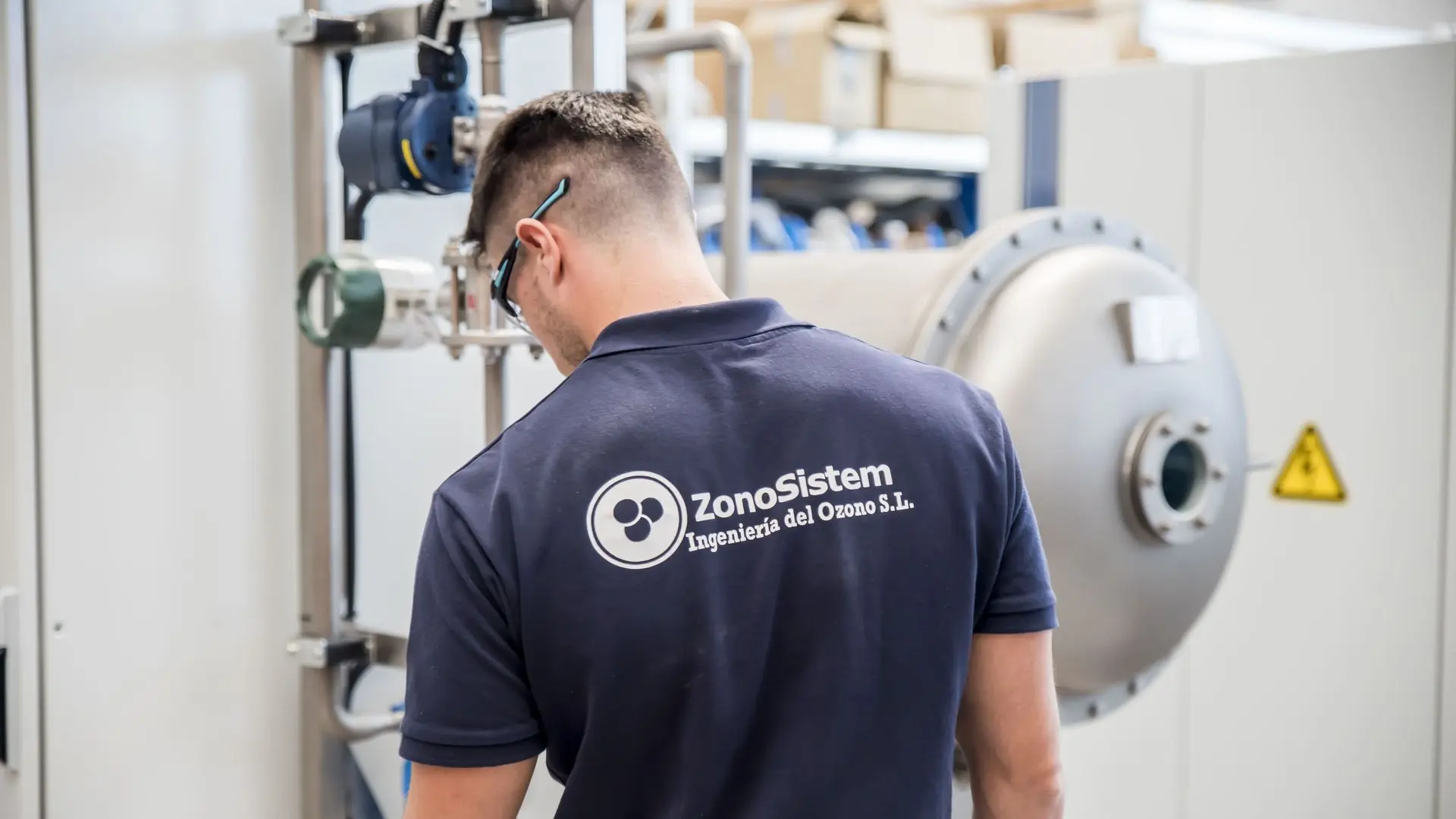
ZonoSistem designs complete ozone systems, including generators, oxygen supply and production systems, and systems for controlling, measuring and distributing ozone. Injection and contact systems. Get in touch with our experts.
Contact us
ZonoSistem Solutions
ZonoSistem designs complete ozone systems, including generators, oxygen supply and production systems, and systems for controlling, measuring and distributing ozone. Injection and contact systems. Get in touch with our experts.
Contact us
Frequently Asked Questions about the Use of Ozone in Mining
Ozone is a strong oxidant (2.07 V) that does not produce toxic by-products or increase water salinity (SDT), unlike chlorine or peroxide. As it is produced in situ, it eliminates the costs and logistical risks associated with transporting hazardous chemicals to remote areas, whilst also facilitating water recirculation in the mining process.
Yes. The main cost is electricity, which eliminates the recurring expenditure on the purchase, transport and handling of reagents. Furthermore, ozone’s ability to recirculate process water and improve the recovery rate of precious metals offers a very attractive return on investment (ROI) in the medium term.
Absolutely. At Zonosistem, we design robust equipment specifically for demanding industrial environments. Our mining systems include:
- Pressure and altitude compensation: Technical adjustments to maintain ozone production efficiency in high-altitude mines.
- Climate-controlled containers: ‘Plug & Play’ installations with temperature control and specialised dust filtration to protect electronic components.
- Remote monitoring systems: To ensure continuous operation without the need for a constant technical presence on site.
Ozone instantly destroys free cyanide and metal complexes (WAD), and is also one of the few effective methods for removing thiocyanates. Its reaction rate is up to 100 times faster than that of other processes, which allows for the use of more compact infrastructure and ensures that effluents are free of contaminants for safe discharge.