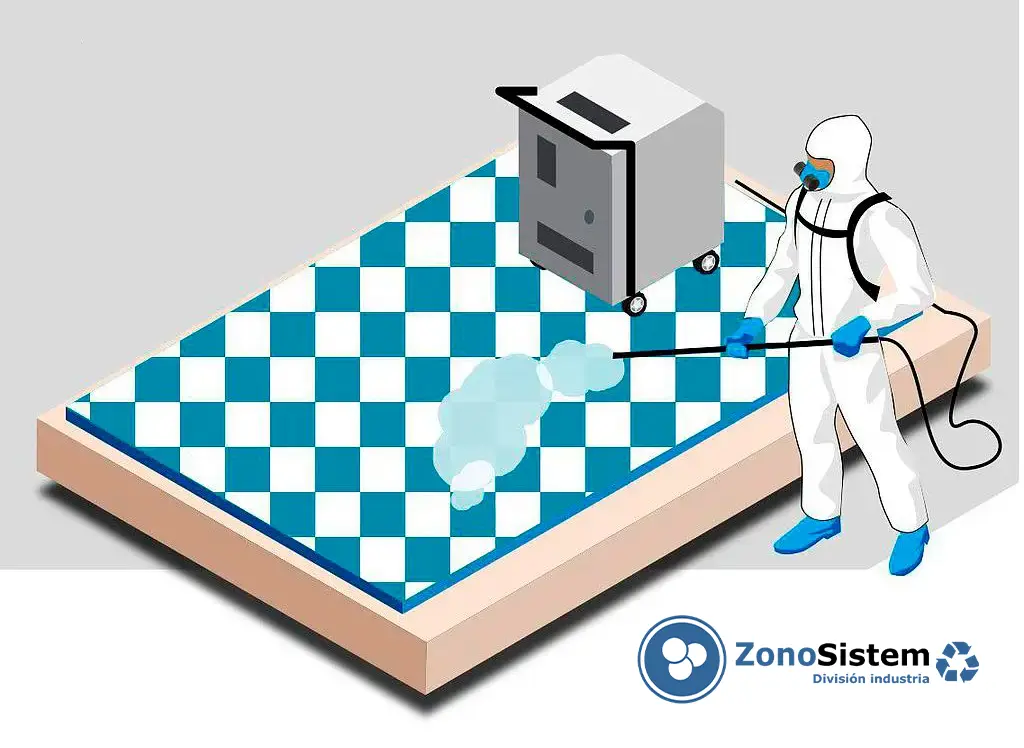
Use of ozone for surface cleaning and disinfection
Ozonated water is an excellent biocide for the contact disinfection of surfaces in the agri-food industry. It is a very easy-to-use tool that transforms mains water into disinfectant water with the aim of eliminating any pathogens from surfaces. Furthermore, it reduces the consumption of chemicals and hot water, cuts down on the time and number of rinses required, and lowers the volume and level of contamination in effluent.
It leaves no residues that could affect your recipes or products, providing customers with extra peace of mind. Furthermore, the ozone is generated on-site, so there is no need to transport, store or handle it. The system operates fully automatically and requires no manual labour. With ozone, you are guaranteed disinfection, with real-time monitoring, whilst achieving considerable savings compared with traditional systems.
Generators for surface washing and disinfection
Disinfect surfaces in your industrial premises simply using ozonated water generated on site
Ozone reduces the use of detergents, cold and hot water, and energy
Ozone is generated on-site; there is no need to store or transport chemicals
Ozone leaves no residue, does not alter your recipe and reduces waste
The system is automated; it does not require any manual labour to operate it
Why use ozone to mop and disinfect surfaces?
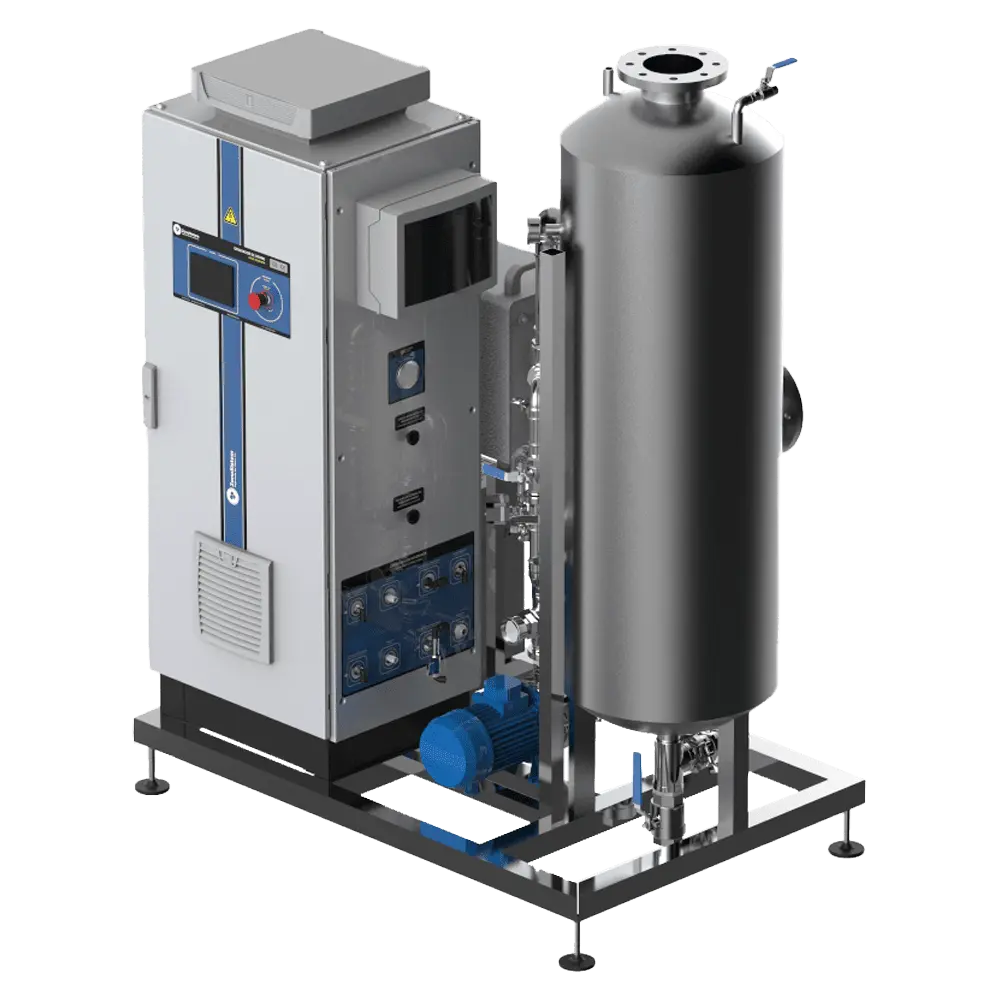
Optimise your industrial hygiene processes with Zonosistem’s ozone technology, the definitive solution for overcoming the limitations of traditional chemical disinfection. Ozone acts instantly and across the entire spectrum, effectively eliminating resistant bacteria and biofilms that conventional biocides are unable to penetrate. As the most powerful natural oxidant, it enables a drastic reduction in cleaning and disinfection times, achieving superior sanitisation without the need for long contact times.
One of the greatest operational advantages of ozone is its ability to break down into oxygen without leaving any residue. This makes it possible to eliminate the need for subsequent rinsing, simplifying the cleaning protocol and enabling savings in both time and money in each cycle. By reducing reliance on chlorinated detergents and disinfectants, it is possible to reduce the amount of chemicals used on site, thereby protecting both the machinery and the health of the operators.
In terms of water sustainability, the deployment of ozone systems reduces the volume of wastewater produced and ensures that it is of significantly higher quality. As no salts or toxic by-products are introduced into the effluent, it is easier to treat and reuse, whilst complying with the strictest environmental regulations. Transform your cleaning process into a high-performance operation that is faster, more cost-effective and environmentally friendly.
Benefits of using ozonated water for surface disinfection
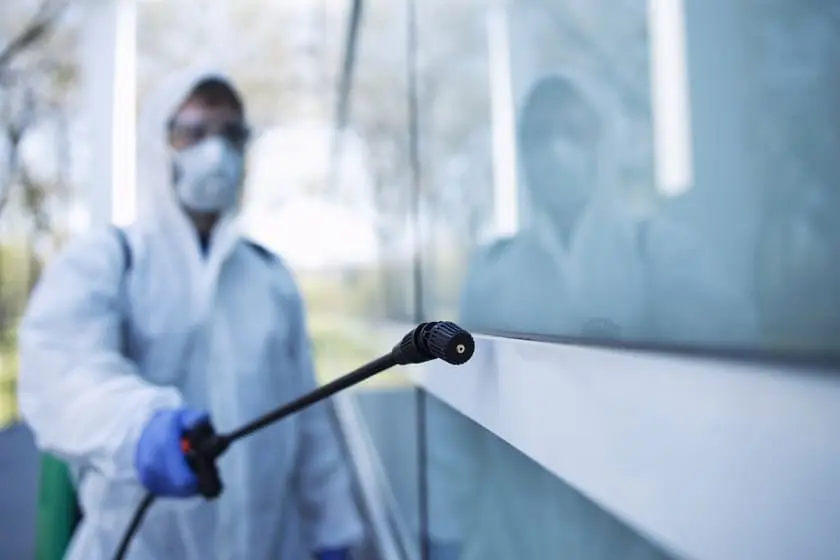
Elimination of resistant bacteria
Ozone is a powerful oxidising agent, and when dissolved in water it rapidly eliminates all types of pathogens, with a level of effectiveness far superior to that of conventional systems. There are no ozone-resistant bacteria.
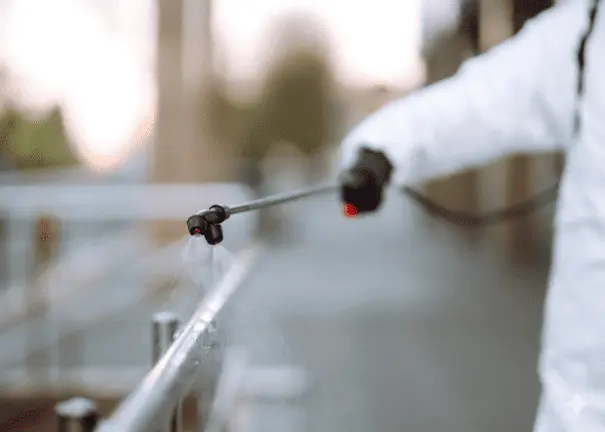
Leaves no waste; it turns into oxygen
Ozone has a very high disinfection potential, but it has a low residual effect, meaning it does not last over time. It transforms into oxygen after a few minutes and prevents your recipe from being altered.
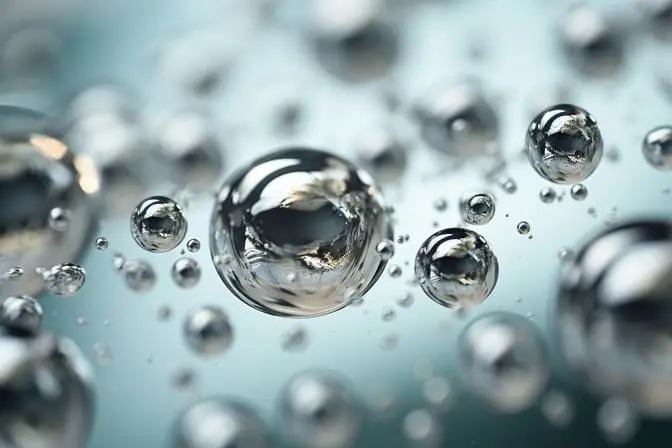
Save water, energy and chemicals
You can disinfect your surfaces whilst using fewer chemicals, thanks to ozone’s high effectiveness as a disinfectant. This will help reduce your consumption of energy, water and chemicals.
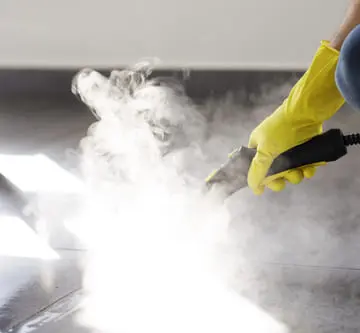
More profitable and less risky
If you save on chemicals, water, time and energy every day, you’ll be reducing your operating costs and becoming more profitable. What’s more, if you reduce the risk of your products becoming contaminated by chemicals, your system will be more reliable and your customers will appreciate it.
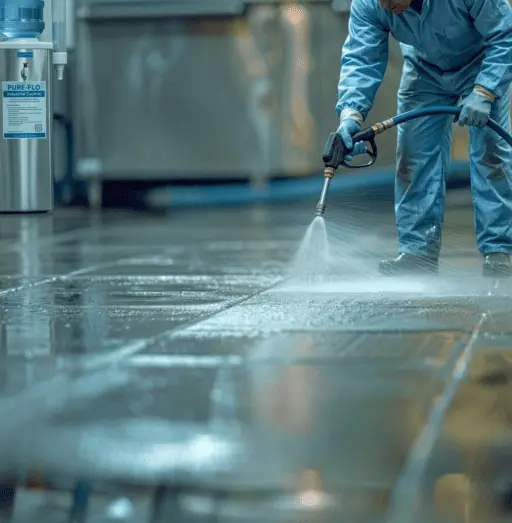
Reduces cleaning times
If you use ozone in your process, you’ll be able to reduce processing times, as it eliminates the need for rinsing. There’ll be no need to use water to rinse off the ozonated water.
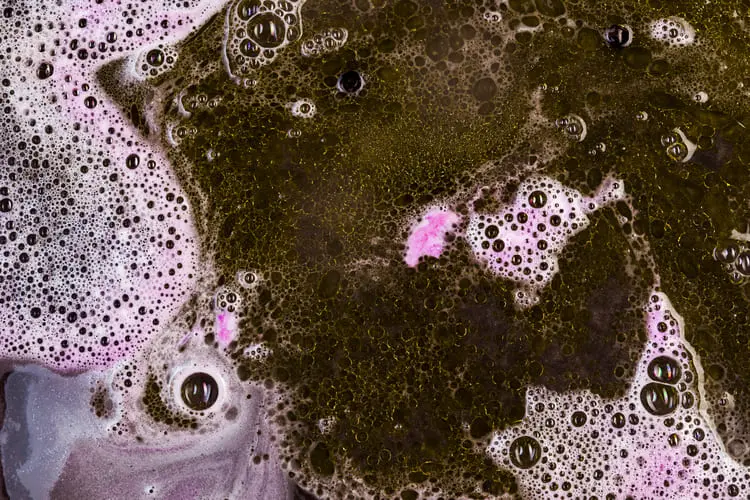
Reduces and improves waste disposal
By installing an ozone system in your washdown lines, you will completely eliminate the discharge of chemicals into the sewer system and reduce water and energy consumption, thereby reducing your environmental impact and carbon footprint.
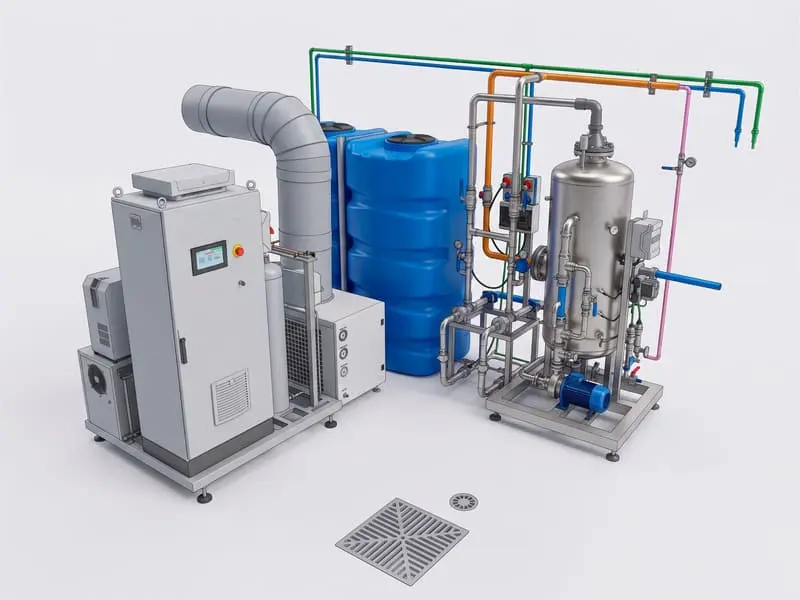
Ozone projects tailored to your needs
We design, manufacture, install and maintain comprehensive ozone systems for the cleaning and disinfection of surfaces. Ozone generators for the fishing, meat and fruit and vegetable industries, etc.
Contact us
Proyectos de ozono a tu medida
We design, manufacture, install and maintain comprehensive ozone systems for the cleaning and disinfection of surfaces. Ozone generators for the fishing, meat and fruit and vegetable industries, etc.
Contact us
ZonoSistem case studies in surface disinfection
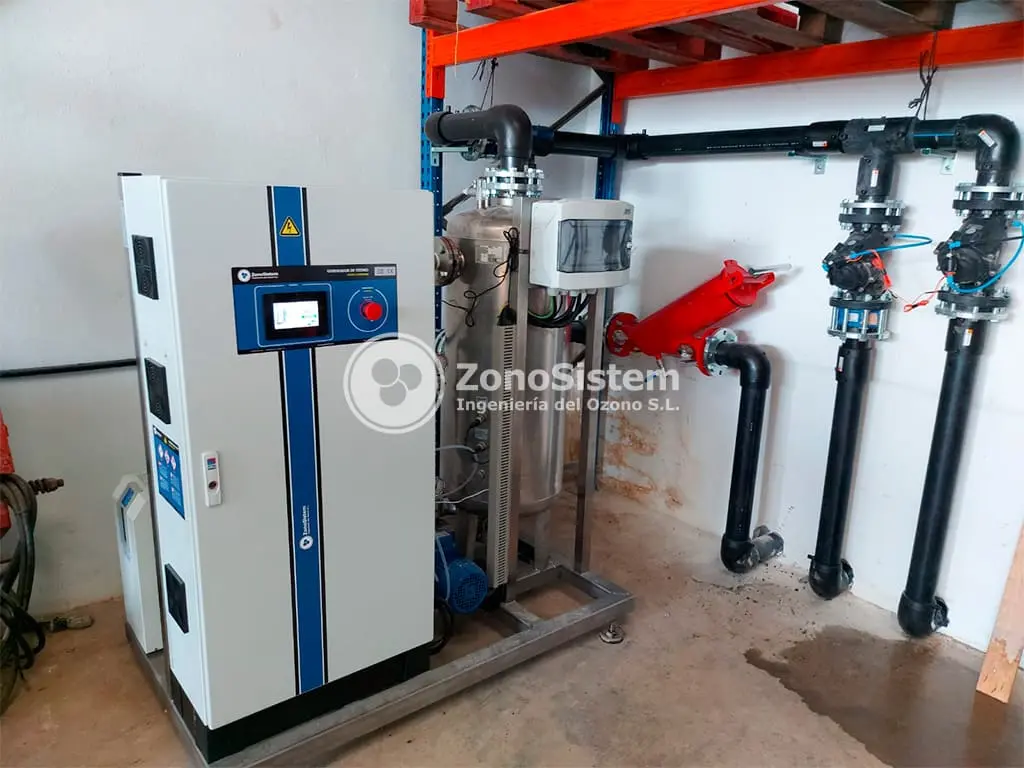
Ozone for surface disinfection. Spain
A network of pipes carrying ozonated water at a concentration of over 2ppm has been designed to deliver disinfectant power to every corner of the facility, without the need for chlorine or its derivatives. The project includes ozonated water supply points for the showers in the vegetable washing areas, for the disinfection of conveyor belts, and for the surface disinfection of machinery and floors. A professional, fully automated HIDRO VT system is responsible for maintaining a constant residual level.
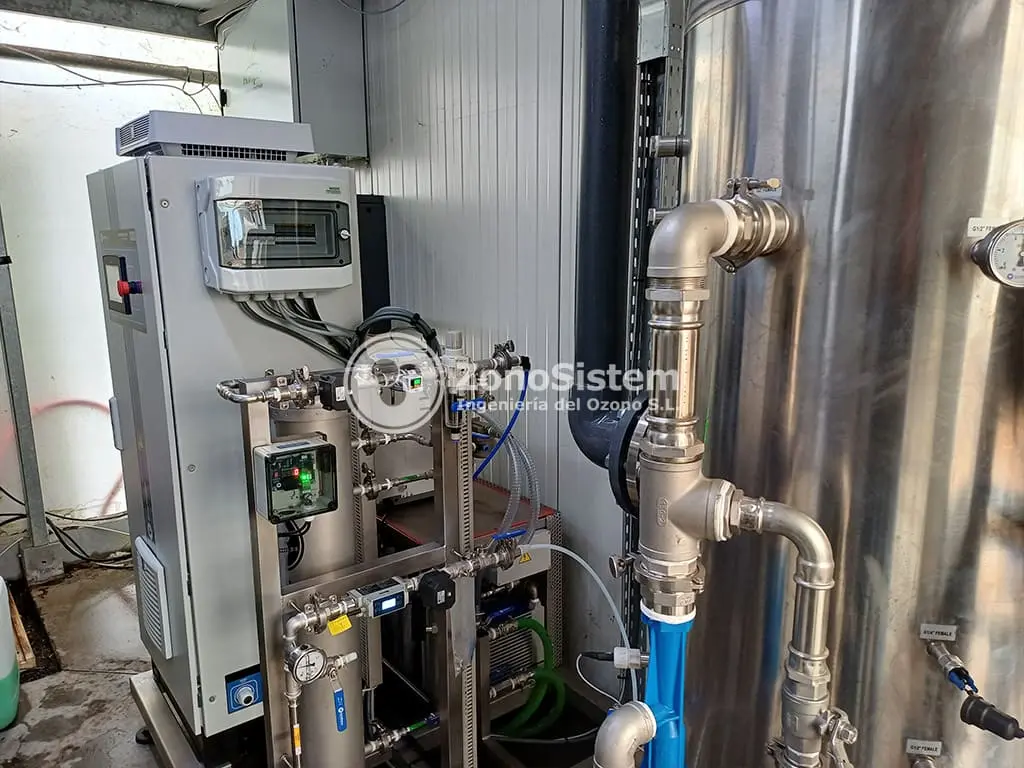
Ozone for surface disinfection in the meat industry. France.
The aim of the project is to disinfect the surfaces throughout the processing area of a beef abattoir. High levels of surface contamination compromise product quality, and this ozone system ensures the disinfection process is effective. The EDARI uses 80 per cent fewer chemicals, and the biological system improves its performance.
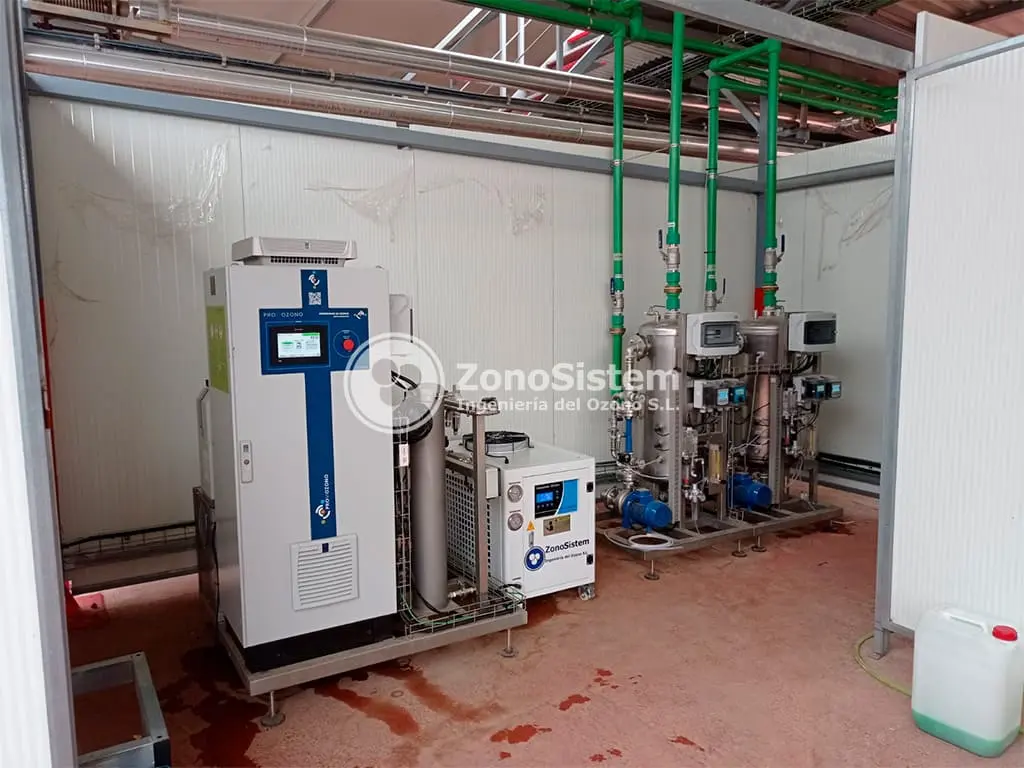
Ozone for surface disinfection in the meat industry. Spain.
A project that combines the pre-treatment of process water prior to its entry into the industrial plant with a high-concentration ozonation system, for both cold-water and hot-water lines. Ozone in hot water reduces the operating temperature, aiding degreasing and descaling whilst reducing boiler costs, whilst ozone in cold water is used for final biocidal disinfection without the use of chemicals. A master PLC controls the entire process and records the dissolved ozone doses for each line.
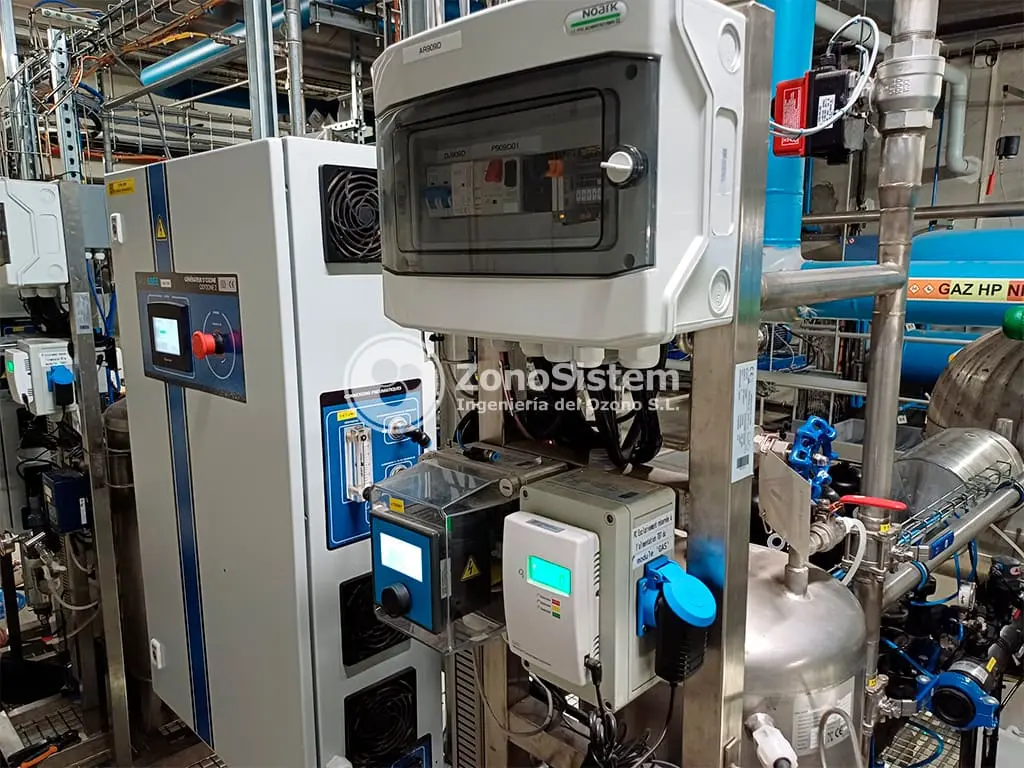
Ozone for surface disinfection in the fishing industry. Spain.
The project includes a compact HIDRO VT system for injecting high-concentration ozone and maintaining a constant dose, which is used for surface disinfection in the fishing industry. The areas to be disinfected are the plastic conveyor belts, cutters and machinery in general.
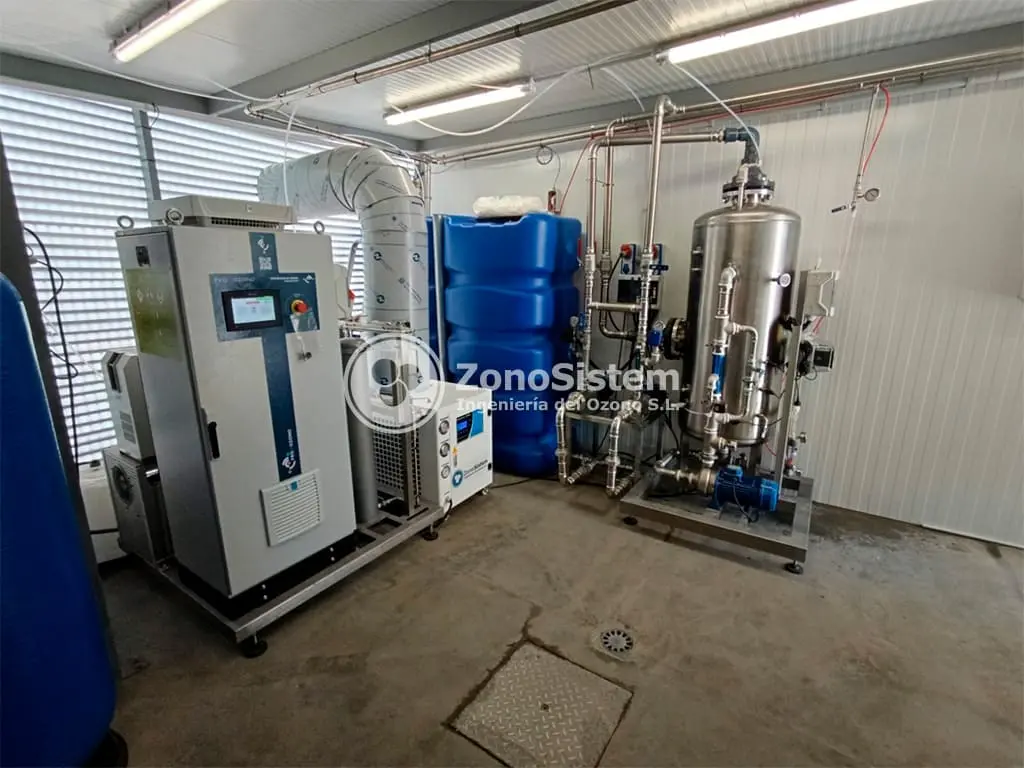
Ozone for surface disinfection in the fishing industry. Spain.
A ring system pressurised with high-concentration ozone has been designed to provide multiple taps that supply water at a high concentration immediately throughout the plant. The system ensures that surfaces are disinfected effectively and quickly.
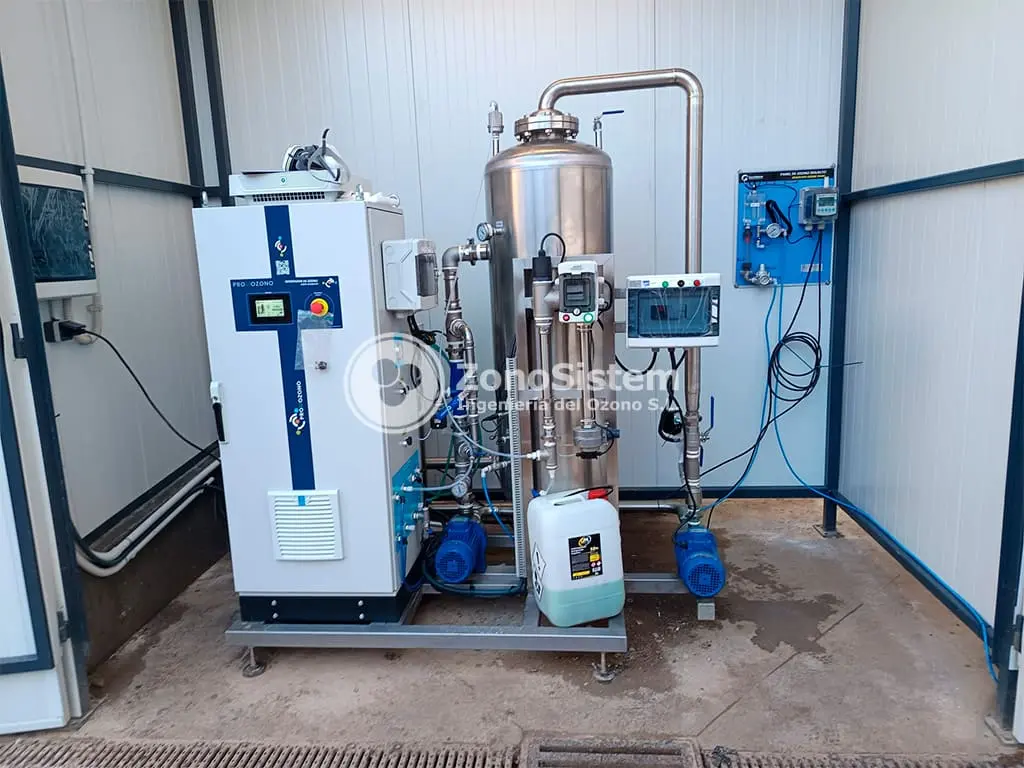
Ozone for surface disinfection in the food industry. Spain
This project involves the surface disinfection of a factory specialising in the production of crisps. The ozonated water loop provides an immediate solution for disinfection tasks following each shift. A compact HIDRO VT system with a capacity of 120 g/h is used for this purpose.
Ozone for surface disinfection. Fruit and vegetable industry. Spain
A network of pipes carrying ozonated water at a concentration of over 2 ppm has been designed to deliver disinfectant power to every corner of the facility, without the need for chlorine or its derivatives. The project includes ozonated water supply points for the showers in the vegetable washing areas, for the disinfection of conveyor belts, and for the surface disinfection of machinery and floors. A professional, fully automated HIDRO VT system is responsible for maintaining a constant residual level.
Ozone for surface disinfection in the meat industry. France.
The aim of the project is to disinfect the surfaces throughout the processing area of a cattle abattoir. High levels of surface contamination compromise product quality, and this ozone system ensures the effectiveness of the disinfection process. The EDARI requires 80 per cent fewer chemicals, and the biological system improves its performance. This project includes a GRZO200 system injecting into HIDRO VT.
Ozone for surface disinfection in the meat industry. Spain
A project that combines the pre-treatment of process water prior to its entry into the industrial plant with a high-concentration ozonation system, for both cold-water and hot-water lines. Ozone in hot water reduces the operating temperature, aiding degreasing and descaling whilst lowering boiler costs, whilst ozone in cold water is used for final biocide disinfection without the use of chemicals. A master PLC controls the entire process and records the dissolved ozone doses for each line.
Ozone for surface disinfection in the fishing industry. Spain
The project includes a compact HIDRO VT system designed to inject high-concentration ozone and maintain a constant dose, which is used for surface disinfection in the fishing industry. The disinfection points are the plastic conveyor belts, cutting machines and machinery in general.
Ozone for surface disinfection in the fishing industry. Spain
A ring system pressurised with high-concentration ozone has been designed to provide multiple taps that supply water at a high concentration immediately throughout the plant. The system ensures that surfaces are disinfected effectively and quickly.
Ozone for surface disinfection in the food industry. Spain
This project involves the surface disinfection of a factory specialising in the manufacture of crisps. The ozonated water loop provides an immediate solution for disinfection tasks following each shift. A compact HIDRO VT system with a capacity of 120 g/h is used for this purpose.
Frequently asked questions about the use of ozone for surface disinfection
Ozone is a powerful disinfectant that eliminates bacteria, viruses, fungi and other microorganisms present on floors, walls and equipment. Using it for cleaning enables large areas to be sanitised quickly and effectively without the need to add harsh chemicals, thereby reducing risks to staff and the environment.
Ozone does not damage floors, walls or standard equipment found in industrial food processing environments. As it breaks down into oxygen, it leaves no corrosive residues, thereby preserving the integrity of the facilities whilst ensuring thorough microbiological cleaning.
Yes, provided that the recommended concentrations and safety measures are observed. Ozone must be generated and applied in a controlled manner, avoiding direct exposure to high levels. With automatic systems or appropriate dosages, effective disinfection can be achieved without risk to staff or the need for hazardous chemicals.