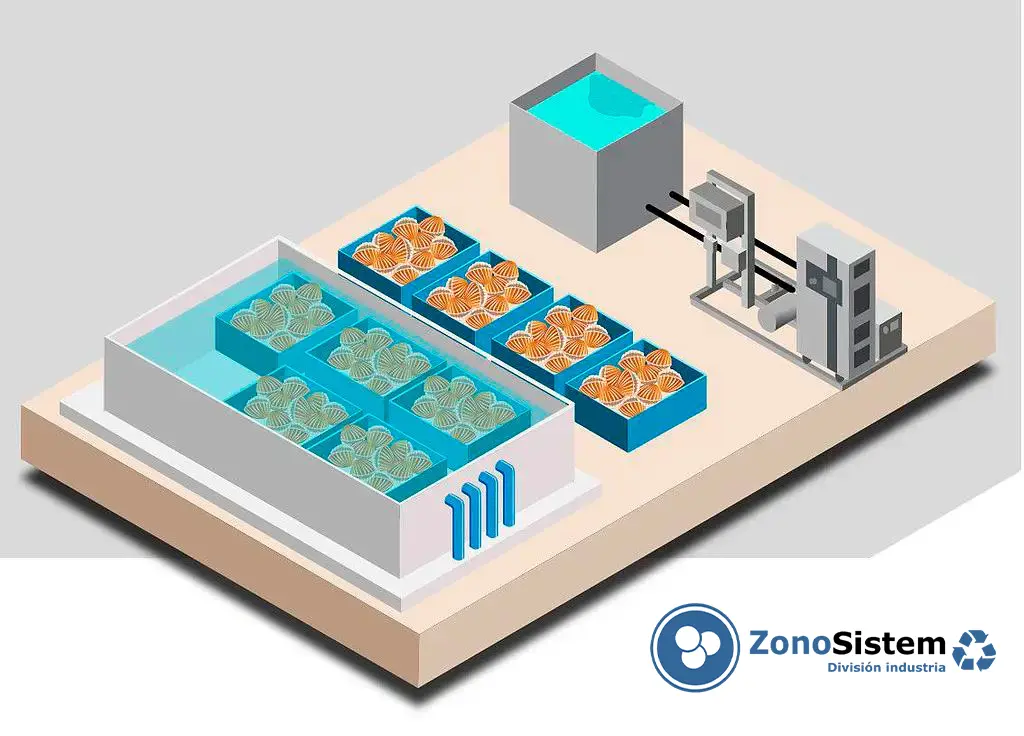
The use of ozone in a shellfish purification plant
In shellfish purification systems with water recirculation, ozone is used as an advanced oxidising agent to improve water quality and process efficiency. Its action effectively removes dissolved proteins, organic compounds, microorganisms and biofilms that accumulate during the purification process.
Furthermore, it reduces the formation of surface foam, heavy metals and viruses. This not only improves the clarity and oxygenation of the water, but also extends its reusability, minimises water consumption and helps to maintain a microbiologically stable environment, free from residues and added chemicals.
Ozone generators for shellfish purification plants
It helps the mollusc to filter the water more efficiently and to a higher standard
Ozone eliminates the need to add chemicals to the water at the treatment plant.
Ozone is generated on-site; there is no need to store or transport chemicals.
Ozone leaves no residue and does not affect the mollusc.
The system is automated; it does not require any manual labour to operate it
Problems with water quality at the shellfish purification plant?
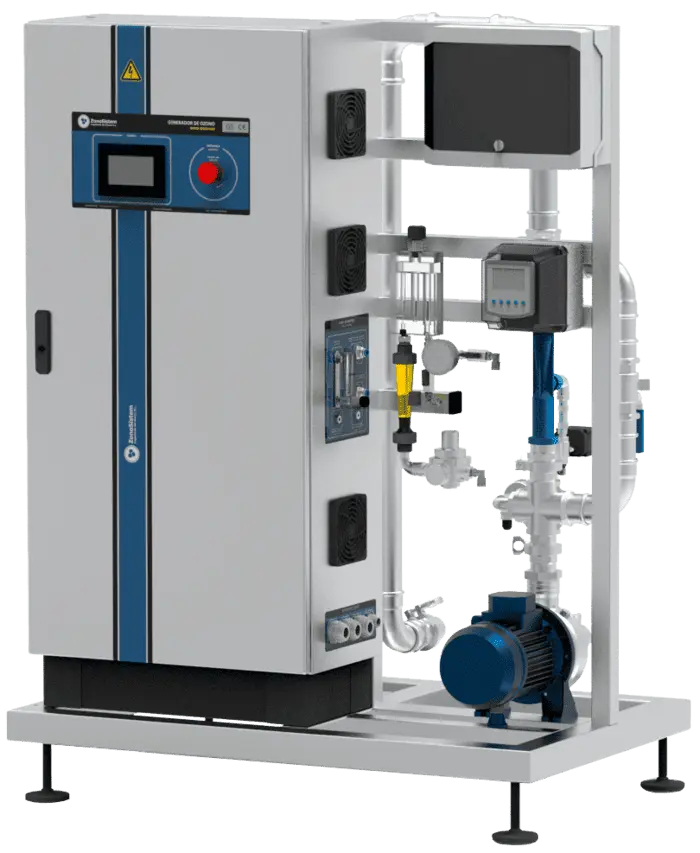
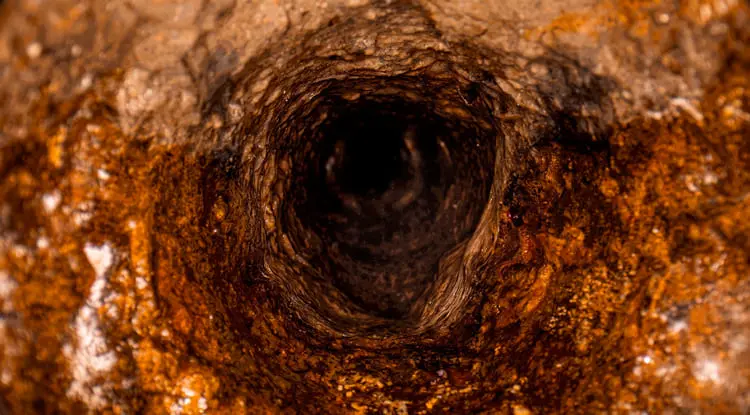
To tackle the technical challenges posed by complex hydraulic systems, ZonoSistem technology acts directly on high microbiological loads, instantly eliminating viruses, bacteria and fungi. As a broad-spectrum oxidant, ozone breaks down the biofilm adhering to the system’s pipes and walls, preventing it from becoming a reservoir for pathogens. This action not only ensures complete disinfection but also protects the integrity of the infrastructure by preventing biological corrosion.
The presence of persistent turbidity and the formation of unwanted foam are often signs of an excess of organic matter and surfactants. Ozone breaks down these molecules through a process of micro-flocculation, enabling filtration systems to retain the particles more easily and restore the water’s crystal-clear transparency. Furthermore, the treatment effectively neutralises ammonium and other toxic metabolites resulting from biological activity, transforming them into inert compounds that are safe for the aquatic ecosystem.
Finally, the deployment of our ozone generators resolves problems caused by low levels of dissolved oxygen at source. When ozone is injected, it rapidly breaks down into pure oxygen, supersaturating the medium and drastically improving the metabolism of living organisms in the system. With ZonoSistem, you get an automated solution that optimises the performance of your treatment plant, reduces the need for water renewal and eliminates reliance on residual chemicals.
Advantages of using ozone in a shellfish purification plant

Maximum disinfection with no residue
Ozone is used worldwide to disinfect shellfish processing water, thanks to its powerful ability to eliminate viruses, bacteria, fungi and moulds, with the advantage that it leaves no residues and does not accumulate in living organisms. It is an essential tool for improving the efficiency of the process.
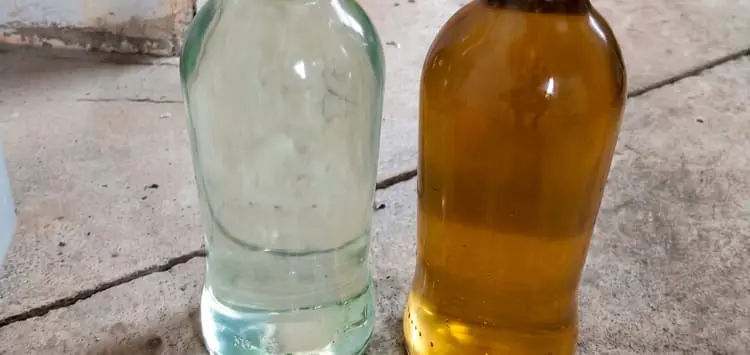
Improves water quality
Ozone is an excellent purifier; it oxidises and breaks down organic and inorganic matter, and reduces COD, BOD, SS, SD, turbidity, colour, odour and taste. It eliminates toxins and heavy metals. It also provides additional dissolved oxygen. It aids subsequent filtration processes and the removal of organic matter by skimmers.
Protein removal
The combination of ozone + skimmer (protein skimmer) is one of the most effective methods for treating water in marine aquariums and shellfish purification systems.
No manual labour, fully automatic
The system automatically generates and injects ozone into the tank, without the need for manual labour. It simply needs to be connected to the tank and a power socket.
No chemical storage
Ozone is generated on site and applied immediately, so it does not require the storage or handling of chemicals, eliminates the need for transport and reduces the carbon footprint.
Biocide recognised by ECHA
Ozone is included on the European Chemicals Agency’s (ECHA) list of biocides, and ZonoSistem has all the necessary documentation for its proper authorisation and use
Turnkey ozone projects
We are manufacturers of industrial ozone generators for shellfish purification plants. We design, manufacture, install and maintain the ozone system that best suits your needs.
Contact us
Turnkey ozone projects
We are manufacturers of industrial ozone generators for shellfish purification plants. We design, manufacture, install and maintain the ozone system that best suits your needs.
Contact us
ZonoSistem case studies: the use of ozone in shellfish purification plants
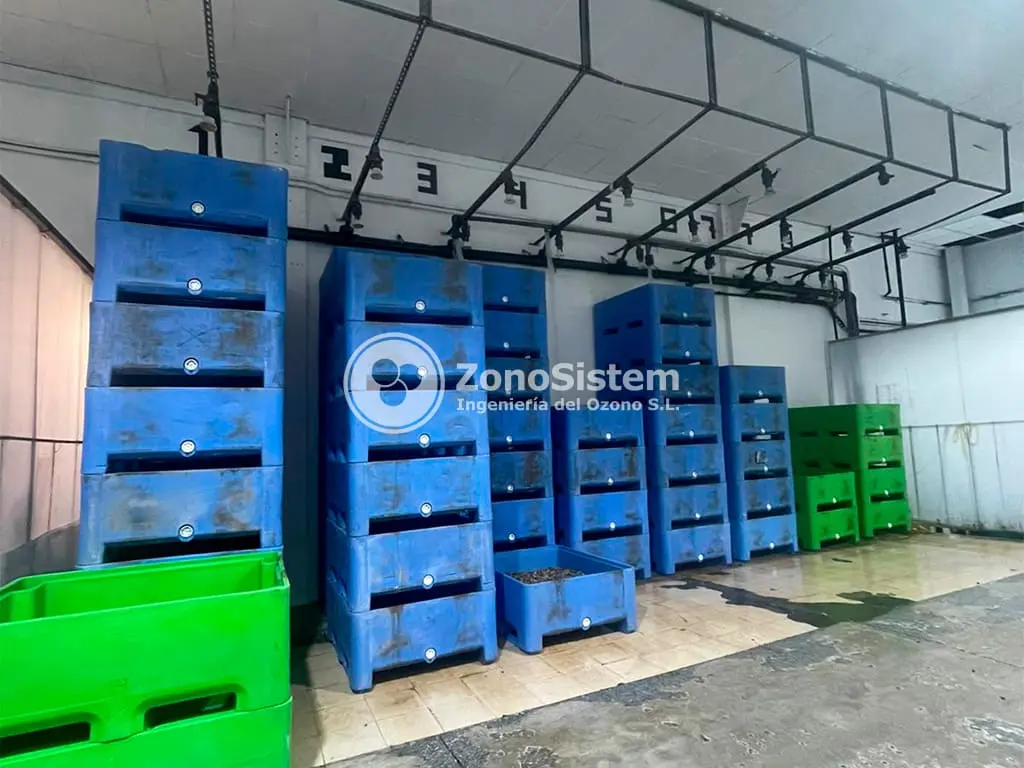
Depuradora de almejas con agua ozonizada
ZonoSistem ha desarrollado un avanzado proyecto de depuración de almejas con ozono, garantizando una desinfección total y la eliminación de biofilm en el sistema hidráulico. El ozono es inyectado en varios skimmer.
Elimina el biofilm de las líneas de recirculación y mejora la eficacia global del sistema de depuración.
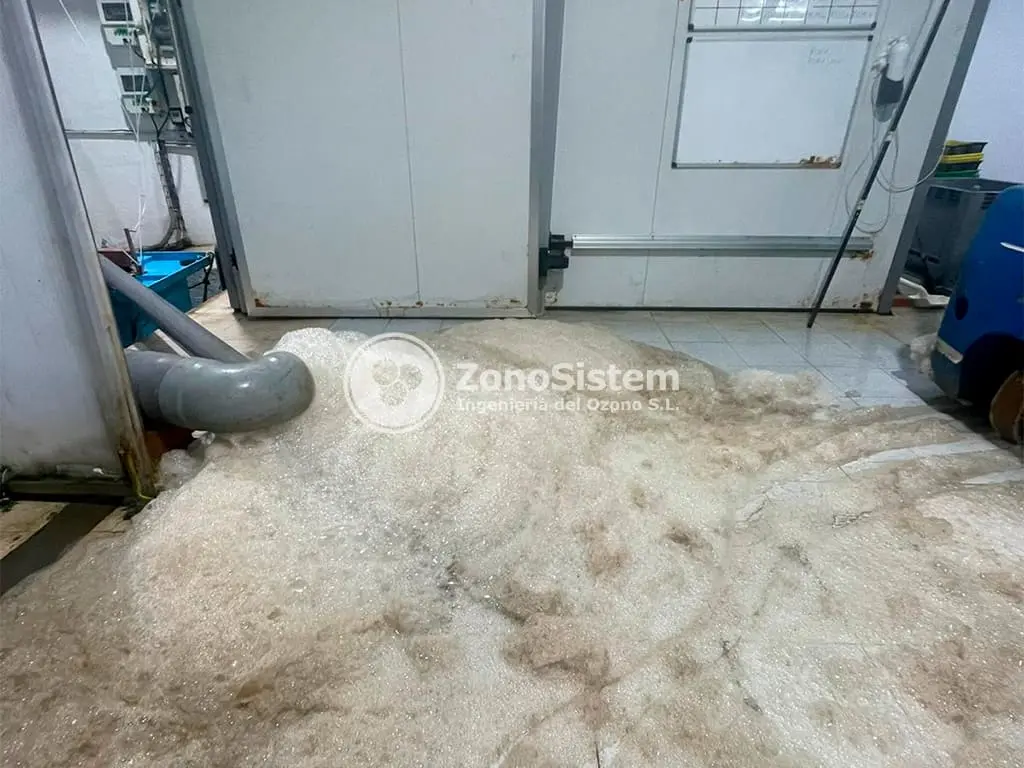
Espuma procedente de skimmer de depuradora de moluscos
La combinación de ozono + skimmer (fraccionador de proteínas) es una de las más eficaces para el tratamiento de agua en acuarios marinos y sistemas de depuración de moluscos.
Cuando el ozono se inyecta en el circuito de agua, oxida las moléculas orgánicas complejas presentes en el agua, transformándolas en compuestos más simples y más fácilmente separables. Además, modifica la estructura superficial de las proteínas, grasas y sustancias coloidales, facilitando que se adhieran a las microburbujas generadas por el skimmer.
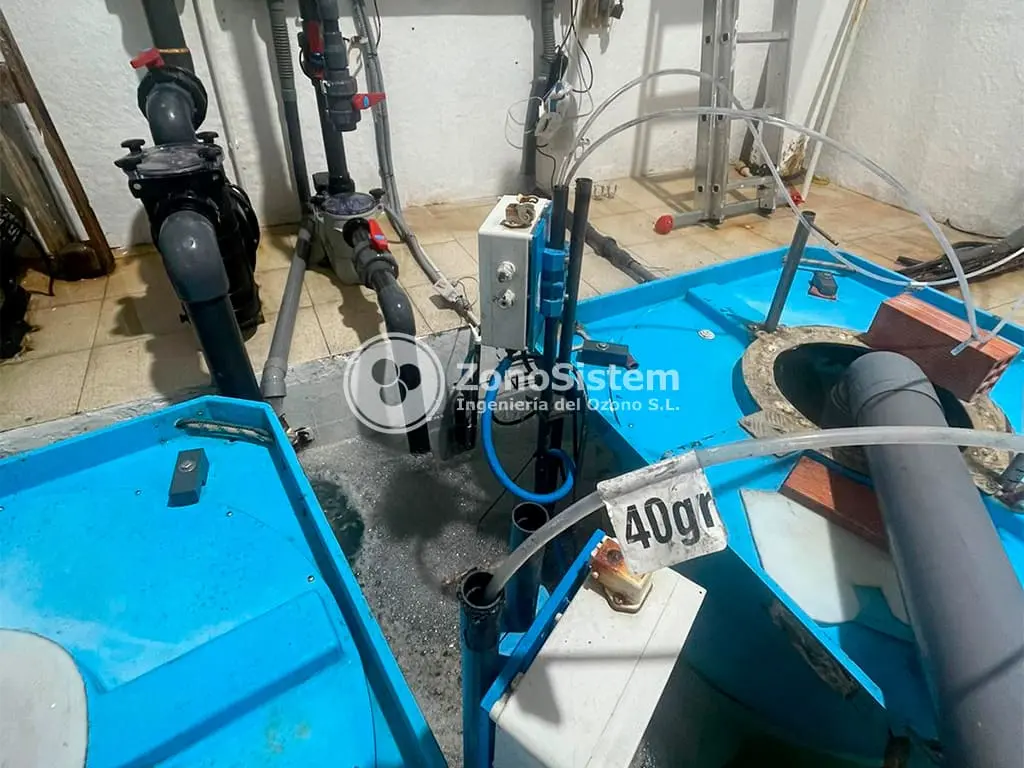
Inyección de ozono a Skimmer
El proyecto incluye varios generadores de gama profesional GZO.
El ozono se introduce directamente en la cámara de mezcla del skimmer, donde se combina de manera intensiva con el agua de la depuradora.
El sistema está controlado mediante sensores de redox ORP que garantizan la desinfección del agua y el no exceso de ozono disuelto en el retorno de agua.
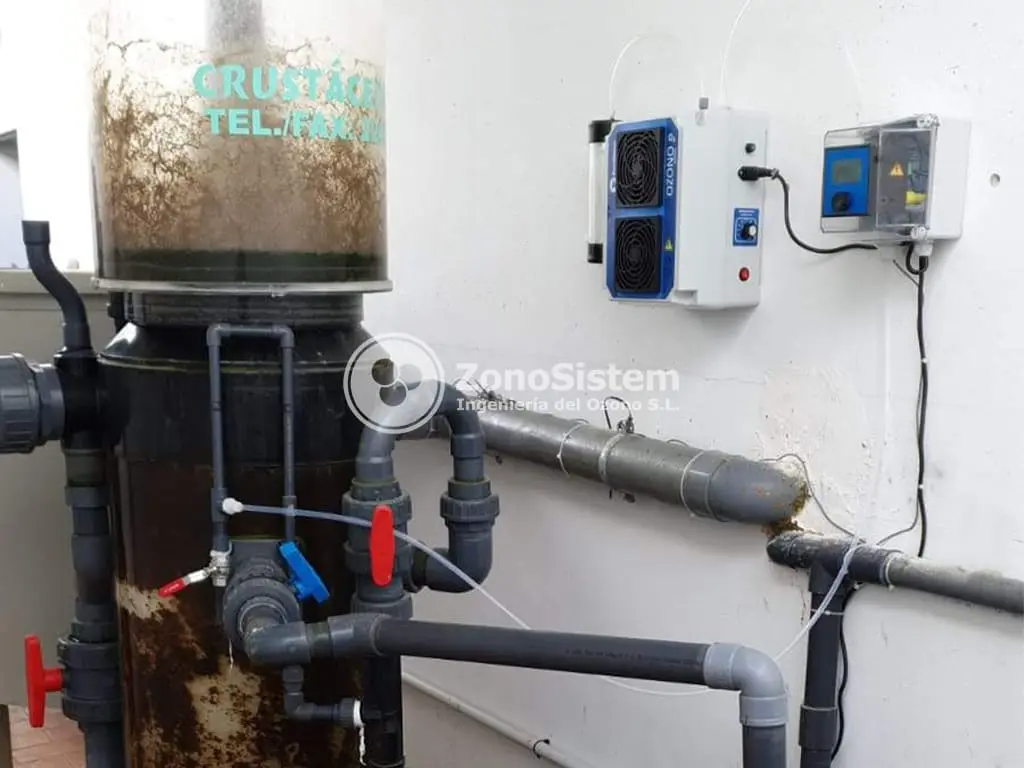
Ozono inyectado a skimmer de depuradora de moluscos
Este proyecto incluye un pequeño generador de ozono de gama comercial de 1 g/h de producción. Este generador de ozono ayuda al skimmer a eliminar las proteínas y a aumentar el valor de ORP en todo el circuito hidráulico. El aumento del potencial de oxidación reduce la carga orgánica y microbiológica y permite mantener el agua en el sistema durante más tiempo en mejores condiciones.
Clam purification plant using ozonated water
ZonoSistem has developed an advanced project for the purification of clams using ozone, ensuring complete disinfection and the removal of biofilm from the hydraulic system. The ozone is injected into several skimmers.
It removes biofilm from the recirculation lines and improves the overall efficiency of the water treatment system.
Foam from the skimmer of a shellfish purification plant
The combination of ozone + skimmer (protein skimmer) is one of the most effective methods for treating water in marine aquariums and shellfish purification systems.
When ozone is injected into the water circuit, it oxidises the complex organic molecules present in the water, transforming them into simpler compounds that are more easily separated. Furthermore, it alters the surface structure of proteins, fats and colloidal substances, making it easier for them to adhere to the microbubbles generated by the skimmer.
Ozone injection into the skimmer
The project includes several GZO professional-grade generators
The ozone is fed directly into the skimmer’s mixing chamber, where it mixes thoroughly with the water from the treatment plant.
The system is controlled by ORP redox sensors, which ensure that the water is disinfected and that there is no excess dissolved ozone in the return water.
Ozone injected into the skimmer at a shellfish purification plant
This project includes a small, commercial-grade ozone generator with an output of 1 g/h. This ozone generator helps the skimmer to remove proteins and increase the ORP value throughout the hydraulic circuit. The increase in oxidation potential reduces the organic and microbiological load and enables the water in the system to be maintained in better condition for longer.
Frequently Asked Questions on the Use of Ozone in Shellfish Treatment Plants
Ozone acts as a powerful micro-flocculation agent, causing proteins and dissolved organic particles to clump together. This enables the skimmer to produce a denser, more stable foam, facilitating the removal of large quantities of impurities that conventional filters cannot retain, thereby achieving crystal-clear water.
Yes, ozone is far more advisable. Unlike chlorine, ozone leaves no chemical residues in the water or in the shellfish flesh, as it rapidly breaks down into pure oxygen. This ensures compliance with the strictest food safety regulations and prevents chemical stress in the animals, whilst maintaining their original freshness. If we compare it with a UV system, UV radiation is a disinfection system, whilst ozone is an advanced disinfection and oxidation system that improves water quality overall. For this reason, ozone generally offers greater benefits in recirculation and mollusc purification systems.
Ozone directly oxidises the ammonia and toxic metabolites excreted by molluscs, transforming them into inert compounds. Furthermore, its high biocidal power eliminates the biofilm (bacterial layer) from pipes and tanks, preventing them from becoming sources of infection and improving the hydraulic performance of the entire treatment plant.