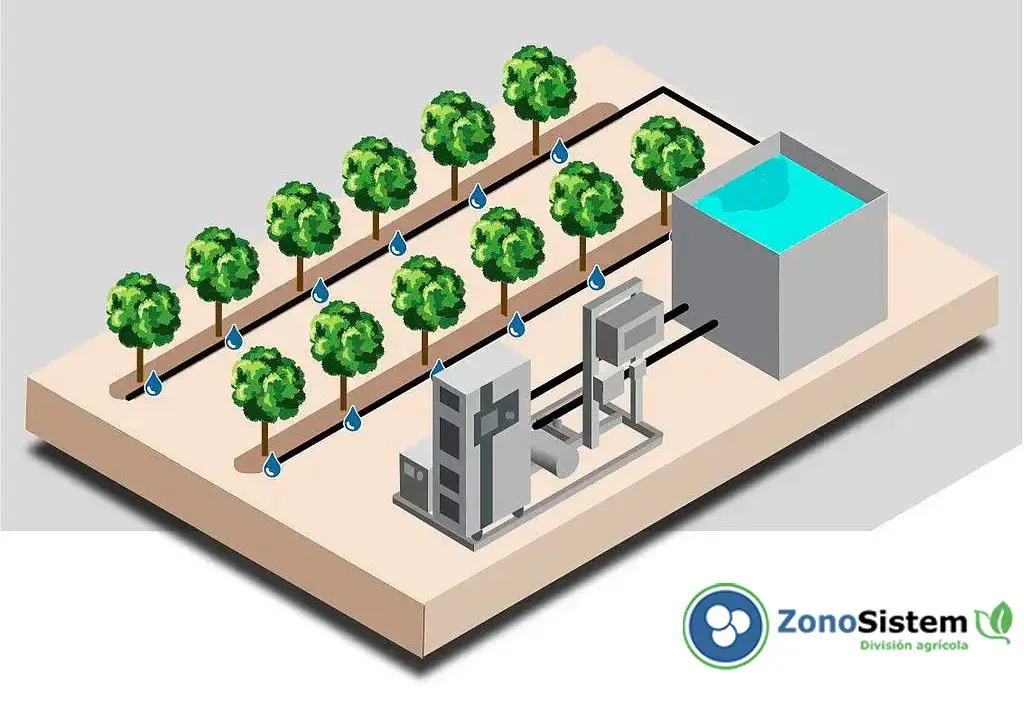
Use of Ozone in Irrigation Reservoirs
Advantages and benefits of using ozone in irrigation tanks. Injecting ozone gas into an irrigation tank offers significant benefits to farmers. This revolutionary technique considerably improves the quality of irrigation water, and your plants will thank you for it. Ozone disinfects the water and the surface of the tank, removing organic matter, heavy metals and other pollutants that are harmful to plants. Furthermore, it saturates the water with oxygen, which benefits the plant’s root system. When ozone-treated water is pumped through the irrigation pipes, it prevents the formation of biofilm. The large volume of irrigation tanks facilitates water disinfection due to the long hydraulic retention time and the contact between the ozone and the contaminants.
Ozone in Irrigation Reservoirs
Ozone generators for disinfecting water in irrigation tanks.
Would you like to improve the quality of your irrigation water?
We offer ozone-based solutions for all types of crops, whether grown in soil or using hydroponics
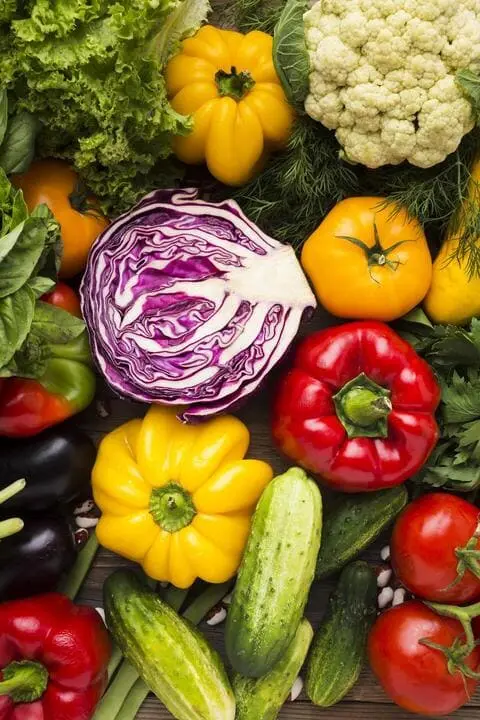
Vegetables

Football pitches and golf courses
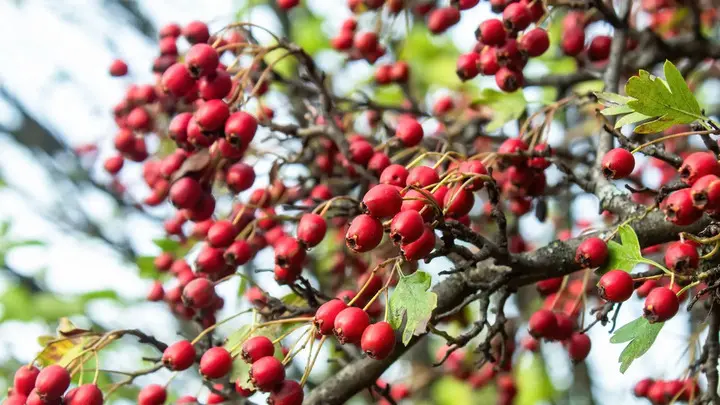
Red berries

Vineyard
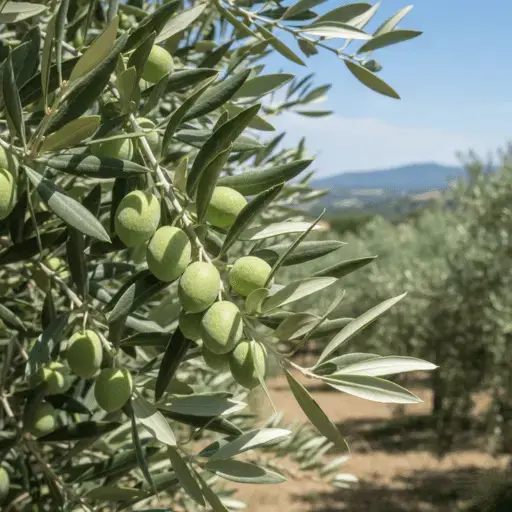
Olive tree
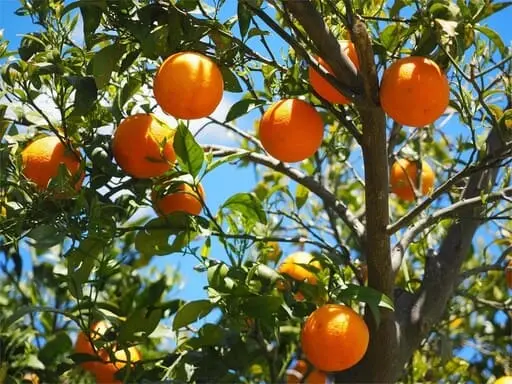
Citrus and fruit trees
Why use ozone to disinfect irrigation tanks?
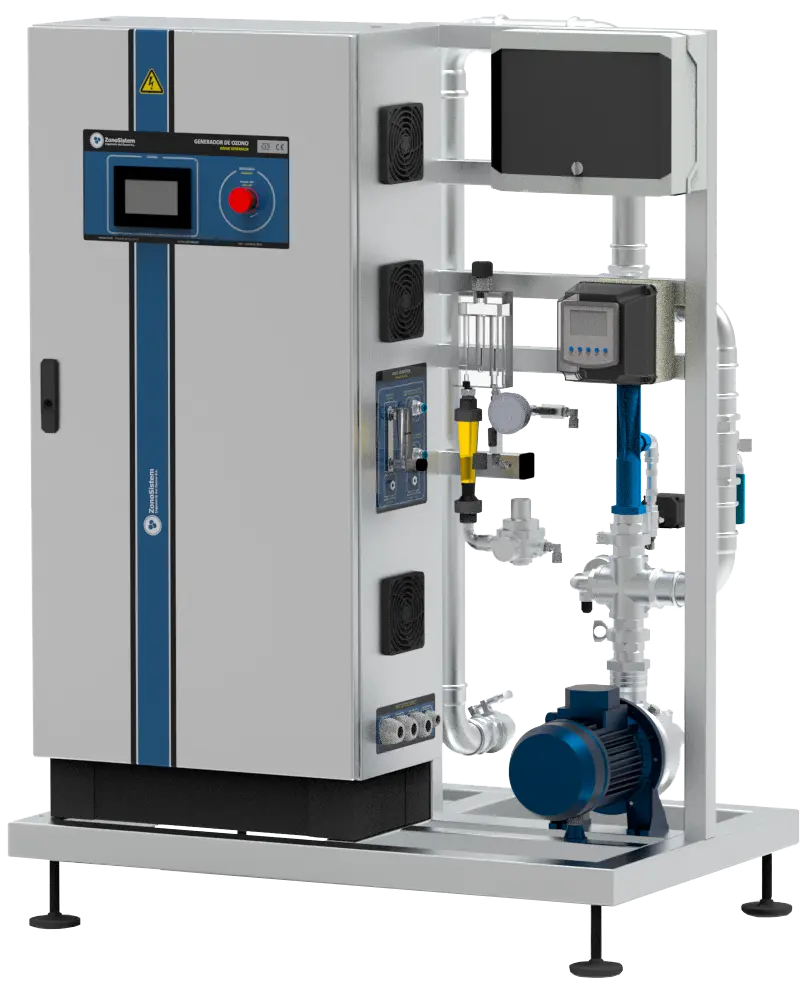
Our ozone generation systems for irrigation reservoirs effectively eliminate problems caused by poor water quality, such as Fe, Mn, organic matter, etc. Furthermore, they saturate the water with dissolved oxygen and improve the performance of the filtration system.
It also prevents bacterial biofilm and constant blockages in filters and drippers.
By acting as a powerful natural disinfectant and oxidant, ozone purifies the irrigation flow without leaving any chemical residues, keeping the pipes completely clear and ensuring an even distribution of water. This technology not only protects your farm’s water infrastructure, but also eradicates pathogens at source, preventing the spread of root diseases that reduce yields and increase maintenance costs.
The deployment of ozone in water storage directly enhances the profitability and sustainability of your crop. By increasing oxygenation in the root zone, plants optimise their uptake of nutrients, resulting in more vigorous, uniform crops with lower wastage rates. It is the definitive solution for reducing the use of plant protection products and chemicals, leading to a cleaner and more efficient production cycle. Invest in a technology that transforms your most critical resource – water – into a high-performance tool to maximise every hectare of your farm.
Reasons for using ozone in irrigation tanks
Proper ozone treatment of your irrigation tank brings significant benefits
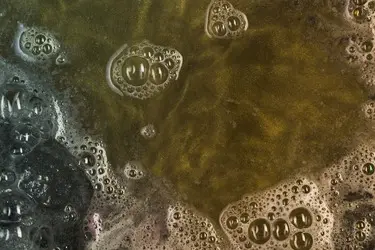
Water treatment
Ozone is essential for treating water in irrigation tanks, as this water comes from highly polluted sources, including tertiary effluent from WWTPs. The use of ozone reduces crop losses and deterioration. Furthermore, ozone reduces COD, BOD, turbidity, colour, odour and suspended and dissolved solids, whilst oxidising and breaking down organic matter. The quality of your crops depends largely on the quality of the irrigation water.

Prevents the spread of contamination from crops and soil
If water is not properly purified and disinfected, it will act as a vehicle for the transmission of all diseases and contaminants to the soil and crops. By treating stored water, we resolve this problem once and for all. Furthermore, continuous irrigation improves soil quality in terms of physico-chemical and microbiological contamination. You will notice the results within a few days of treating the water with ozone.
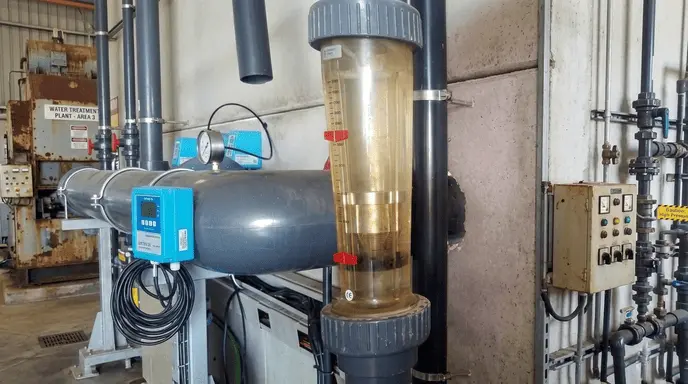
Clears blockages in drippers, pipes and filters using ozone
Ozone breaks down organic matter very easily, particularly that which adheres to irrigation pipes. With the right ozone treatment, your pipes will remain free of biofilm, reducing blockages in drippers and filters. Save time and money by reducing blockages in filters and drippers. You’ll see the results within a few days.
No Chemicals
Ozone is generated in situ using air and electricity, eliminating the need to transport chemicals and saving on operating costs.
No workforce
The system is automatic and self-contained: it generates, injects and regulates ozone without the need for manpower or supervision.
Environmentally friendly
Our generators are environmentally certified: the ozone leaves no residue on plants, fruit or soil.
Which ozone generator is the most suitable?
To decide which ozone generator is most suitable, you mainly need to know these three parameters: volume, flow rate and pollution levels.
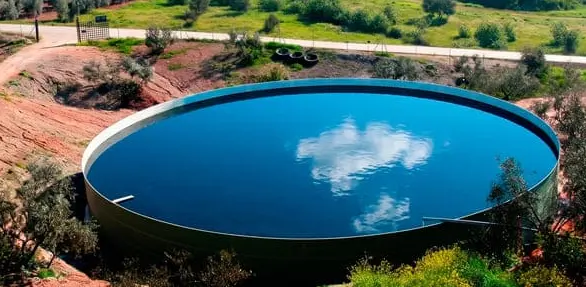
Tank capacity
It is necessary to know the volume of the tank in order to calculate the ozone injection and homogenisation systems.
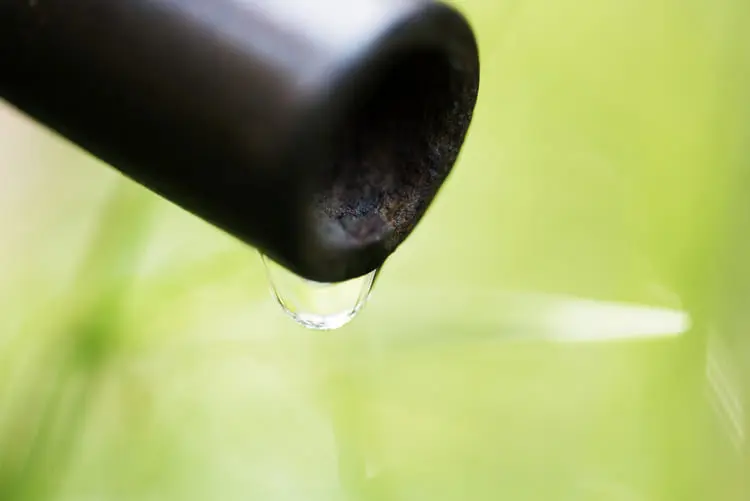
Irrigation flow rate
It is necessary to know the flow rate in order to apply the correct dose of ozone, depending on the desired outcome for the crop.
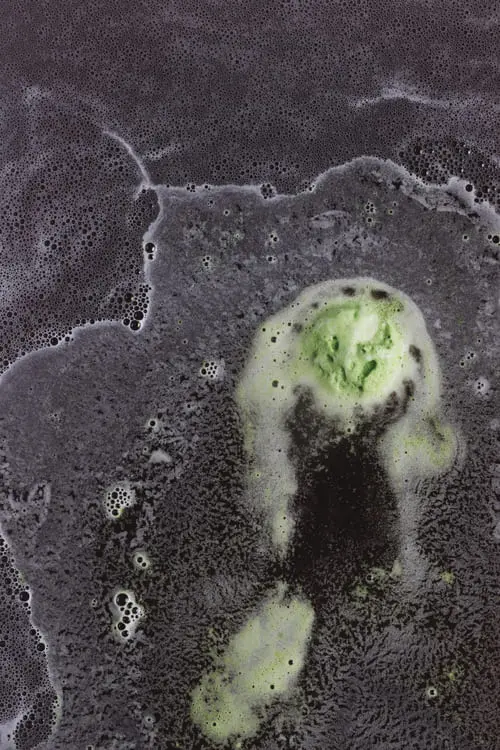
Water pollution
It is vital to understand water quality and contamination levels to ensure that the ozone dose applied is effective and that the expected results are achieved.
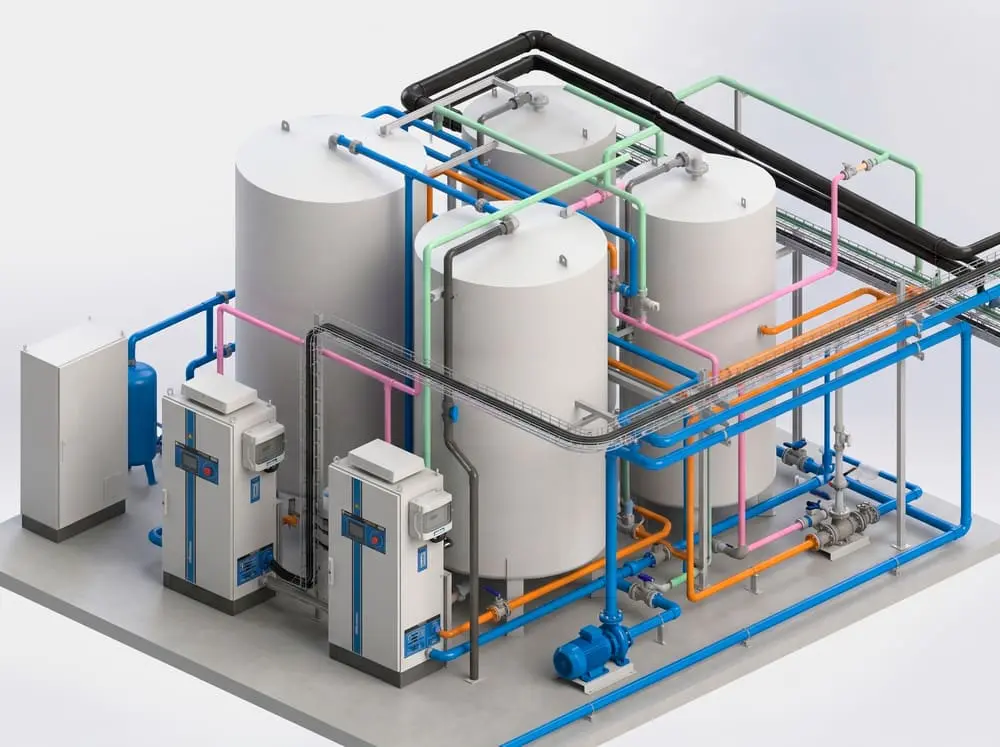
Ozone treatment tailored to your irrigation tank
We design, manufacture, install and maintain comprehensive ozone systems for irrigation tanks. Each design is tailored to the specific volume of water stored and the peak irrigation flow rate.
Contact us
Ozone treatment tailored to your irrigation tank
We design, manufacture, install and maintain comprehensive ozone systems for irrigation tanks. Each design is tailored to the specific volume of water stored and the peak irrigation flow rate.
Contact us
ZonoSistem Case Studies in Irrigation Reservoirs
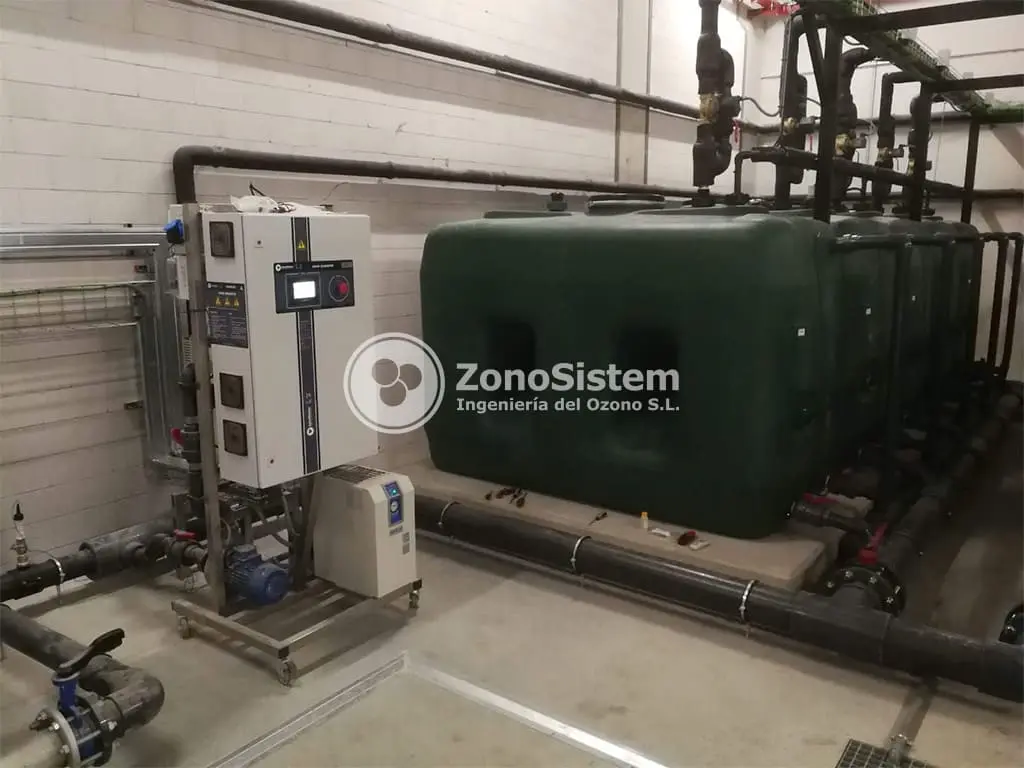
Disinfection of water tanks used for hydroponic cucumber irrigation. Spain
The deployment of an advanced recirculation system for the disinfection of hydroponic irrigation tanks has taken place.
By injecting and precisely measuring ozone, the project ensures that the water is free from pathogens through an automated process. The greenhouse enables rainwater to be reused safely for irrigation.
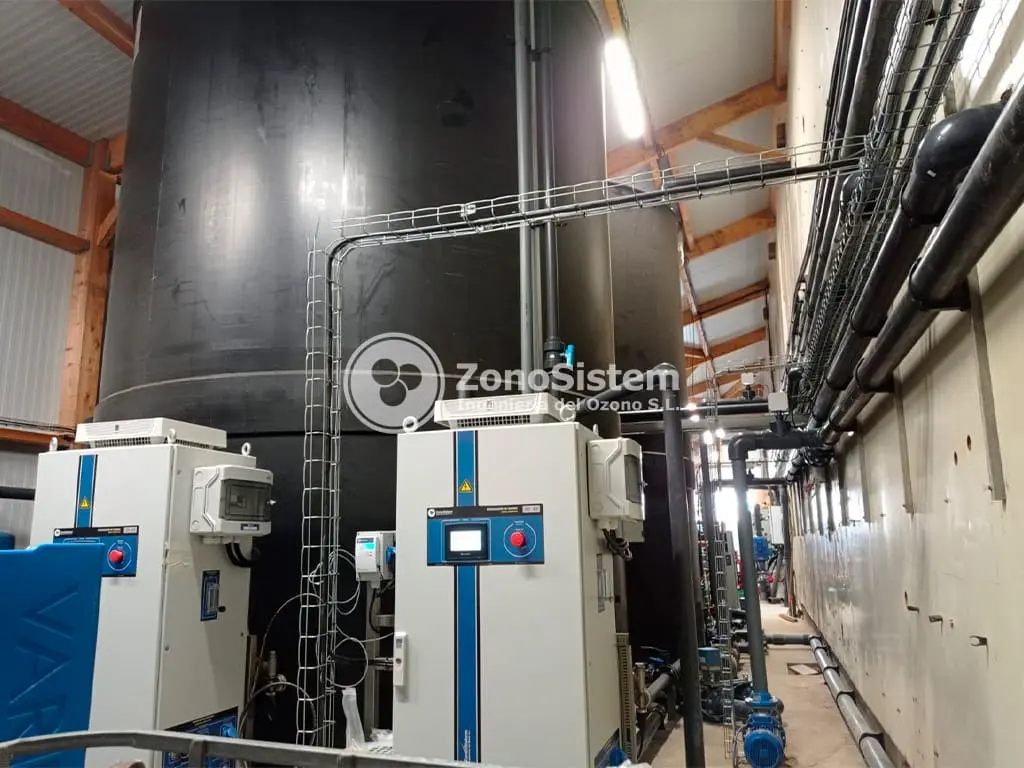
Disinfection of irrigation tank reservoirs. France
ZonoSistem has developed this ozone treatment project in France for drainage tanks in strawberry greenhouses, based on recirculation and continuous ozone monitoring.
The system ensures the removal of fungal contamination from the drainage system.
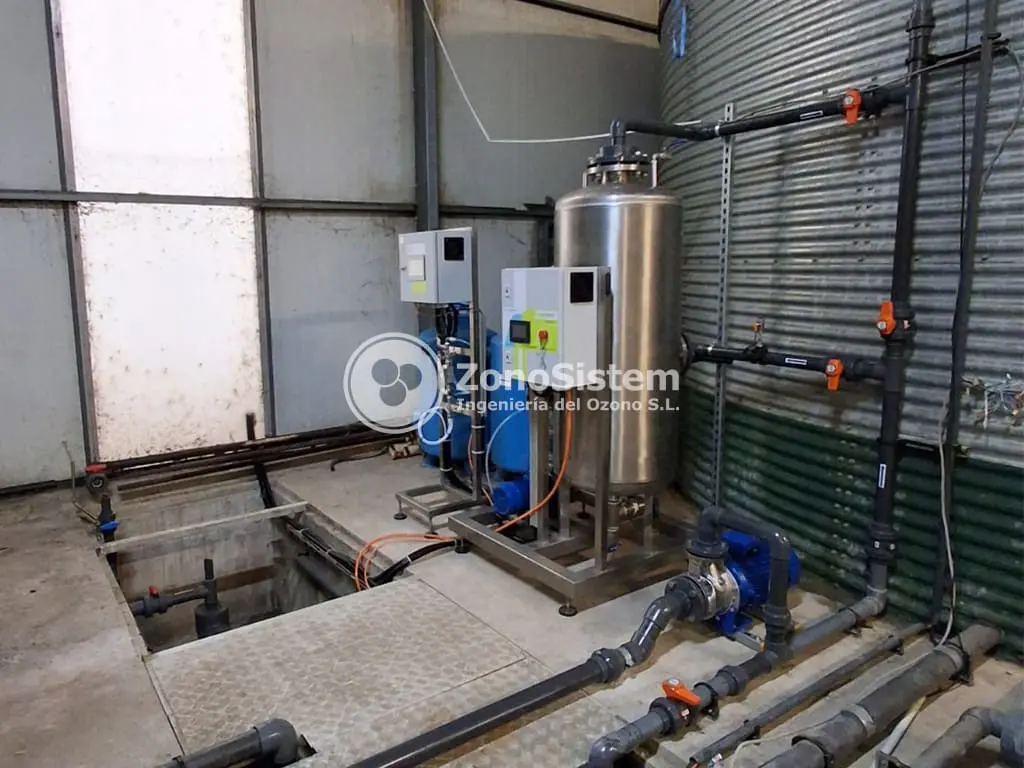
Disinfection of a water tank used for irrigating lettuce. Italy
This project includes a high-capacity ozonation system that injects ozone into the recirculation loop of the main storage tank. The tank receives water from various sources, including surface water, wells and drainage, amongst others. Ozone is undoubtedly a vital tool for ensuring the quality of the water used to irrigate salad crops.
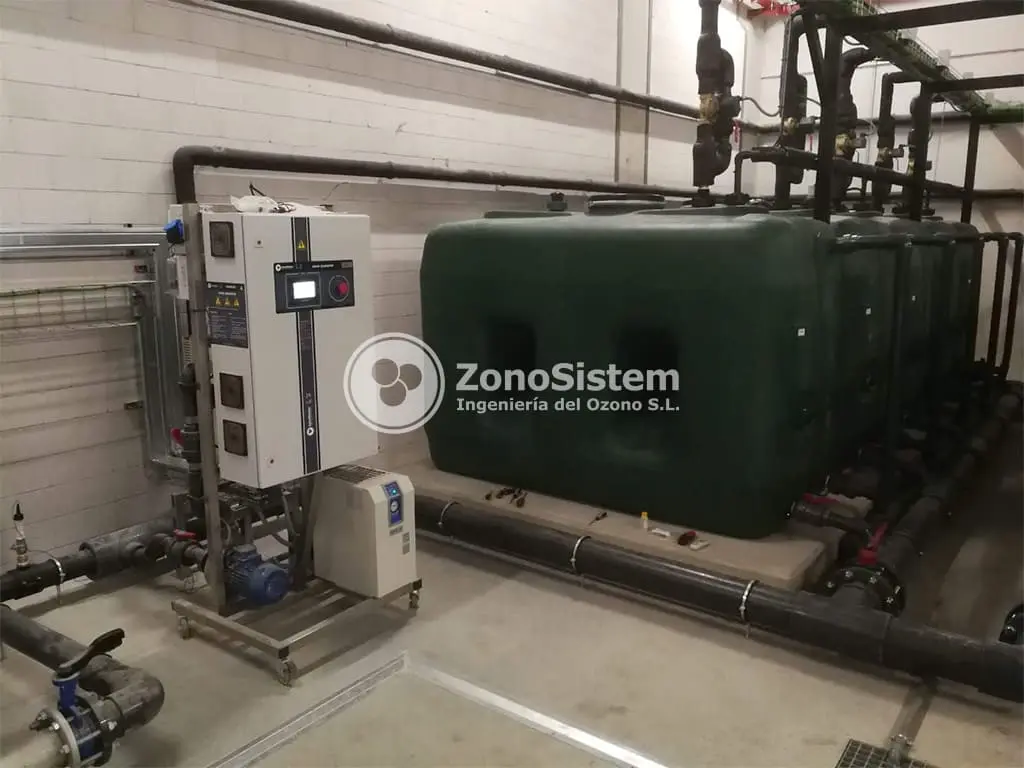
Disinfection of water tanks used for hydroponic cucumber irrigation. Spain
The deployment of an advanced recirculation system for the disinfection of hydroponic irrigation tanks has taken place.
By injecting and precisely measuring ozone, the project ensures that the water is free from pathogens in an automated process. The greenhouse enables rainwater to be reused safely for irrigation.
Disinfection of irrigation tank reservoirs. France.
ZonoSistem has developed this ozone treatment project in France for drainage tanks in strawberry greenhouses, based on recirculation and continuous ozone monitoring.
The system ensures the removal of fungal contamination from the drainage system.
Disinfection of a water tank used for irrigating lettuce. Italy
This project includes a high-output ozonation system that injects ozone into the recirculation system of the main storage tank. The tank receives water from various sources, including surface water, wells and drainage. Ozone is undoubtedly a vital tool for ensuring the quality of the water used to irrigate salad crops. In addition to the industrial-grade ozone generator, the project includes an automatic ozone distribution system that delivers the gas to each of the units that inject ozone into the recirculating water in the tanks.
Frequently Asked Questions about the Use of Ozone in Irrigation Reservoirs
Ozone is a powerful oxidising agent that destroys algae spores and breaks down the organic matter that accumulates on the walls and bottom of the tank (biofilm). By recirculating the water with ozone, the tank is automatically kept clean, preventing this debris from clogging the filters or drippers in the irrigation system.
No, provided that appropriate monitoring and control measures are in place. The ozone injected into the tank has a short half-life and is designed to eliminate pathogens and organic matter. By the time it reaches the irrigation network, the water is disinfected and oxygenated, which may even promote nutrient uptake by the roots by improving the root zone environment.
That is not necessary. Our systems are designed to be installed in an external recirculation loop. The unit draws water from the tank, treats it with ozone and returns it once it has been disinfected. This allows the system to start working immediately without interrupting the irrigation supply or wasting the stored water.