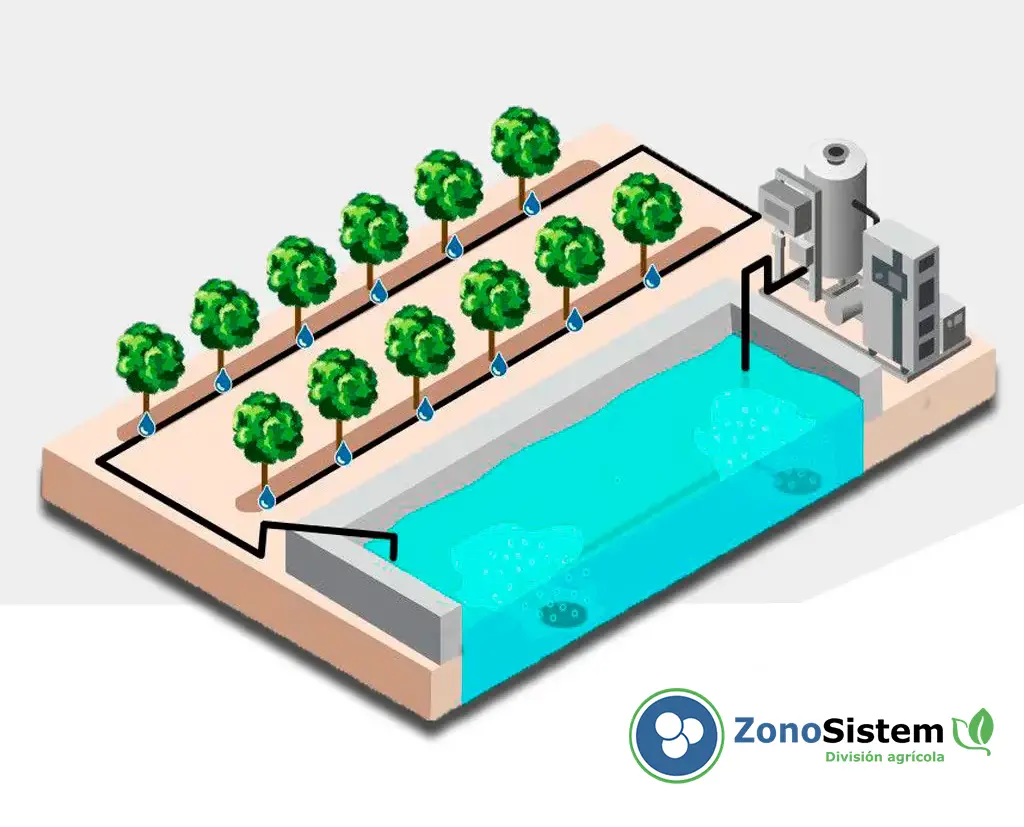
Use of Ozone in Irrigation Ponds
Ozone is a technology that tackles the problem of invasive species in water reservoirs and water supply systems.
Irrigation reservoirs may be contaminated by invasive species that cause serious problems in irrigation pipe systems. Invasive species grow and spread very rapidly, attaching themselves to the surfaces of pipes and pumps, causing blockages and damage to the irrigation system.
It is not only farmers who suffer the serious consequences; farms, nuclear power stations, factory cooling systems and so on are also adversely affected.
The main invasive species is the zebra mussel, which has two reproductive cycles a year and causes problems across almost the entire Iberian Peninsula.
Ozone is a technology that completely eliminates the problem.
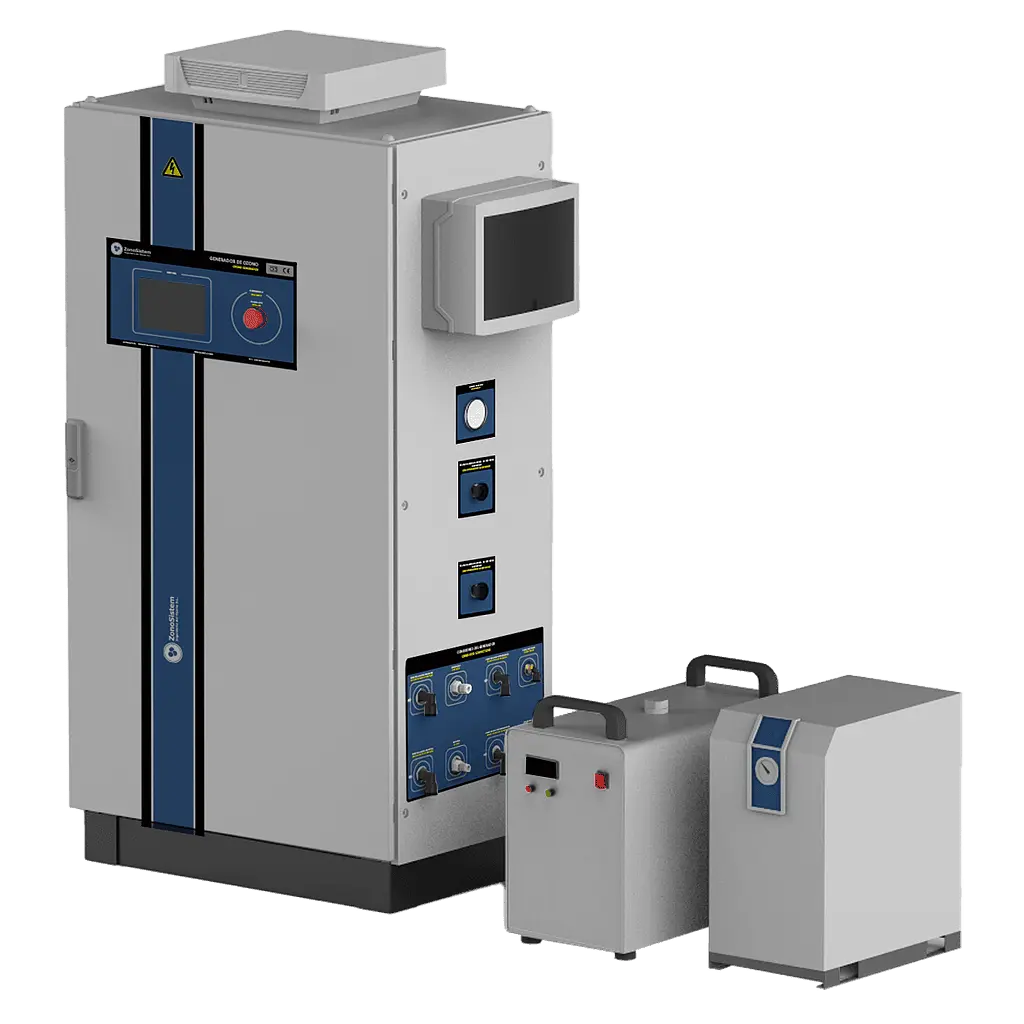
Compact and portable ozone generators for irrigation ponds
Ensure your water is free from invasive species. Prevent blockages.
Advantages and benefits of using ozone in irrigation ponds
Ozone is a powerful oxidant capable of killing bacteria, viruses, fungal spores and other organisms, such as nematode eggs and invasive species including zebra mussels, Asian clams, bryozoans, etc. This leads to blocked pipes, water supply shortages, clean-up operations, crop and water losses in irrigation systems, and an increase in the carbon footprint.
When ozone is introduced into an irrigation reservoir, the gas dissolves in the water and begins to eliminate any organisms present, thereby ensuring the hydraulic system functions correctly.
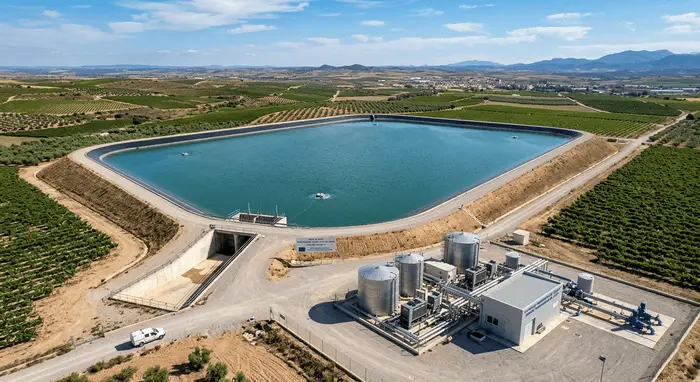
No Chemicals
Ozone is generated in situ using air and electricity, thereby eliminating the need to transport chemicals and saving on operating costs.
No workforce
The system is automatic and autonomous: it generates, injects and regulates ozone without the need for manpower or supervision.
Environmentally friendly
Our generators are environmentally certified: the ozone leaves no residue on the plants, fruit or soil.
Do you have problems with invasive species in your irrigation pond?
Are you experiencing problems with invasive species or persistent blockages in your suction and pumping pipes?
Many farmers and local authorities are seeing their filters become clogged with zebra mussel shells or bryozoans, causing serious damage to the irrigation system and even the total loss of the crop due to a lack of water supply.
At ZonoSistem, as specialists in the design and manufacture of ozone generators, we offer the definitive solution to eradicate these problems at source in a 100% sustainable way. Our ozonisation technology acts as a powerful natural biocide that eliminates larvae and biofilms without the need for harsh chemicals, breaking down into pure oxygen after application.
By integrating our equipment into your irrigation system, you will not only keep your facilities free from biological blockages and reduce maintenance costs, but you will also protect the root health of your plants with more oxygenated water, ensuring efficient, cost-effective production that meets zero-waste requirements.
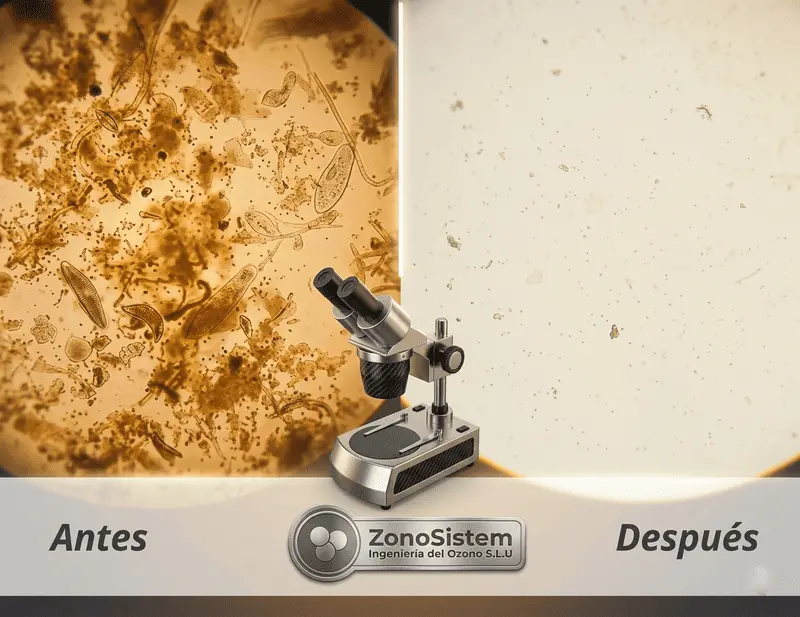
Microscopic examination
Before and after undergoing ozone treatment
The photograph shows dense clumps of algae, which are responsible for the biomass retained by the filter.The photograph shows dense clumps of algae, which are responsible for the biomass retained by the filter.
Following treatment, it can be seen that the ozone has broken down the organic matter present, with only small particles remaining scattered throughout the sample analysed. The diameter of the degraded organic matter allows it to pass through the filter.
Are you experiencing problems with invasive species or persistent blockages in your suction and pumping pipes?
Many farmers and local authorities are seeing their filters become clogged with zebra mussel shells or bryozoans, causing serious damage to the irrigation system and even the total loss of the crop due to a lack of water supply.
At ZonoSistem, as specialists in the design and manufacture of ozone generators, we offer the definitive solution to eradicate these problems at source in a 100% sustainable way. Our ozonisation technology acts as a powerful natural biocide that eliminates larvae and biofilms without the need for harsh chemicals, breaking down into pure oxygen after application.
By integrating our equipment into your irrigation system, you will not only keep your facilities free from biological blockages and reduce maintenance costs, but you will also protect the root health of your plants with more oxygenated water, ensuring efficient, cost-effective production that meets zero-waste requirements.
Microscopic examination
Before and after undergoing ozone treatment
The photograph shows dense clumps of algae, which are responsible for the biomass retained by the filter.The photograph shows dense clumps of algae, which are responsible for the biomass retained by the filter.
Following treatment, it can be seen that the ozone has broken down the organic matter present, with only small particles remaining scattered throughout the sample analysed. The diameter of the degraded organic matter allows it to pass through the filter.
Ozone versus invasive species
Life cycle of the zebra mussel
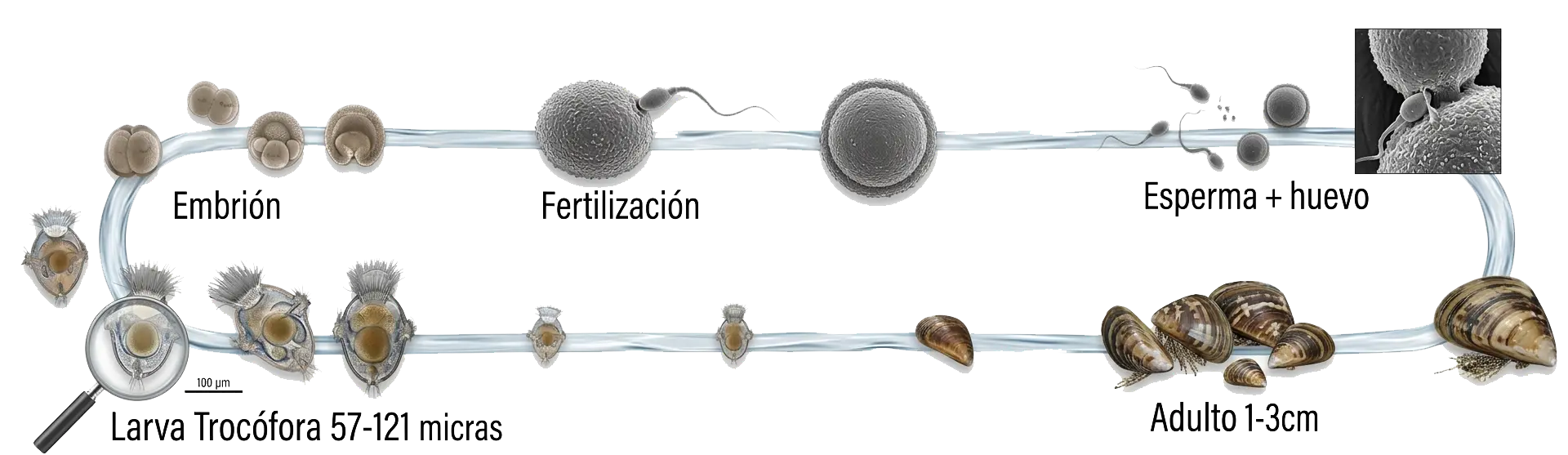
Ozone and by-products
Ozone and its by-products (hydroxyl groups and superoxide ions) are the most oxidising compounds in existence (second only to fluorine).
Contact time
It requires short contact times.
An efficient performance
It acts quickly, effectively and efficiently, leaving no residue whatsoever.
High miscibility
Ozone has a high degree of miscibility, which means it can be mixed in any proportion
Lewis (1993)
It achieved 100 per cent mortality in the larval stage of Dreissena polymorpha at concentrations of 0.5 mg/l over 5 hours, and in adult specimens at 0.5 mg/l over 7–12 days.
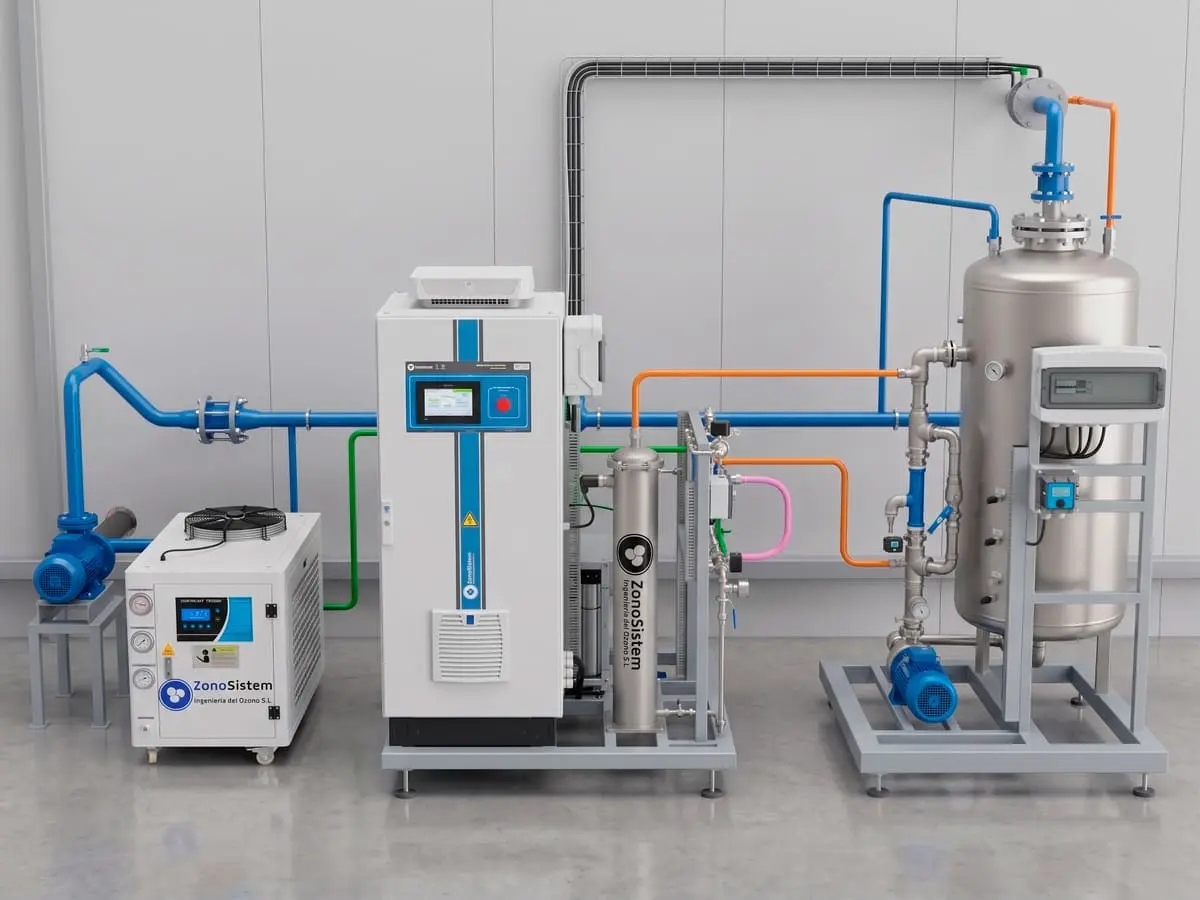
Bespoke Ozone Treatment for Irrigation Ponds
We design, manufacture, install and maintain comprehensive ozone systems for irrigation ponds. These include both fixed and mobile systems.
Contact us
Bespoke Ozone Treatment for Irrigation Ponds
We design, manufacture, install and maintain comprehensive ozone systems for irrigation ponds. These include both fixed and mobile systems.
Contact us
ZonoSistem case studies: disinfecting irrigation ponds with ozone
Ozonation of water supplied to irrigation ponds. Murcia
This project includes a 200g/h ozone generator which treats 100 per cent of the reservoir’s inflow. It ensures the disinfection of the incoming water and prevents contamination of the stored water. Furthermore, among the improvements achieved, the filtration system has been enhanced and blockages in the drippers have been reduced.
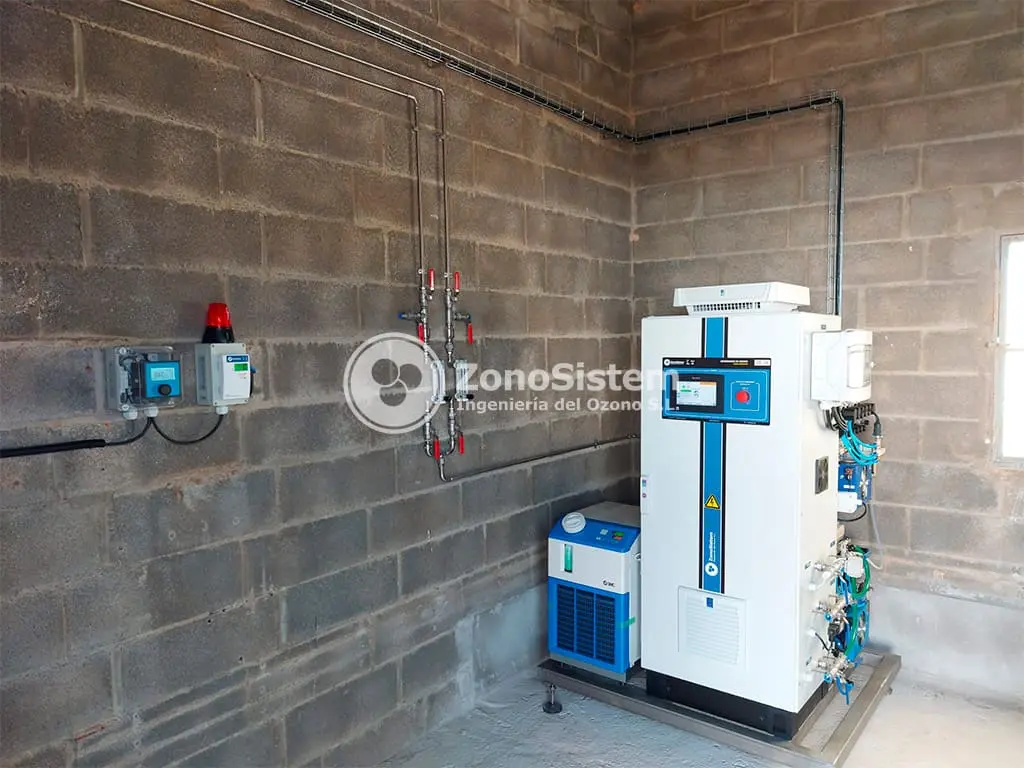
Technical room housing an ozone generator for a pond infested with zebra mussels. Huesca.
This reservoir was suffering from zebra mussel infestations, which were blocking filters and damaging pipes. A comprehensive ozone system was designed with the aim of disinfecting the pump intake area, to ensure the mussels were eliminated and their deployment could take place. The total outflow of water from the reservoir, destined for filtration and irrigation, is free from invasive species, ensuring a reliable supply to the irrigation community.
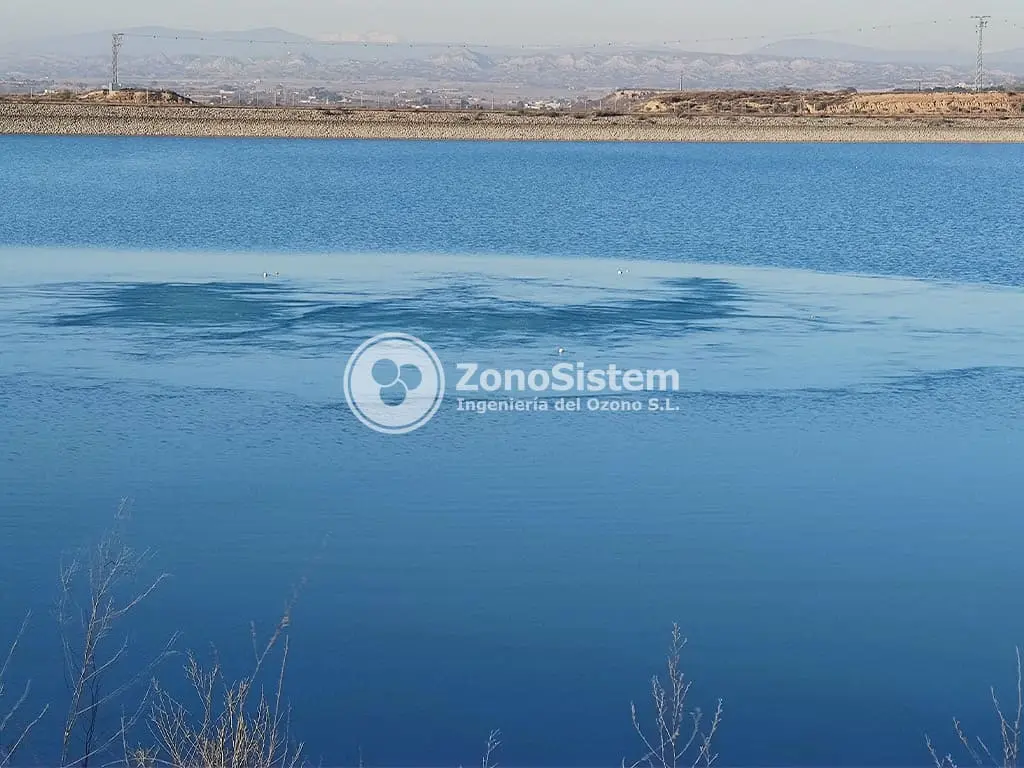
Raft affected by zebra mussel infestation. Spain
This project ensures the removal of invasive species from the catchment area of a reservoir belonging to an irrigation community. It features a barrier-type filtration system, which prevents any larvae from entering and ensures the disinfection and colonisation of the catchment surfaces by mussels.
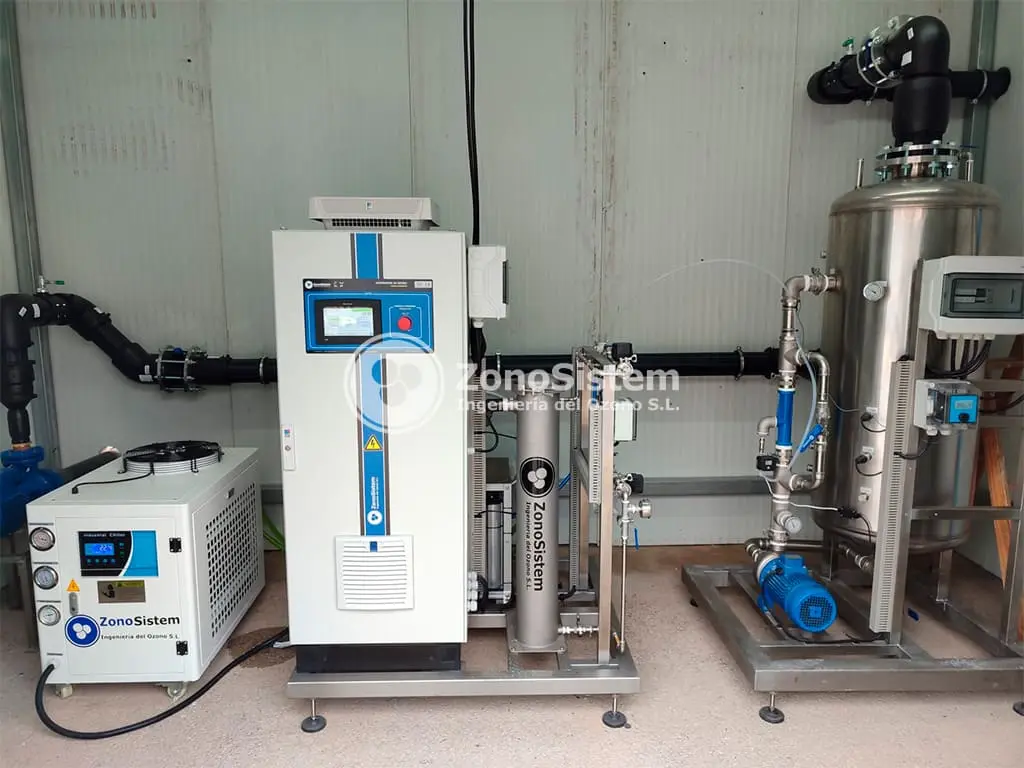
Ozonation of water supplied to irrigation ponds. Murcia.
This project includes a 200g/h ozone generator that treats 100 per cent of the tank’s fill flow rate. It ensures the disinfection of the incoming water and prevents contamination of the stored water. Furthermore, the improvements achieved include enhancements to the filtration system and a reduction in blockages in the drippers.
Technical room housing an ozone generator for a pond infested with zebra mussels. Huesca.
This reservoir was suffering from zebra mussel infestations, which were clogging filters and damaging pipework. A comprehensive ozone system was designed with the aim of disinfecting the pump intake area, to ensure the mussels were eliminated and their deployment could take place. The total outflow from the reservoir, destined for filtration and irrigation, is free from invasive species, thereby guaranteeing the water supply to the irrigation community.
B Raft affected by zebra mussel infestation. Spain
This project ensures the removal of invasive species from the water catchment area of a reservoir belonging to an irrigation community. It features a barrier-type filtration system, which prevents any larvae from entering and ensures the disinfection and colonisation of the catchment surfaces by mussels.
Frequently asked questions about the use of ozone in irrigation ponds
Ozone is used to improve the quality of water stored in irrigation ponds, preventing the proliferation of algae, bacteria and organic matter. Its use helps to keep the water cleaner, reduce odours and prevent the formation of biofilm, which has a direct impact on the improved performance of downstream irrigation systems.
Yes. Ozone is effective in controlling the zebra mussel (Dreissena polymorpha), an invasive species that can colonise ponds and irrigation systems, causing blockages and damage to infrastructure. Its oxidising action affects both larvae (veligers) and juvenile mussels, hindering their attachment and proliferation. When applied continuously and in a controlled manner, ozone helps to prevent the colonisation and spread of this species.
Ozone enables water to be treated without the need for persistent chemicals, as it breaks down into oxygen. This makes it an environmentally friendly solution that is suitable for agricultural use. Furthermore, it improves overall water quality, makes it easier to maintain the facilities and can be easily integrated into existing recirculation or treatment systems.