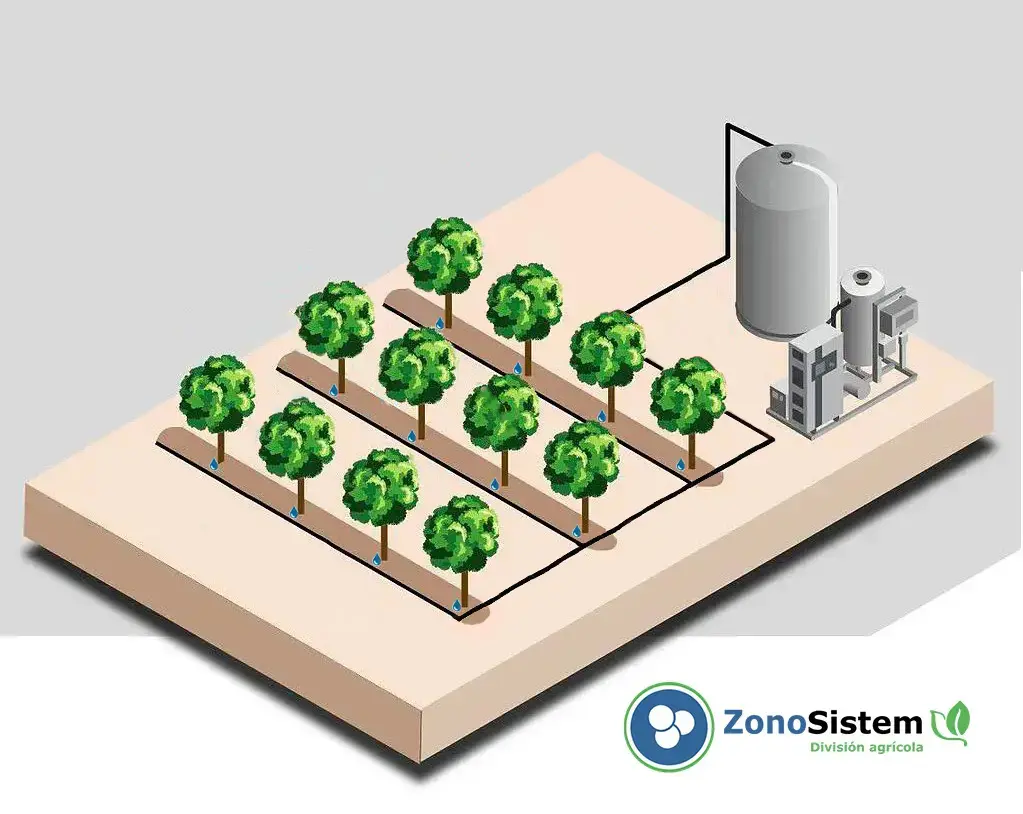
Use of Ozone in Irrigation Systems
Advantages and benefits of using ozone in irrigation pipes. Injecting ozone gas into irrigation pipes offers significant benefits to farmers. This revolutionary technique improves the quality of irrigation water, and your plants will thank you for it. Ozone disinfects the water and the pipes, eliminates pathogens and reduces contaminants; it provides an extra supply of oxygen that your plants will quickly notice, whilst also keeping the pipes free of biofilm, thereby reducing blockages in pipes, drippers and filters. It is a technique that requires no storage of chemicals and saves time on labour.
We’ll help you discover it.
Industrial and professional ozone generators for agricultural irrigation
Ozone disinfection of agricultural irrigation systems
Ozone solutions for all types of soil-based and hydroponic crops

Vineyard
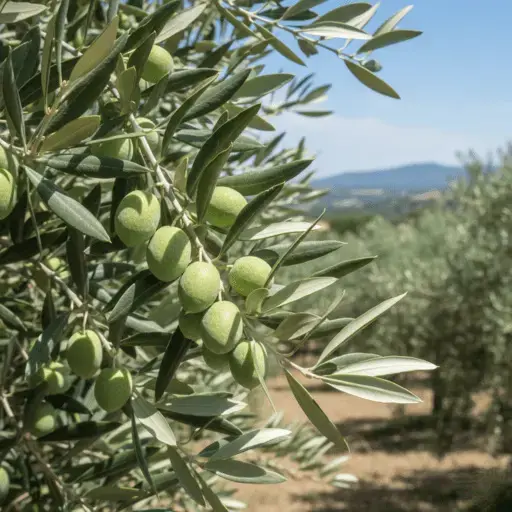
Olive tree
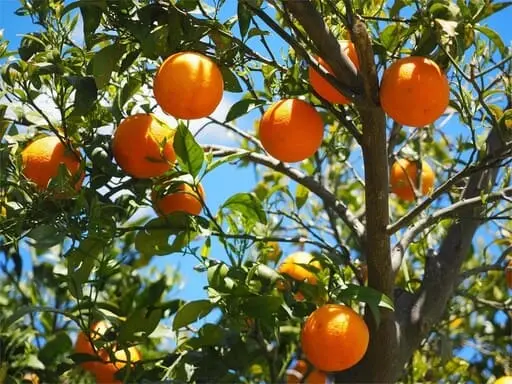
Citrus and fruit trees
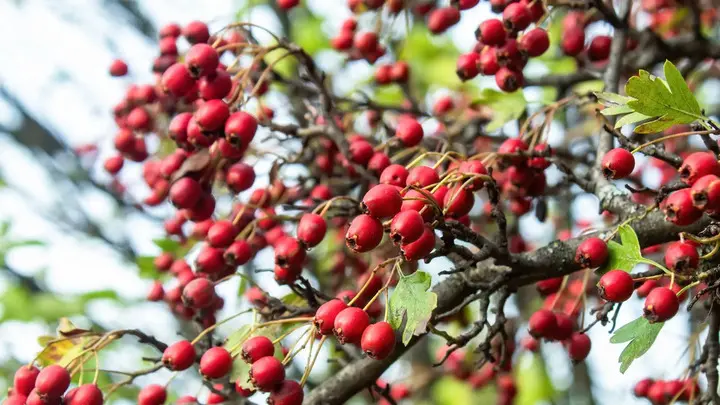
Red berry
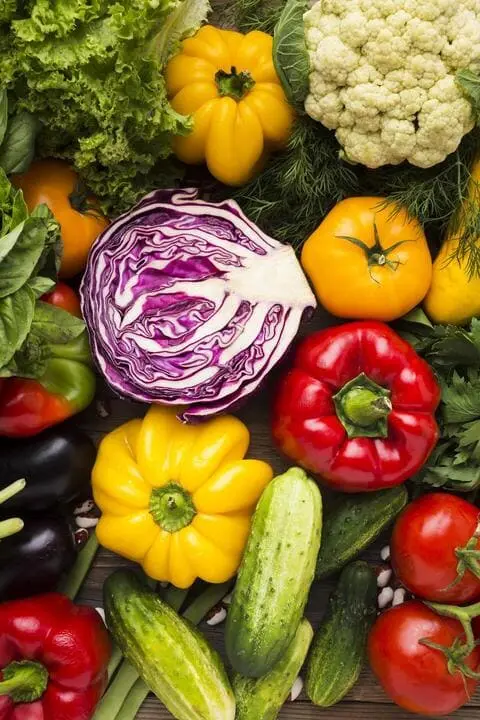
Vegetables

Football pitches and golf courses
Do you want to improve your crop yield?
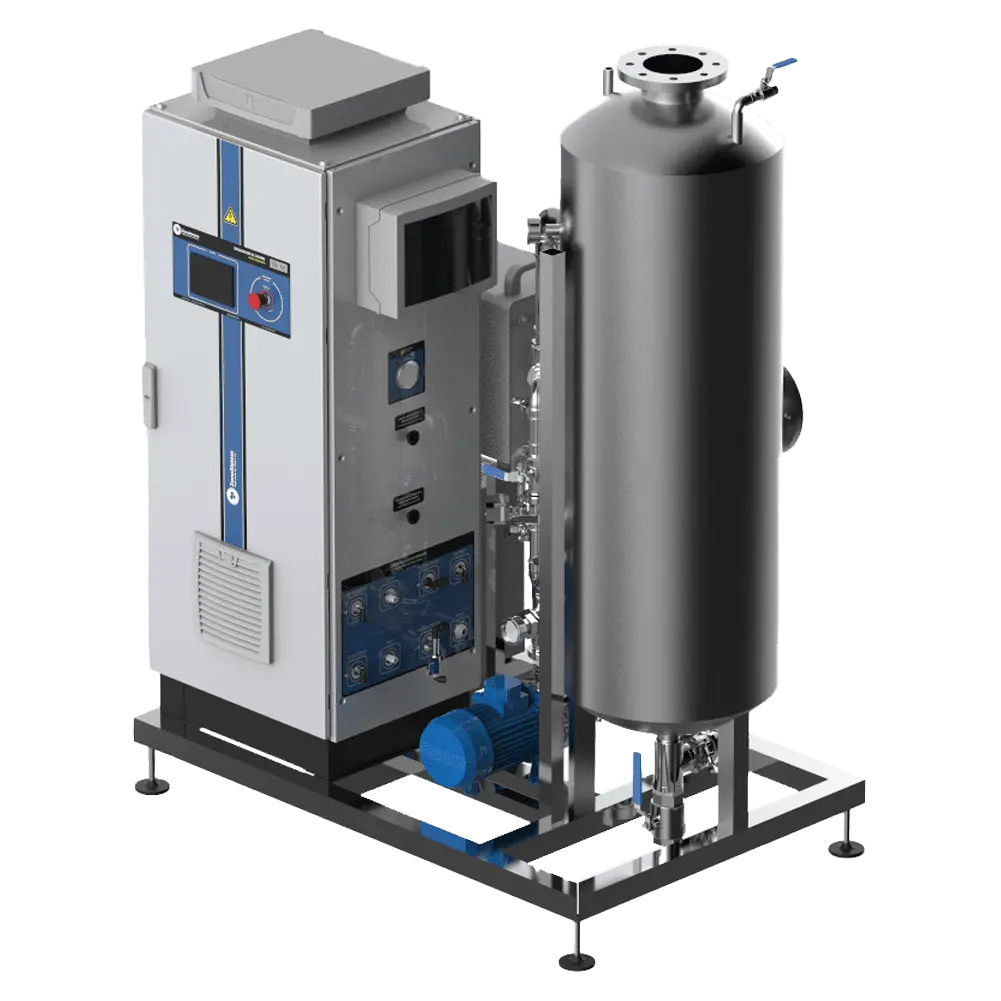
The use of ozone in agricultural irrigation systems improves the quality of irrigation water, even when starting with low-quality water, thereby optimising crop yield from the outset. Ozone acts as a powerful disinfectant that eliminates microorganisms and organic matter, ensuring cleaner and safer water.
The use of ozone in irrigation systems prevents the formation of biofilm in pipes, as well as blockages in filters and drippers, improving irrigation uniformity and reducing maintenance work. Furthermore, it helps to control pathogens responsible for crop diseases, promoting healthier plant growth.
Improvements in water quality and the efficiency of the irrigation system result in a reduction in harvest losses and an increase in productivity. This helps to increase the crop’s profitability by optimising the use of resources such as water, fertilisers and energy.
The deployment of ozone in agricultural irrigation offers a sustainable solution that reduces the use of chemicals, improves crop yields and contributes to more efficient, profitable and environmentally friendly agriculture.
Reasons to water with ozone
Proper ozone treatment in your irrigation system brings significant benefits
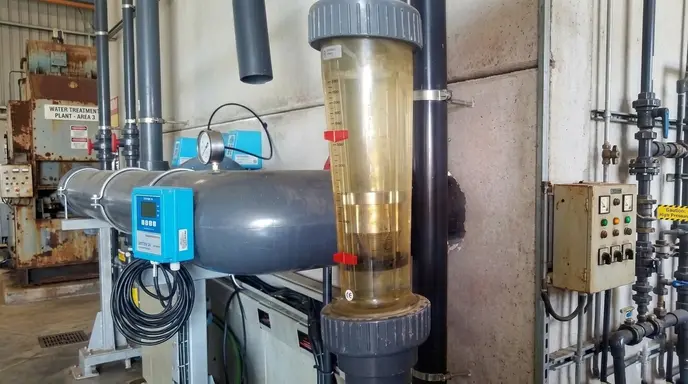
Removes blockages in drippers, pipes and filters
Ozone breaks down organic matter very easily, particularly that which adheres to irrigation pipes. With the right ozone treatment, your pipes will remain free of biofilm, reducing blockages in drippers and filters. Save time and money by reducing blockages in filters and drippers. You’ll see the results within a few days.
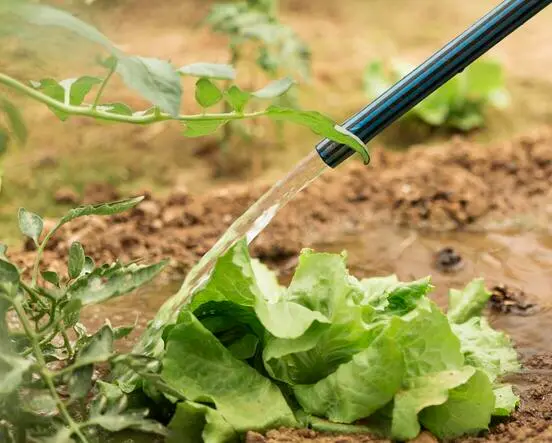
Boost your crop with an extra supply of oxygen and ozone
By injecting ozone into the irrigation pipework, we increase the concentration of dissolved oxygen in the irrigation water, as more than 90 per cent of the injected gas is pure oxygen; furthermore, once the ozone has carried out its function, it is converted back into oxygen. An extra supply of oxygen in your irrigation water will be very beneficial to the plant, giving it greater vigour and energy. You’ll notice the results within a few days of treating the water with ozone.
It reduces the incidence of disease and improves water quality
Ozone is a powerful disinfectant gas which, when mixed with irrigation water, eliminates pathogens and prevents the spread of waterborne diseases to crops. It reduces crop losses and spoilage. Furthermore, ozone reduces COD, BOD, turbidity, colour, odour and suspended solids, as well as dissolved solids; it also oxidises and breaks down organic matter. The quality of your crops depends largely on the quality of the irrigation water.
No chemicals
Ozone is generated in situ using air and electricity, eliminating the need to transport chemicals and saving on operating costs.
No workforce
The system is automatic and autonomous: it generates, injects and regulates ozone without the need for manpower or supervision.
Environmentally friendly
Our generators are environmentally certified: the ozone leaves no residue on plants, fruit or soil.
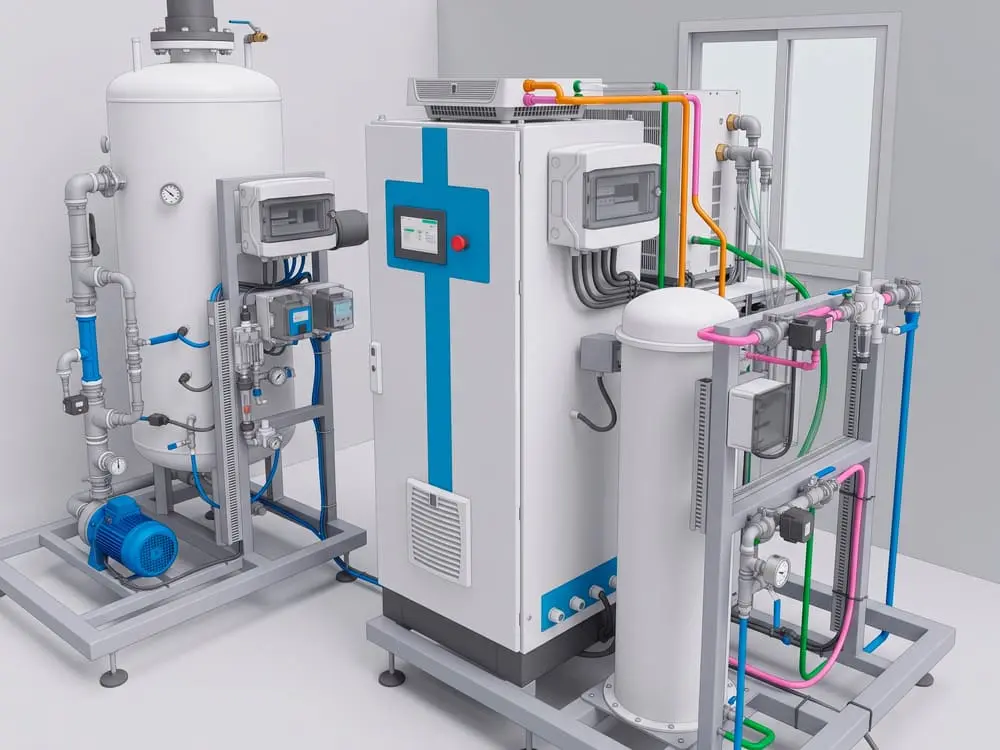
Bespoke Ozone Treatment for Irrigation Systems
We design, manufacture, install and maintain comprehensive ozone systems for all types of irrigation systems. These include drip irrigation for open fields and drip irrigation for greenhouses, both hydroponic and soil-based.
Contact us
Bespoke Ozone Treatment for Irrigation Systems
We design, manufacture, install and maintain comprehensive ozone systems for all types of irrigation systems. These include drip irrigation for open fields and drip irrigation for greenhouses, both hydroponic and soil-based.
Contact us
ZonoSistem projects involving the use of ozone in irrigation systems
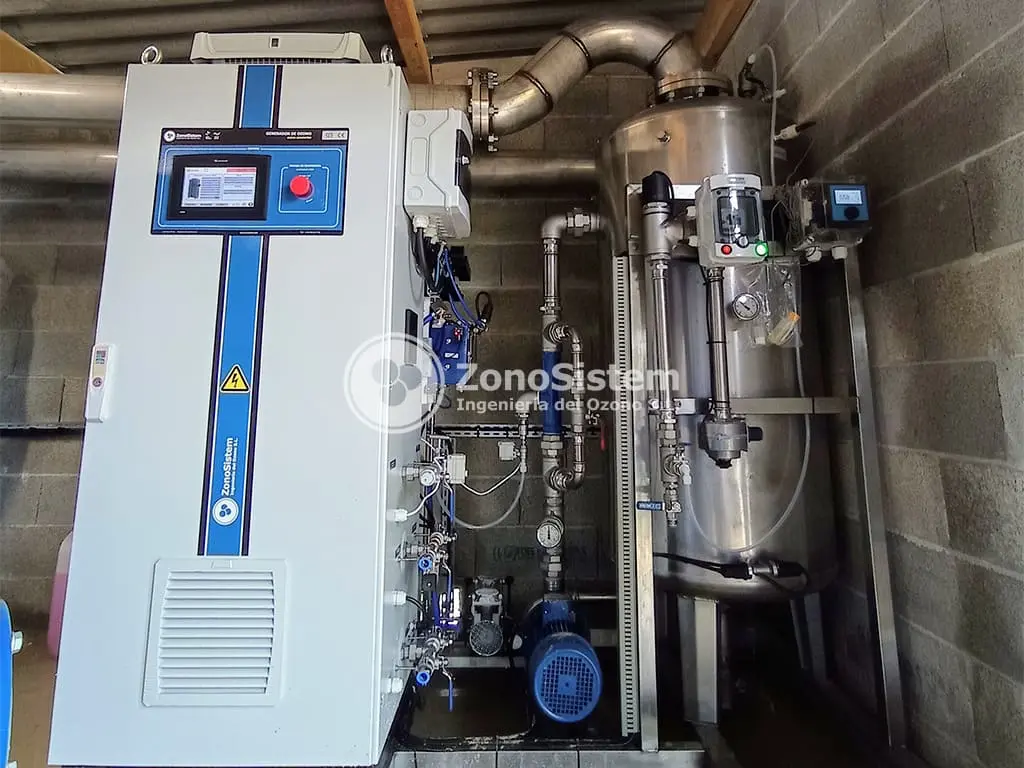
Ozone for irrigation in apple cultivation. France
ZonoSistem has deployed an ozone treatment system for the irrigation of apple trees in France.
The irrigation water comes from a surface pond, which has serious quality issues. Ozone ensures that the water is disinfected and, above all, that it is fully oxygenated until it reaches saturation. This prevents contamination of the crop itself via the water, unblocks the drippers and increases the farm’s productivity.
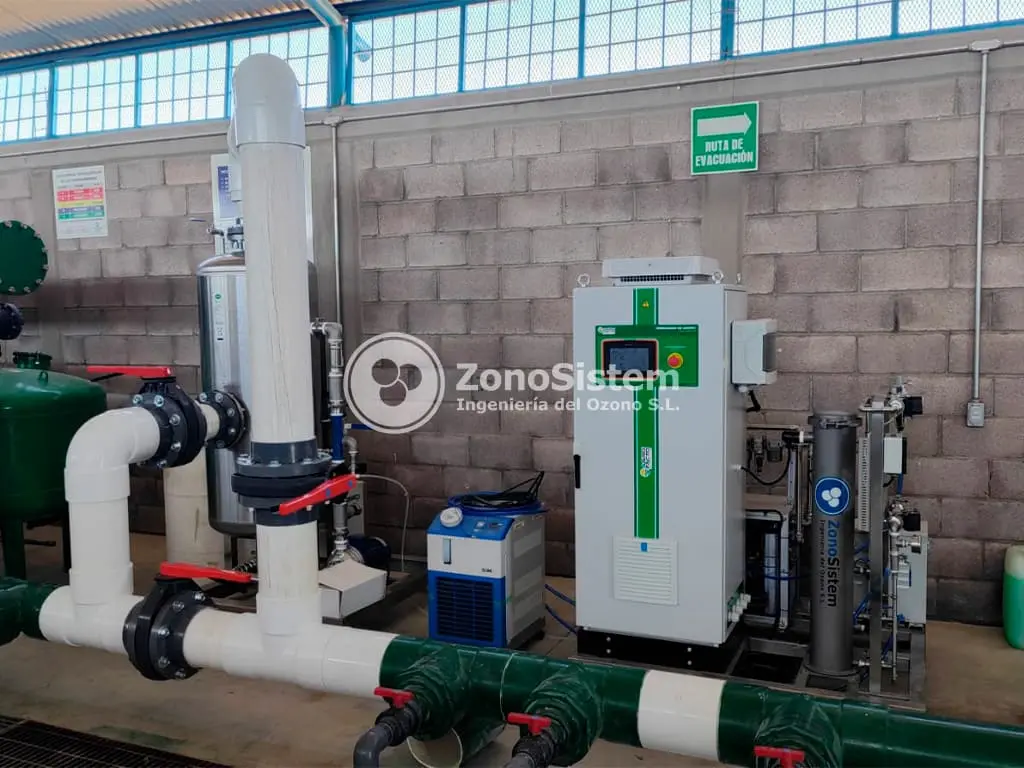
Ozone for irrigation in potato cultivation. Mexico
High-value project. This ozone system treats the irrigation flow for a farm growing garlic and chillies. The flow rate to be treated is 180 m³/h, and the ozone ensures the disinfection of the irrigation water and the 100 per cent removal of biofilm from the pipes. Soil-borne diseases are reduced through the use of ozone, and the system’s productivity increases considerably. To this end, a 500 g/h industrial ozone system has been installed.
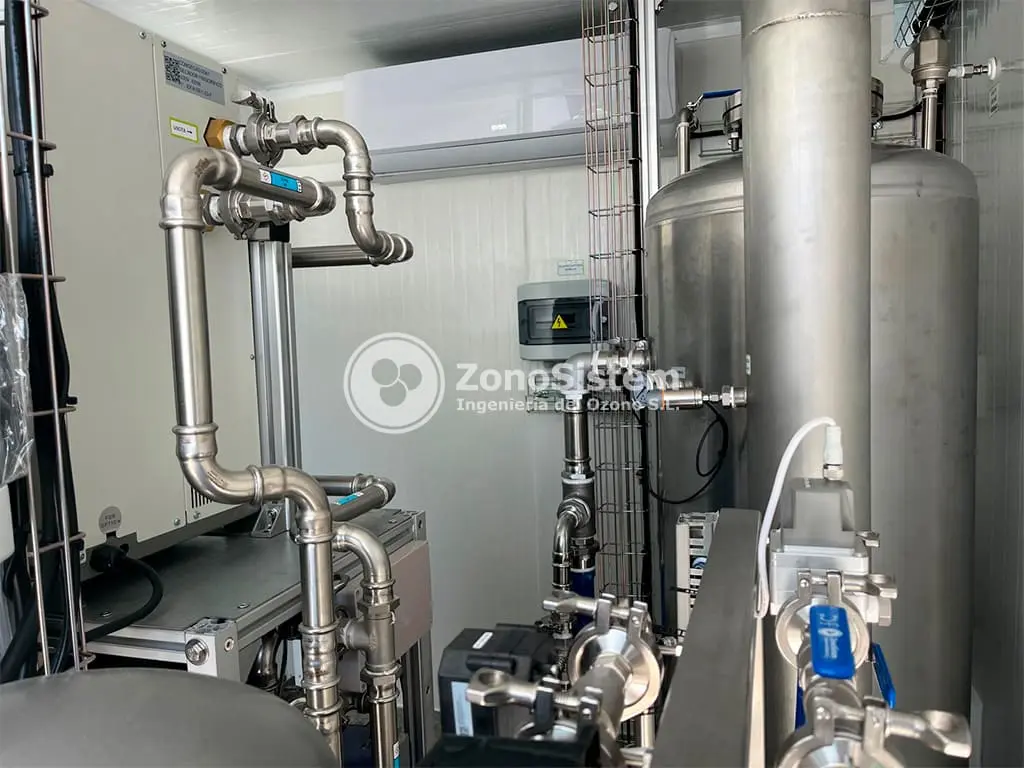
Ozone for irrigation in basil cultivation, Italy
This project includes a ZonoSistem ozone system with an output of 500 g/h for a flow rate of approximately 250 m³/h. The ozone generator and the HIDRO VT water ozone injection system are housed in a compact, self-contained 20-foot container, which can be transported and operated at any of the producer’s farms. The container includes a power generator to enable it to operate off-grid.
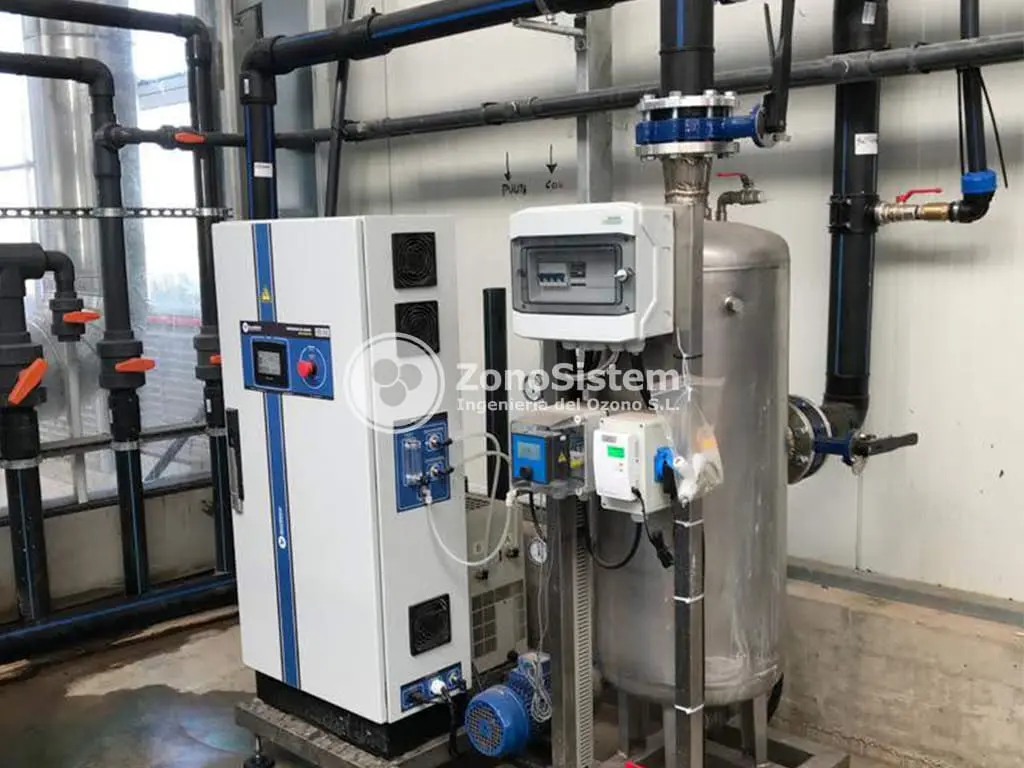
Ozone for irrigation in tomato cultivation. Italy
In Italy, we have deployed ozone systems for tomato irrigation to maximise crop health and fruit quality.
This technology naturally disinfects the water and growing medium, eliminating viruses and bacteria without leaving any residues, thereby enabling highly competitive zero-waste tomato production on the European market. In addition to irrigation with ozonated water, this grower has incorporated other techniques for environmental disinfection of the greenhouse using ozone. The aim is to achieve complete disinfection under vacuum conditions prior to planting.
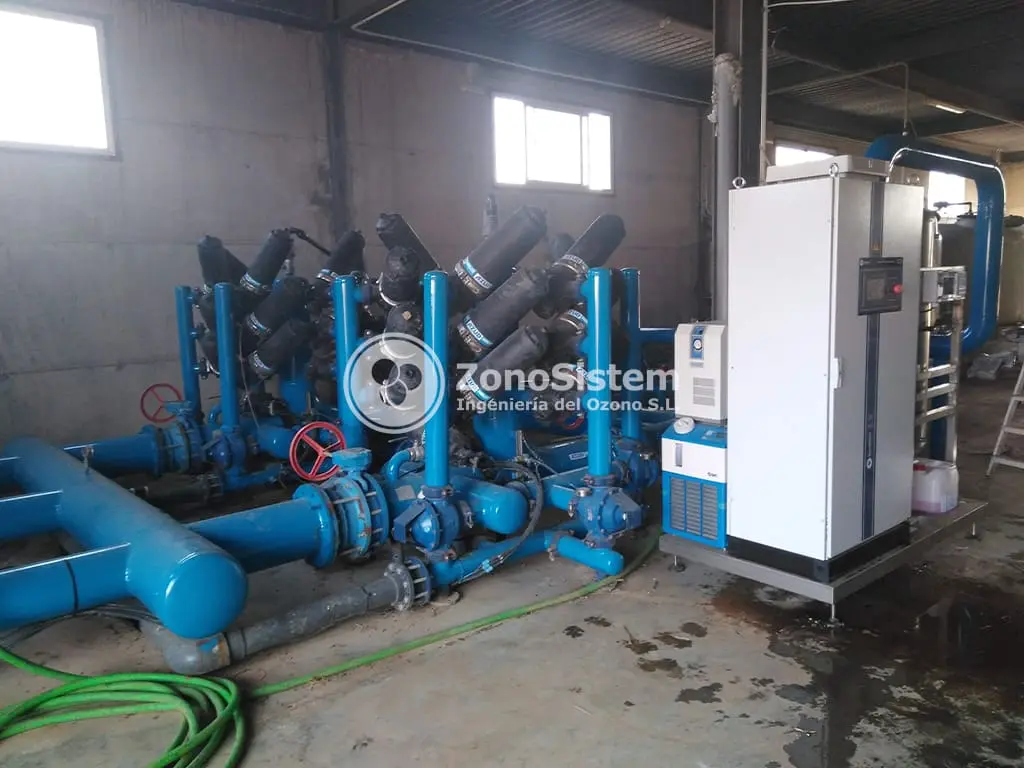
Irrigation of soft fruit, Spain
This project involves an industrial ozone system with an output of over 150 g/h, injected into the irrigation line after the water has been filtered at a soft fruit farm. The purpose of the ozone is to keep the drippers clear of blockages and to disinfect the irrigation water, which comes from an irrigation reservoir containing water of poor quality.
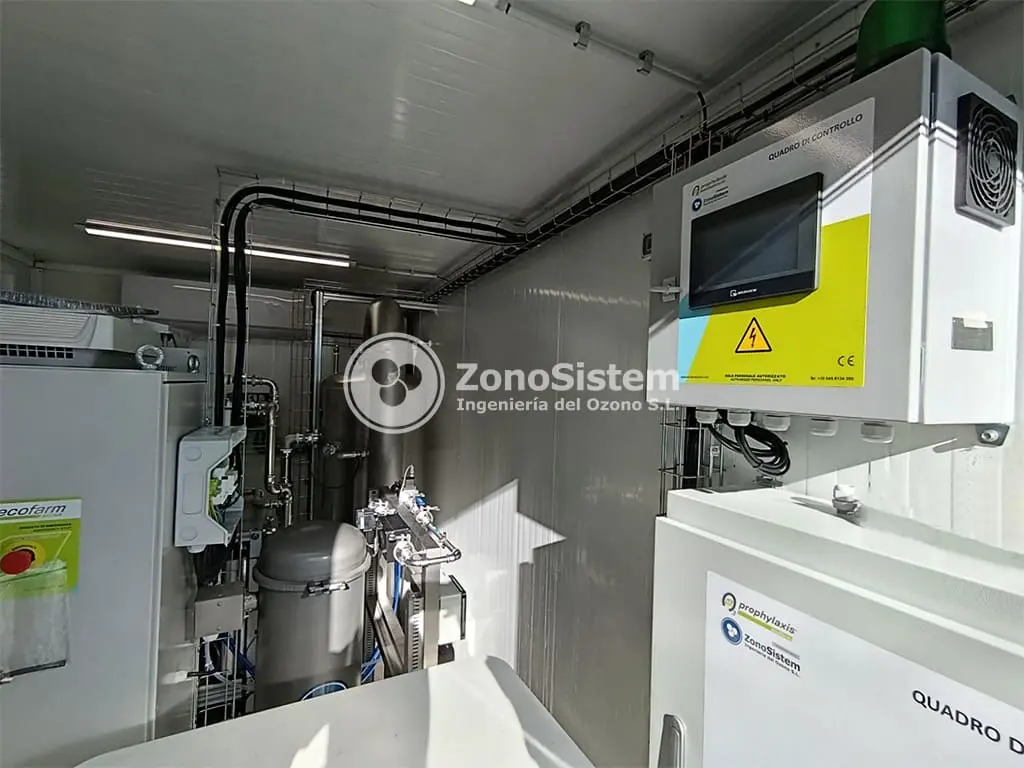
Tomato irrigation, Italy
A portable project, built in a 20-foot shipping container. A self-sufficient system for irrigating 300 m³/h of tomatoes in northern Italy. The system is controlled remotely by the farm operator. The aim is to control greenhouse diseases and increase production.
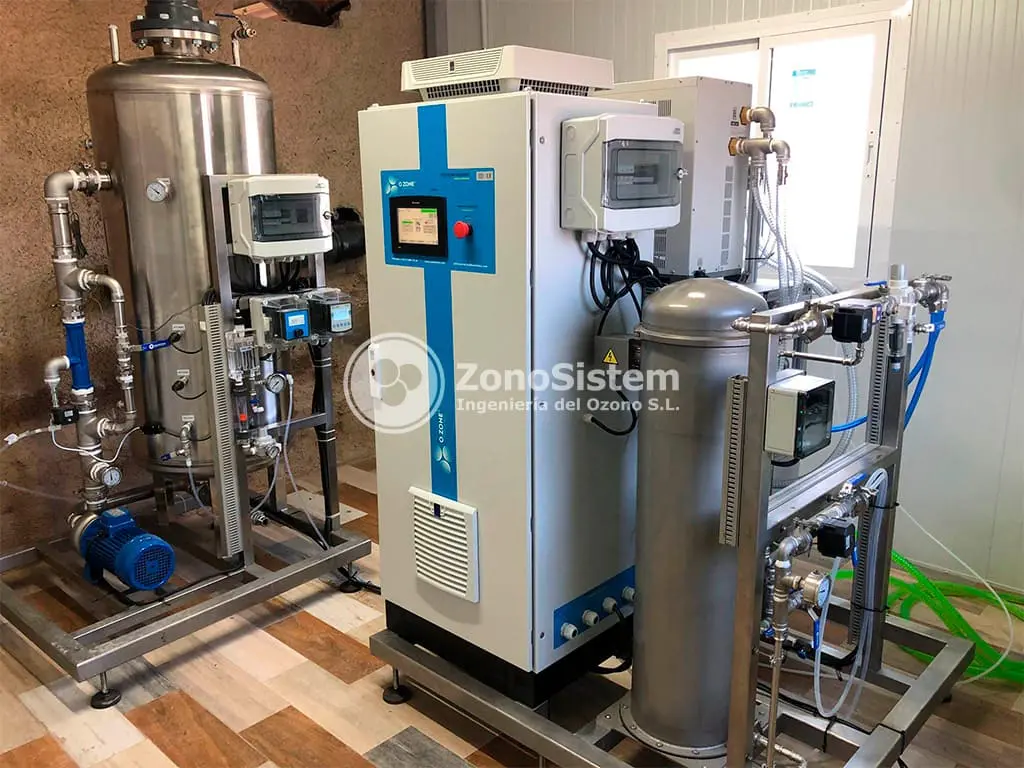
Irrigation of stone fruit trees, Spain
This project has been designed to disinfect the irrigation water for a major cherry orchard. It includes a self-contained 500 g/h ozone generator, capable of treating a flow rate of over 130 m³/h. The aim is to ensure the water is disinfected and to prevent blockages in the drippers. Furthermore, this system is capable of stimulating root growth in the trees and boosting productivity.
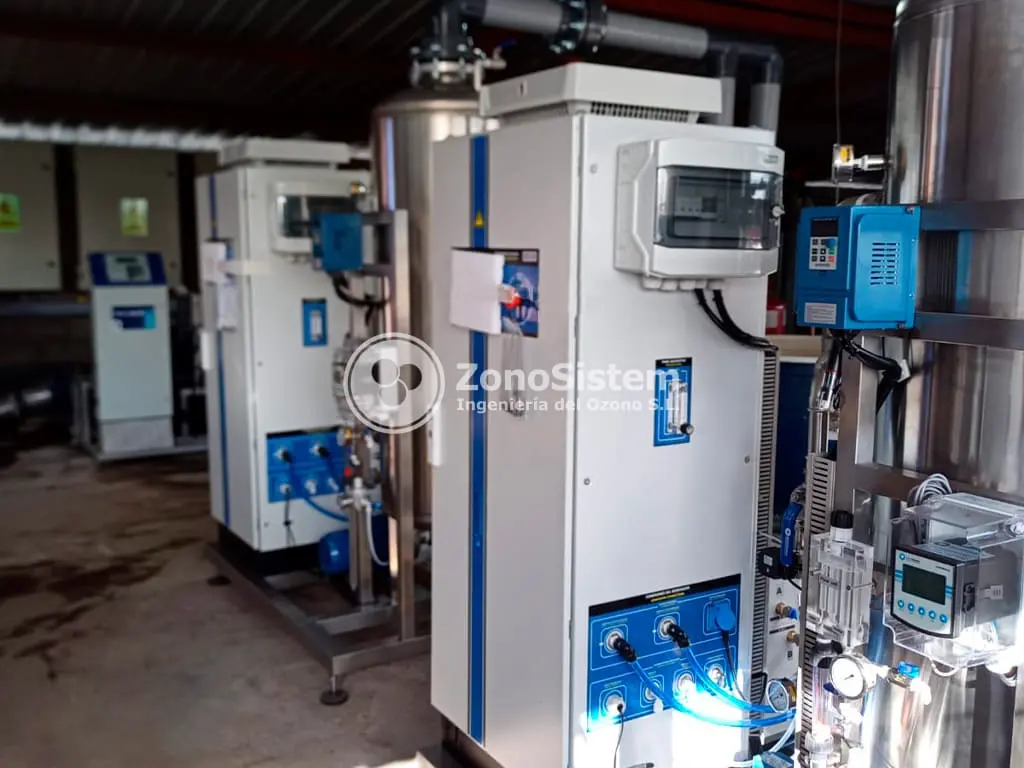
Flower greenhouse irrigation, Ecuador
Ecuador is a major global exporter of cut flowers. The use of ozone, both for hydroponic irrigation and for foliar treatment, is a vital tool for ensuring the control of fungal diseases that affect the quality of cut flowers and provides a significant boost to their growth. This farm features three ozone systems, each with a capacity of 75g/h, injected into pressurised irrigation lines.
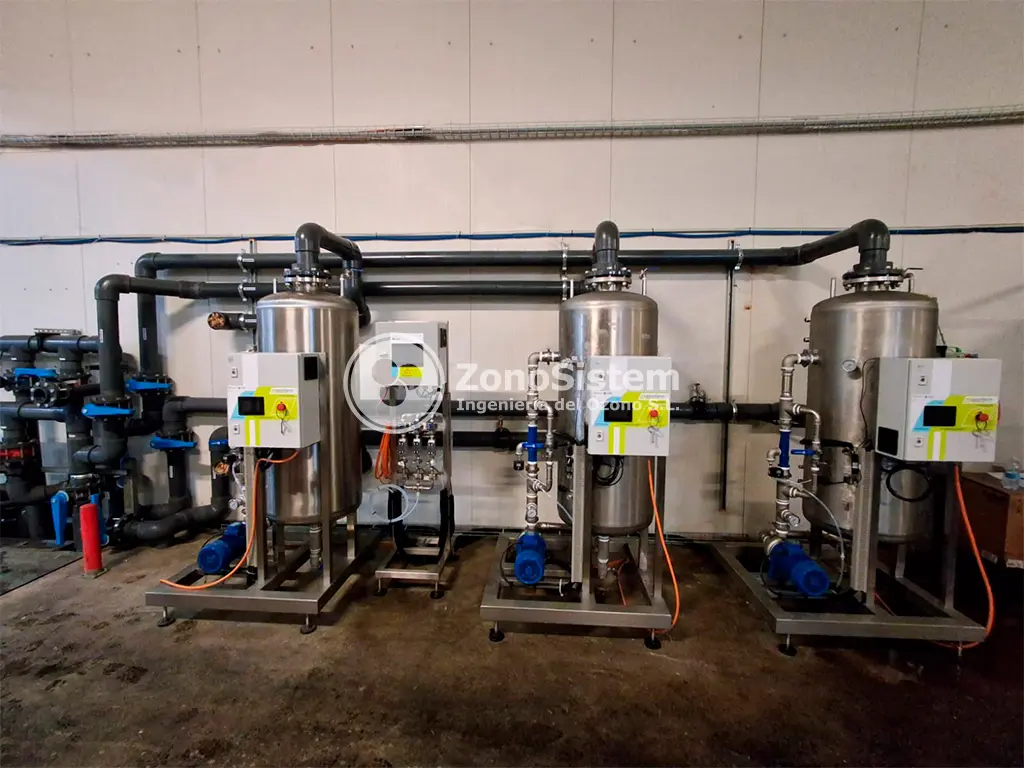
Ozone injection and metering plant. Italy
This project includes a high-output industrial ozone system designed to distribute ozone to three separate irrigation lines. This design reduces the capital outlay whilst ensuring the correct ozone dose is delivered to each of the lines. The entire system is controlled by ozone sensors that regulate the ozonisation output. Guaranteed disinfection of irrigation water.
Ozone for irrigation in apple cultivation. France.
ZonoSistem has deployed an ozone treatment system for the irrigation of apple trees in France.
The irrigation water comes from a surface pond, which has serious quality issues. Ozone ensures that the water is disinfected and, above all, that it is fully oxygenated until it reaches saturation. This prevents contamination of the crop itself via the water, clears blockages in the drippers, and increases the farm’s productivity.
Ozone for irrigation in potato cultivation. Mexico
High-value project. This ozone system treats the irrigation flow for a farm growing garlic and chillies. The flow rate to be treated is 180 m³/h, and the ozone ensures the disinfection of the irrigation water and the 100 per cent removal of biofilm from the pipes. Soil-borne diseases are reduced through the use of ozone, and the system’s productivity increases considerably. To this end, a 500 g/h industrial ozone system has been installed.
Ozone for irrigation in basil cultivation, Italy
This project includes a ZonoSistem ozone system with a production rate of 500 g/h for a flow rate of approximately 250 m³/h. The ozone generator and the HIDRO VT water ozone injection system are housed in a compact, self-contained 20-foot container, which can be transported and operated at any of the producer’s farms. The container includes a power generator to enable it to operate off-grid.
Ozone for irrigation in tomato cultivation. Italy.
In Italy, we have deployed ozone systems for tomato irrigation to maximise crop health and fruit quality.
This technology naturally disinfects the water and growing medium, eliminating viruses and bacteria without leaving any residues, thereby enabling highly competitive, zero-waste tomato production on the European market. In addition to irrigating with ozonated water, this grower has incorporated other techniques for disinfecting the greenhouse environment using ozone. The aim is to achieve complete disinfection under vacuum conditions prior to planting.
Irrigation of soft fruit, Spain
This project involves an industrial ozone system with an output of over 150 g/h, injected into the irrigation line following filtration at a soft fruit farm. The purpose of the ozone is to keep the drippers clear of blockages and to disinfect the irrigation water, which comes from an irrigation reservoir with poor water quality.
Tomato irrigation, Italy
A portable project, built in a 20-foot shipping container. A self-sufficient system for irrigating 300 m³/h of tomatoes in northern Italy. The system is controlled remotely by the farm operator. The aim is to control greenhouse diseases and increase production.
Irrigation of stone fruit trees, Spain
This project has been designed to disinfect the irrigation water for a major cherry orchard. It includes a self-contained 500 g/h ozone generator, capable of treating a flow rate of over 130 m³/h. The aim is to ensure the water is disinfected and to prevent blockages in the drippers. Furthermore, this system is capable of stimulating root growth in the trees and boosting productivity.
Irrigation of a flower greenhouse, Ecuador
Ecuador is a major global exporter of cut flowers. The use of ozone, both for hydroponic irrigation and for foliar treatment, is a key tool for ensuring the control of fungal diseases that affect the quality of cut flowers and provides a significant boost to their growth. This farm features three ozone systems, each with a capacity of 75g/h, injected into pressurised irrigation lines.
Ozone injection and metering plant. Italy
This project includes a high-output industrial ozone system designed to distribute ozone to three independent irrigation lines. This design reduces the capital outlay whilst ensuring the correct ozone dose is delivered to each line. The entire system is controlled by ozone sensors that regulate the ozonisation output. Guaranteed disinfection of irrigation water.
Frequently Asked Questions about the Use of Ozone in Irrigation Systems
Ozone is used to improve the quality of irrigation water by eliminating bacteria, fungi and other pathogens that can affect crops. It also helps to oxidise organic matter and unwanted compounds, which helps to keep the system clean and prevent health problems in agricultural production.
Yes. Ozone reduces the formation of biofilm, algae and scale in irrigation pipes and emitters. This helps to maintain a more consistent flow rate, improve the system’s efficiency and reduce maintenance work, whilst preventing blockages that can affect the uniform growth of crops.
No, provided it is used in a controlled manner. Ozone breaks down rapidly into oxygen, so it leaves no chemical residues in the water or soil. When used correctly, it helps to improve the quality of irrigation water without any adverse effects on crops, and may even promote a cleaner root environment.