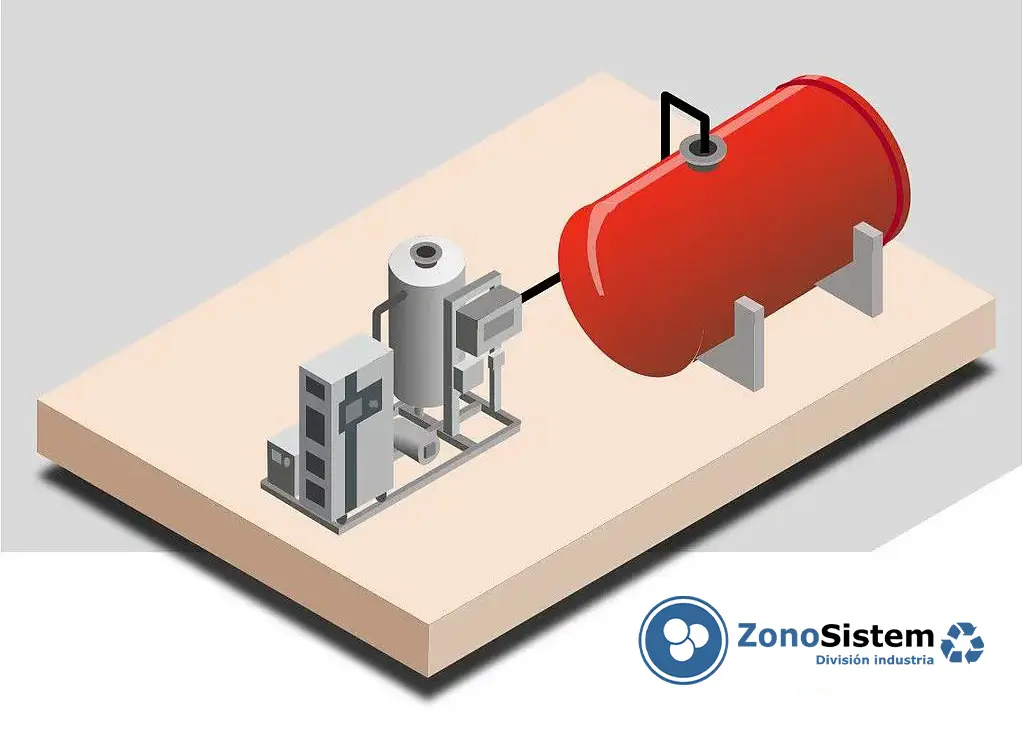
Use of ozone in fire-fighting water storage tanks
Fire-fighting water tanks are reservoirs of water where microorganisms as dangerous as Legionella can grow and multiply, and where biofilm can form in pipes and drainage systems. Chlorine is traditionally the most widely used method of disinfection; however, as it is a packaged chemical product, it requires a continuous supply, including ordering, receipt, storage, measures to prevent potential spills, transport to the point of use, connection, etc.
Ozone is a truly effective and efficient method for sanitising and disinfecting tanks, reservoirs, pipework and the water itself. Ozone is generated on-site, so there is no need to transport, store or manage it. The ozone generator extracts oxygen from the air, converts it into ozone via electrical discharges, and injects it into the water in the tank via its injection and contact system. The system only requires a power socket and to be connected to the tank you wish to treat. The system operates fully automatically, without the need for manual labour.
Ozone generators for fire-fighting water tanks
Disinfect and maintain the hygiene of the fire tank using ozone in an automatic and controlled manner
Avoid chlorine, and save space and time
Ozone is generated on-site; there is no need to store or transport chemicals
Avoid unnecessary spillage and water wastage, and protect the environment
The system is automated; no manual labour is required to operate it
Are you having problems with the water in your fire-fighting tank?
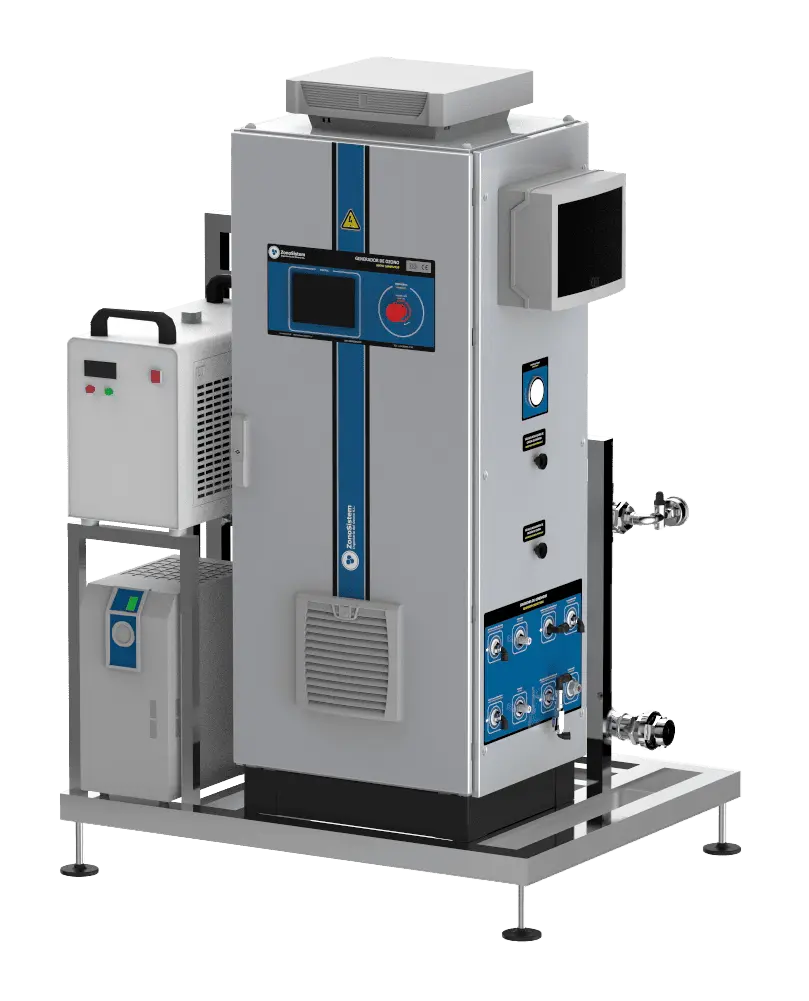
The disinfection of fire-fighting tanks is essential to prevent health risks such as the proliferation of Legionella and the formation of biofilm in tanks and pipework. These problems can compromise the quality of the stored water and pose risks to health and to the proper functioning of the facilities.
Traditional disinfection systems tend to require a significant amount of time, financial resources and space for the storage of chemicals, as well as ongoing management to ensure their safe handling and control. All of this increases the operating costs and the complexity of maintaining water systems.
The deployment of advanced water disinfection solutions for fire-fighting tanks makes it possible to effectively control hygiene levels, eliminate biofilm and reduce the presence of microorganisms such as Legionella, whilst optimising maintenance time and the management of chemicals.
This approach improves the safety of stored water, reduces operating costs and enables more efficient and sustainable monitoring of water quality in reservoirs and distribution networks.
Benefits of using ozone in fire-fighting water tanks

Maximum disinfection
Water in fire-fighting tanks becomes contaminated easily, and there is a risk of a Legionella outbreak. This is why continuous disinfection is necessary. Ozone is a powerful disinfectant that easily eliminates all types of microorganisms, such as viruses, bacteria, fungi and mould, from water and pipework.
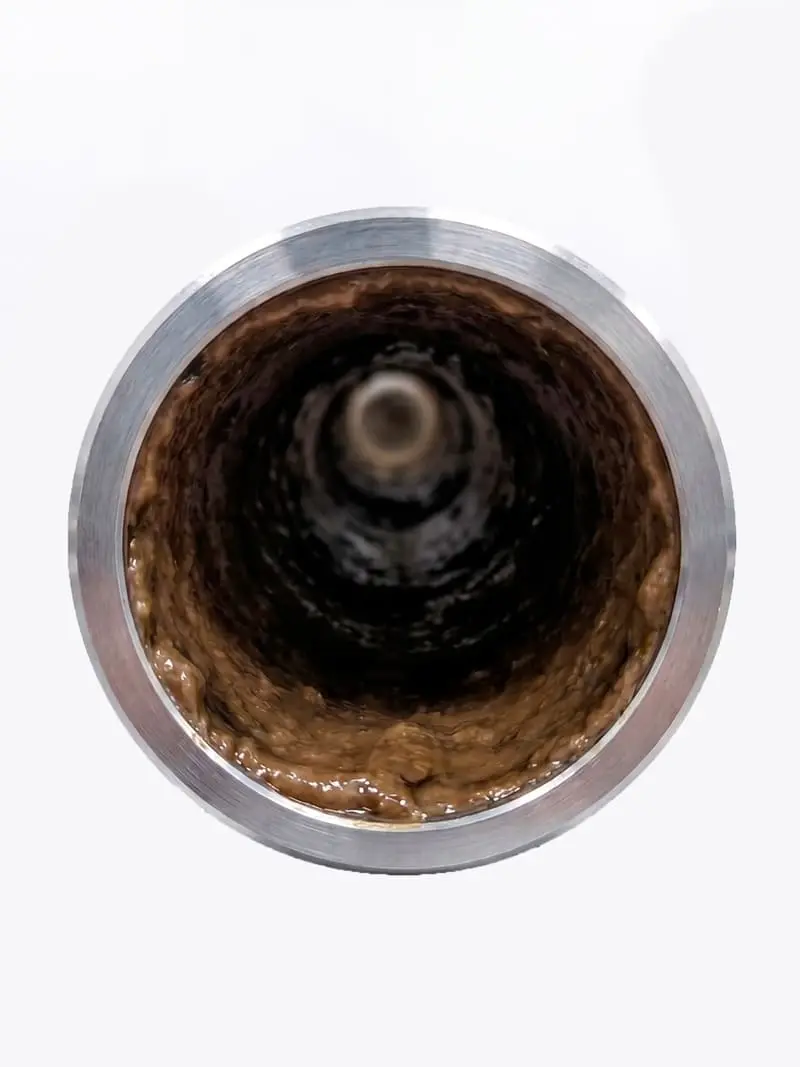
Removes Biofilm
Biofilm forms in the pipes and tanks, causing serious problems with microbiological contamination and reduced flow rates. As it passes through, ozone quickly and effectively removes biofilm from the pipes of fire-fighting tanks. It can both rectify an existing problem and effectively prevent it from occurring.

Maximum Control
It is important to keep a record of the hygiene levels achieved in the tank throughout the day, so as to verify that there is not, and has not been, any possibility of micro-organisms being able to grow and cause an outbreak. This hygiene level can be measured using a redox meter or, alternatively, by measuring dissolved ozone directly.
No manual labour, fully automatic
The system automatically generates and injects ozone into the tank, without the need for manual labour. It simply requires connection to the tank and a power socket.
No storage of chemicals
Ozone is generated on-site and applied immediately, so it does not require the storage or handling of chemicals, eliminates the need for transport and reduces the carbon footprint.
Biocide recognised by ECHA
Ozone is included on the European Chemicals Agency’s (ECHA) list of biocides, and ZonoSistem holds all the necessary documentation to ensure its proper authorisation and use
Ozone Treatment in Fire Water Tanks
We design, manufacture, install and maintain comprehensive ozone systems for the cleaning, disinfection and preservation of water in fire-fighting tanks. Ozone generators to prevent biological growth and eliminate odours caused by stagnant water in pipes.
Contact us
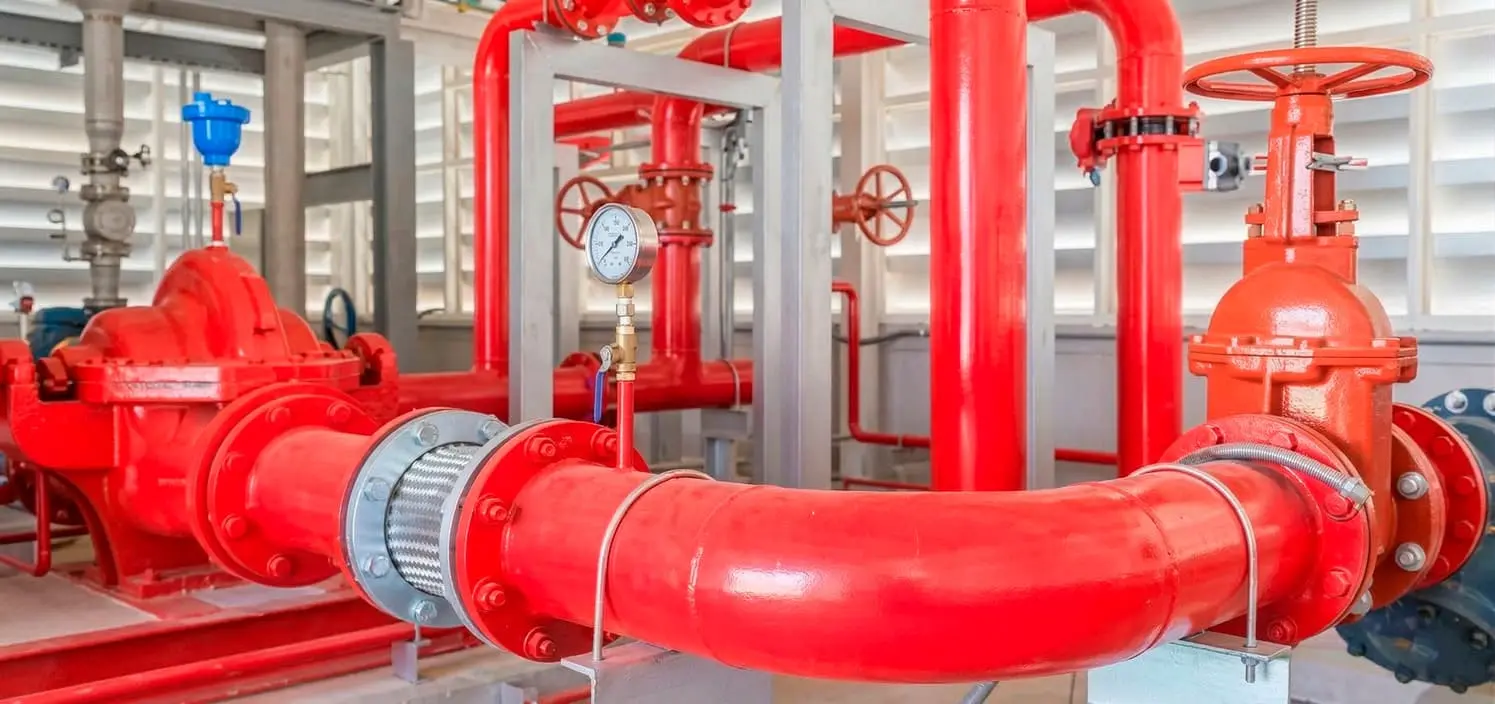
Ozone Treatment in Fire Water Tanks
We design, manufacture, install and maintain comprehensive ozone systems for the cleaning, disinfection and preservation of water in fire-fighting tanks. Ozone generators to prevent biological growth and eliminate odours caused by stagnant water in pipes.
Contact us
Frequently asked questions about the use of ozone in fire-fighting water tanks
Water stored in fire-fighting tanks often remains unchanged for long periods, which encourages the proliferation of bacteria and algae and the formation of biofilm on the tank walls and in the pipework. The use of ozone helps to maintain the water in hygienic conditions, preventing unpleasant odours, turbidity and biological build-up that can affect the proper functioning of pumps, valves or pressure systems. The Fire Protection Installations Regulations (RIPCI) do not require disinfection; they only require maintenance and testing to ensure that everything is working properly. For new fire-fighting tank projects, it is recommended to incorporate on-site disinfection systems such as ozone, as well as to design recirculation systems with filtration to trap sludge and prevent blockages.
Yes, ozone certainly prevents the build-up of sludge, as it is a powerful oxidising agent capable of eliminating microorganisms and breaking down organic matter present in the water. Its controlled application prevents the proliferation of algae, bacteria and other organisms that can cause sludge or scale to build up at the bottom of the tank, helping to keep the system clean and reducing maintenance requirements.
Ozone is generated on-site and breaks down rapidly into oxygen, so it leaves no chemical residues in the water. This helps to maintain the quality of the stored water without affecting its use should the fire-fighting system be activated, and without the need to add persistent chemicals.