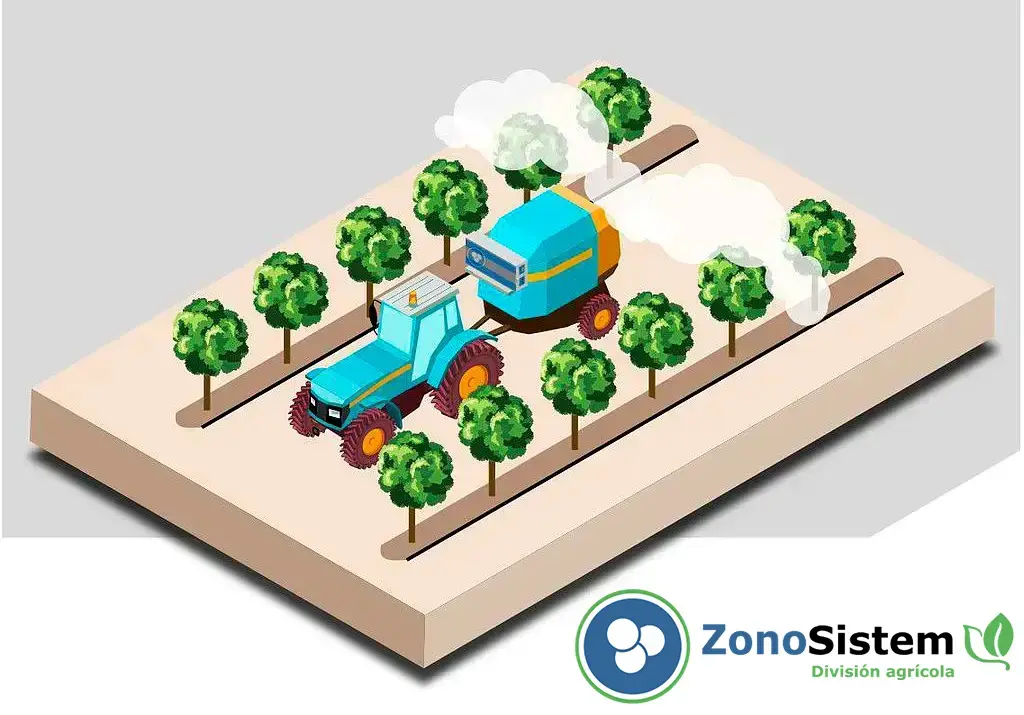
Use of ozone for foliar treatment via a sprayer
Installing a professional ozone generator in the sprayer will enable you to produce highly ozonised water, which you can use to carry out foliar treatments on your crops, reducing the use of plant protection products and minimising the environmental impact. The use of ozone in foliar treatments is a crop sanitisation technique that is revolutionising agriculture. The benefits it offers farmers, combined with its ease of use and low running costs, make it a wonderful tool for reducing and preventing diseases, saving money and boosting crop yields. ZonoSistem has extensive experience in designing ozone generators for agriculture. Below, we will explain how this is done.
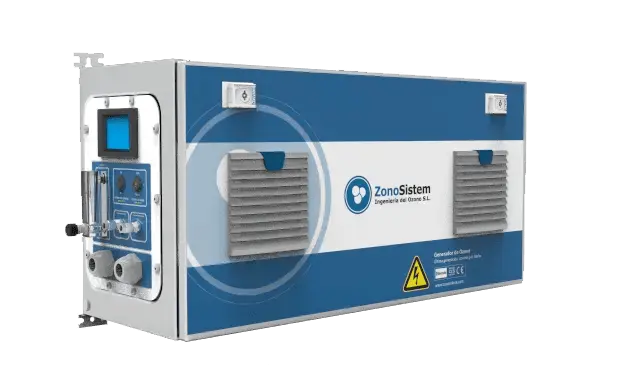
Agricultural foliar ozone generators
Ozone foliar treatment for agriculture
Foliar treatments for all types of crops
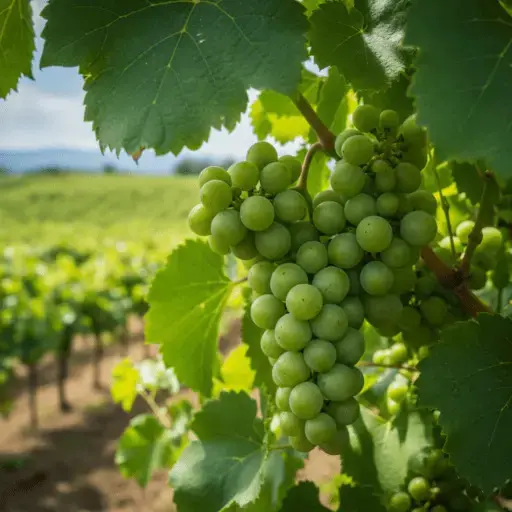
Vineyard
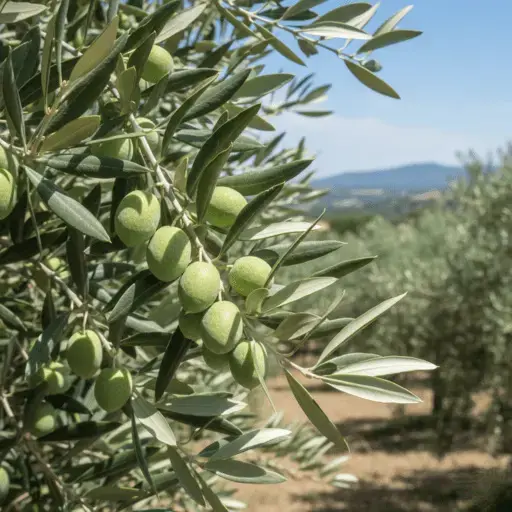
Olive tree
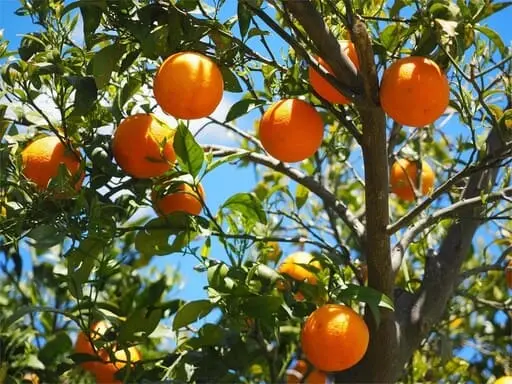
Citrus and fruit trees
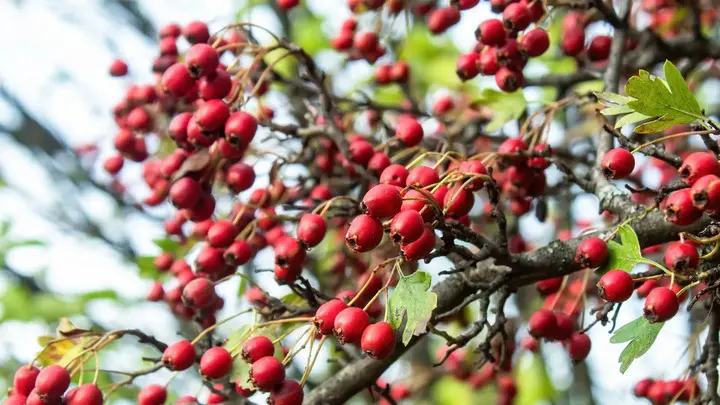
Red berry
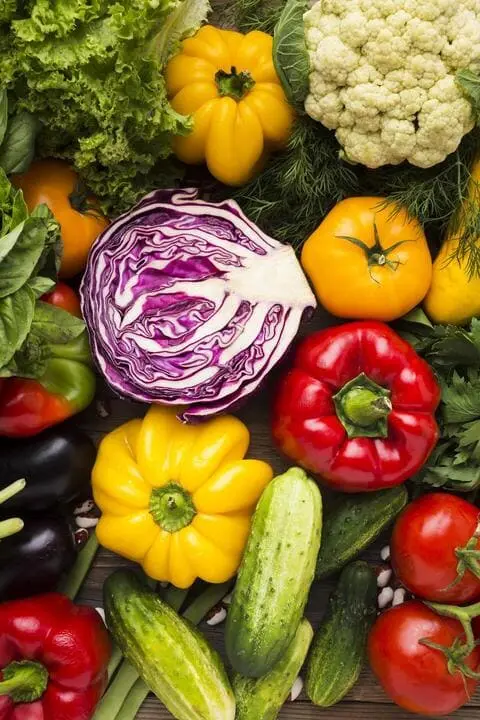
Vegetables

Football pitches and golf courses
Why use ozone in agricultural foliar treatment?
The profitability of many crops is currently under threat from the high cost of inputs and the emergence of diseases that are becoming increasingly difficult to control. If your aim is to achieve a more environmentally friendly, sustainable and chemical-free harvest, the deployment of ozone systems offers the ultimate solution for the disinfection and comprehensive protection of your crops.
Ozone acts as the most effective biological disinfectant on the market, providing comprehensive protection against fungi, bacteria and viruses without leaving a single chemical residue. As it is an oxidant that acts immediately upon contact, it eliminates critical pathogens and, most importantly, prevents the development of resistance, a growing problem that renders conventional pesticides ineffective. This technology not only guarantees compliance with the strictest ‘zero-residue’ and food safety regulations, but also ensures a final product that meets the demands of the most discerning markets.
Incorporating ozone into foliar spraying transforms agricultural management into a smarter system. By increasing cellular oxygenation and enhancing photosynthetic capacity, ozone acts as a powerful elicitor that stimulates the plant’s natural defences and improves nutrient uptake. The result is a more vigorous crop with a longer post-harvest life and a drastic reduction in reliance on traditional chemicals.
Benefits of using ozone in foliar treatment
Sanitises and disinfects crops
Ozone is a powerful gaseous oxidant, highly effective in the elimination of bacteria, viruses, protozoa, nematodes, fungi, cell aggregates and spores, by directly damaging the cell wall, causing severe damage to the microorganism and also preventing the development of resistant strains. Applying ozonated water to the plant’s surface as a foliar treatment will eliminate all types of microorganisms, reducing the development of diseases, crop losses and accelerated fruit deterioration.
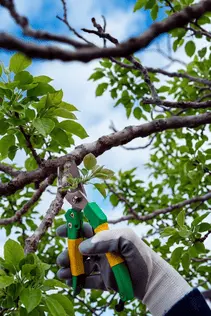
Speeds up healing after pruning
The oxidising power of ozone gas and its high oxygen content dramatically increase the rate of healing following pruning, preventing the spread of disease and reducing the plant’s ‘bleeding’. It also boosts plant growth with that extra oxygen dissolved in the water.
Simply put, applying ozone whilst carrying out, or immediately after carrying out, tasks that affect the plant’s integrity can significantly reduce the incidence of disease in your crop.
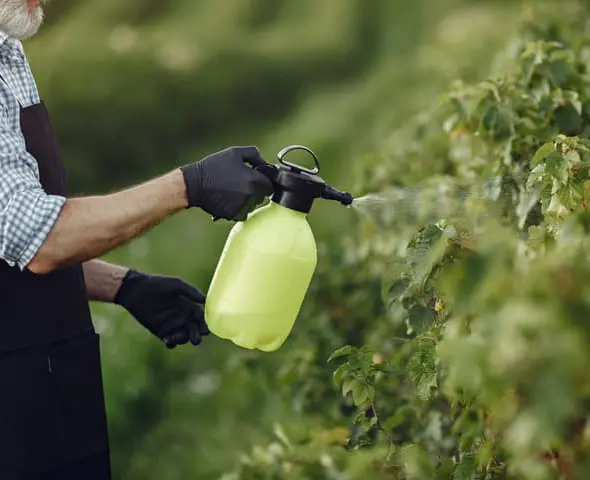
Save on plant protection products
Using just water and ozone, you can reduce the use of plant protection products, saving money, reducing the chemical load on the crop and minimising chemical residues in the final product, thereby preventing them from reaching the consumer. Markets and regulations are becoming increasingly stringent regarding the use of chemicals, plant protection products and pesticides in agriculture, due to the health risks associated with their ingestion. Ozone is a smart alternative that reduces the impact of chemicals on both consumers and the environment.
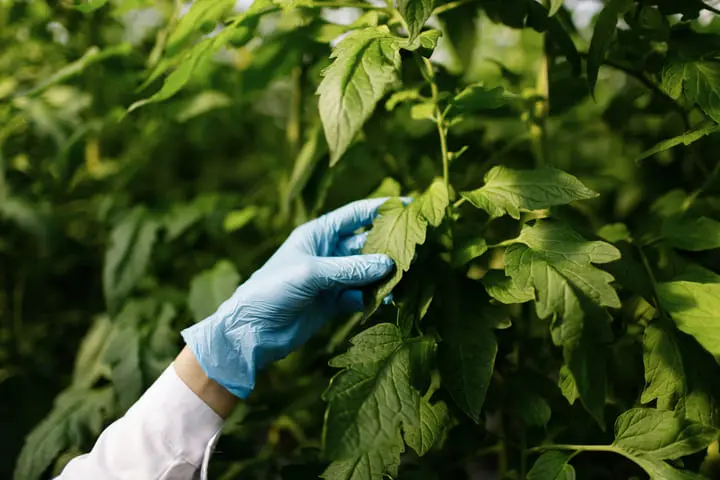
Ozone does not pollute plants, fruit or the environment
Ozonated water leaves no residue in the environment; it does not accumulate in the plant, its fruit, the soil or the groundwater. Ozone is very powerful, but only for a few minutes; it then reverts to oxygen.
Healthier crops at zero cost in terms of plant protection products
Revolutionise your foliar treatment with ozone disinfection. Zero residue and maximum effectiveness.
Contact us
Healthier crops at zero cost in terms of plant protection products
Revolutionise your foliar treatment with ozone disinfection. Zero residue and maximum effectiveness.
Contact us
How is foliar ozone treatment carried out?
1. Fill the tank with clean water, start the tractor and switch on the ozone system by selecting ‘bubble’ mode on the tablet.
2. Once a concentration of at least 0.5 ppm has been reached, the plant is sprayed using an atomiser, mist blower or sprayer
3. In-line injection mode is activated to increase the ppm, and finally, the graph is checked to ensure that the treatment is effective.
Continuously monitor the treatment from the control room
It measures the amount of ozone dissolved in water
Check the concentration of diluted ozone in parts per million
Where does ozone come from?
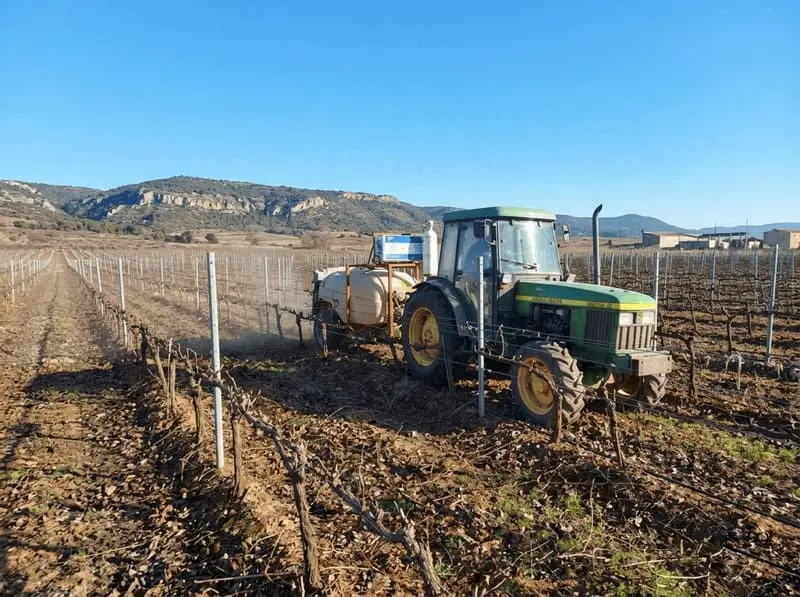
Ozone is generated on site and diluted in the atomiser
Ozone is neither stored nor transported. It is a gas that is generated on site using an ozone generator and requires only air and electricity to produce it. The ozone equipment draws in air from the atmosphere, concentrates the oxygen to a purity of up to 95 per cent, and, through electrical discharges, converts the oxygen (O₂) into ozone (O₃).
All you need to do is fit the ozone generator to the atomiser and fill the water tank!
Where does ozone come from?
Ozone is generated on site and diluted in the atomiser
Ozone is neither stored nor transported. It is a gas that is generated on site using an ozone generator and requires only air and electricity to produce it. The ozone equipment draws in air from the atmosphere, concentrates the oxygen to a purity of up to 95 per cent, and, through electrical discharges, converts the oxygen (O₂) into ozone (O₃).
All you need to do is fit the ozone generator to the atomiser and fill the water tank!
How is ozone injected?
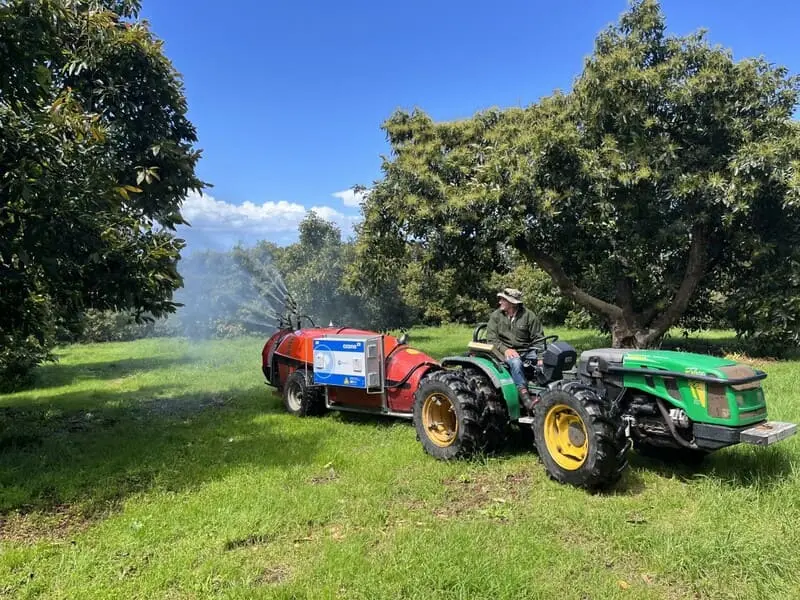
Dual Ozone Outlet.
From the cab, without getting off the tractor, you can select either bubbling ozone injection into the tank or direct ozone injection into the line. All our ozone generators for sprayers include a dual ozone dilution system, providing the equipment with versatility and functionality. The bubbling method allows you to achieve ozone levels of between 0.5 and 3 ppm, depending on the installed ozone output and the volume of water in the tank. With in-line injection, you can achieve levels of 0.5 to 10 ppm, depending on the installed ozone output, the flow rate and the pump pressure.
Not all atomiser pumps are compatible with in-line injection. However, you can always achieve sufficient ozone levels via bubbling. Having both systems available at the click of a button will allow you to get the most out of your investment.
What are the keys to successful foliar treatment?
The equipment must have sufficient power and good control to enable you to monitor the ozone or Redox ppm at all times. The farmer must know how much ozone to apply, when and how to apply it. Having specialist technicians on hand to advise you when drawing up your hygiene plan is essential for success.
Features of the atomiser
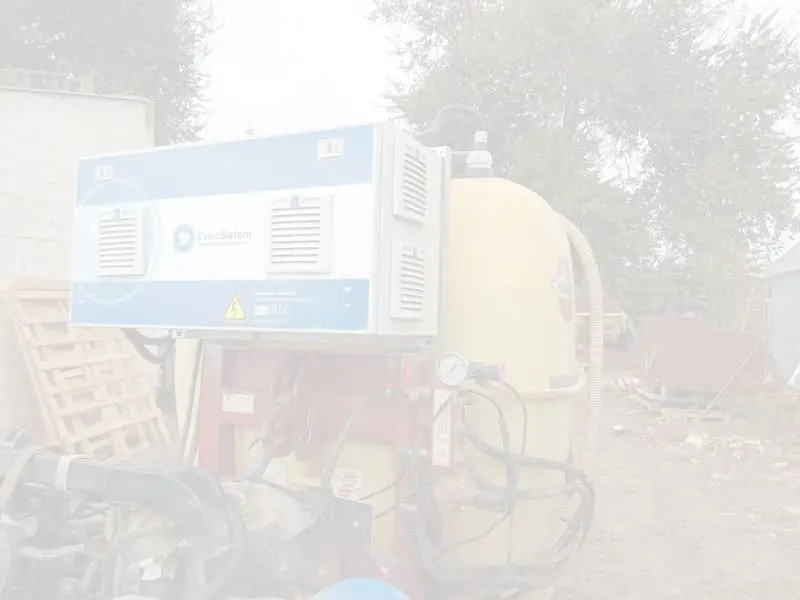
Cleanliness, flow rate and pump pressure, type of nozzles. Ask our specialist technicians how to get the most out of your atomiser. To ensure a successful treatment, you must understand that the ozone must come into contact with the microorganisms you wish to eliminate
When to carry out the treatment
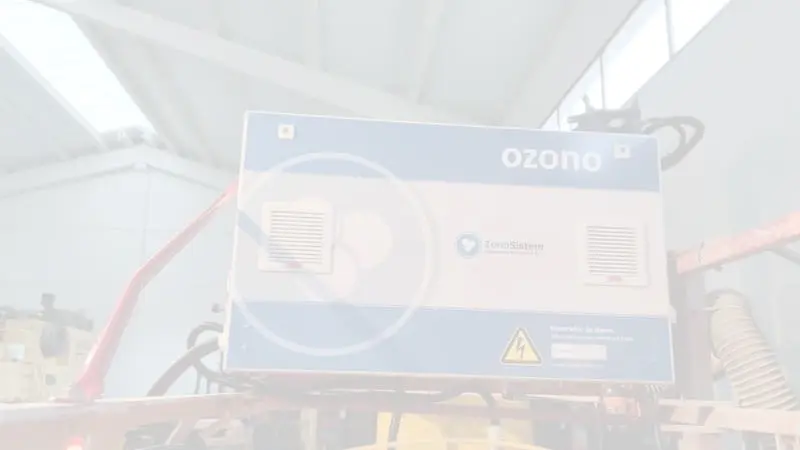
This will depend on the type of crop.
Please consult our specialist technicians.
No strings attached!
The concentration of ozone
A minimum of 0.5 ppm should be applied; however, bear in mind that the higher the ppm, the better. This will depend on the power of the ozone generator and its ozone dilution system.
Litres per hectare
It depends on the individual crop and how lush it is.
We provide advice tailored specifically to your crop and the problem you’re facing.
What are the keys to successful foliar treatment?
The equipment must have sufficient power and good control to enable you to monitor the ozone or Redox ppm at all times. The farmer must know how much ozone to apply, when and how to apply it. Having specialist technicians on hand to advise you when drawing up your hygiene plan is essential for success.
Features of the atomiser
Cleanliness, flow rate and pump pressure, type of nozzles. Ask our specialist technicians how to get the most out of your atomiser. To ensure a successful treatment, you must understand that the ozone must come into contact with the microorganisms you wish to eliminate
When to carry out the treatment
This will depend on the type of crop.
Please consult our specialist technicians.
No strings attached!
The concentration of ozone
A minimum of 0.5 ppm should be applied; however, bear in mind that the higher the ppm, the better. This will depend on the power of the ozone generator and its ozone dilution system.
Litres per hectare
It depends on the individual crop and how lush it is.
We provide advice tailored specifically to your crop and the problem you’re facing.
How is the ozone in the atomiser chamber monitored and measured?
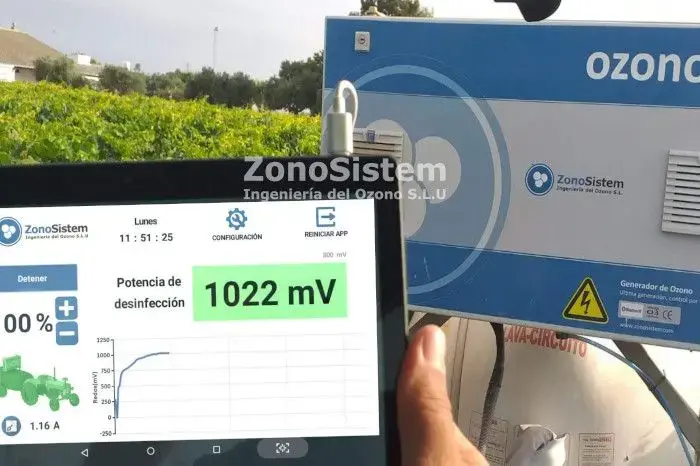
Using a Redox meter or ppm
All our ozone systems for atomisers include a continuous Redox measurement probe with a range of up to 2,000 mV. The Redox value indicates the equivalent dissolved ozone and represents the water’s ability to oxidise, and therefore to disinfect and promote healing. The Redox probe is housed in an easily accessible measuring cell, which facilitates cleaning and prevents damage caused by the use of chemicals. We also offer in-line dissolved ozone meters measuring in ppm; this is available as an optional extra.
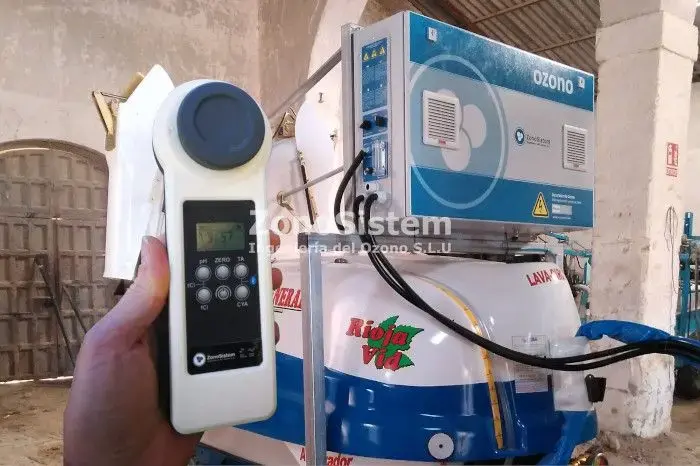
With verification in ppm
We recommend that you check the ozone concentration in ppm using a reliable spectrophotometer. This will give you greater precision and control over the system and the treatment you are applying to your crops. This measurement is essential to ensure that the water being applied contains sufficient dissolved ozone to sanitise your crops. Make sure the meter you use is reliable. Please consult our technicians.
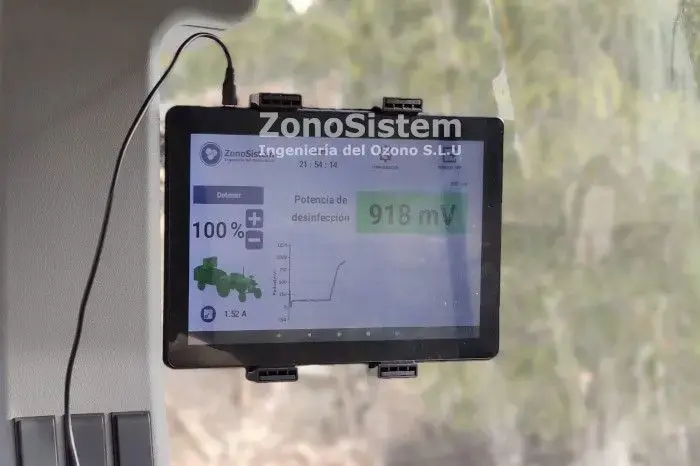
Using a tablet from the cockpit
From the tractor cab, you can see the amount of ozone you are applying in real time. You can also adjust the ozone output or level and select the injection mode using your Android mobile or tablet. Simply install our app and connect it to the equipment via Bluetooth. You can also monitor the levels achieved and the status of the ozone generator (power consumption, oxygen flow rate, alarms, etc.) on a graph. Control your ozone equipment from the tractor cab.
ZonoSistem case studies on the use of ozone in foliar treatment
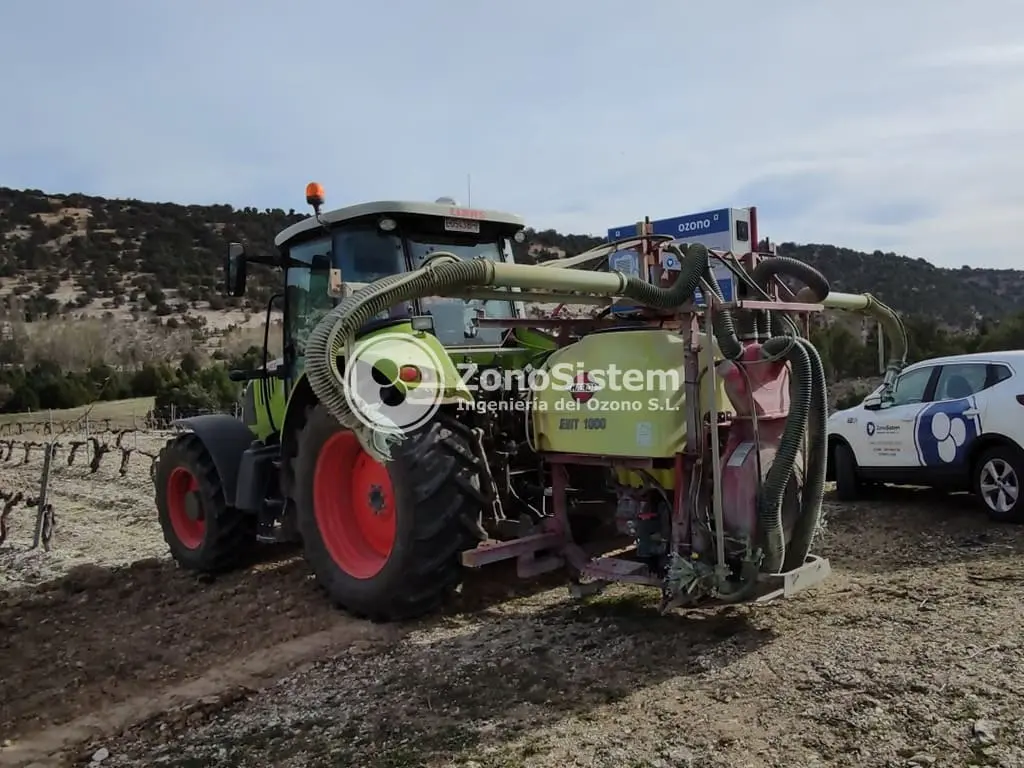
Ozone for vineyards, Ribera del Duero, Spain
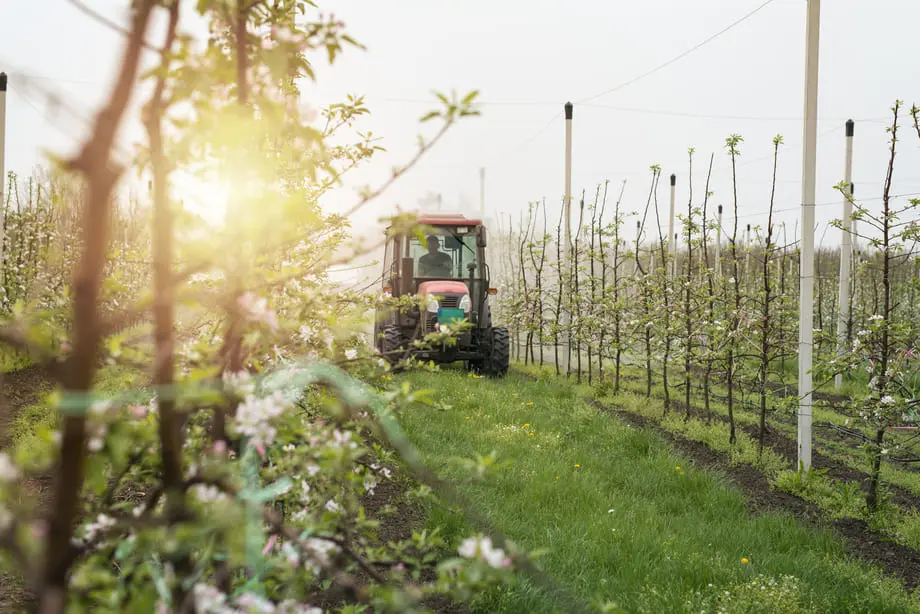
Project involving a fungal disease. Ozone is used as a means of disinfection and to control leaf diseases. To achieve this, ozone is injected into the tank of the suspended sprayer, resulting in a high concentration of dissolved ozone in the sprayed water. The tractor driver controls the process and dosage from the tractor cab using a tablet.
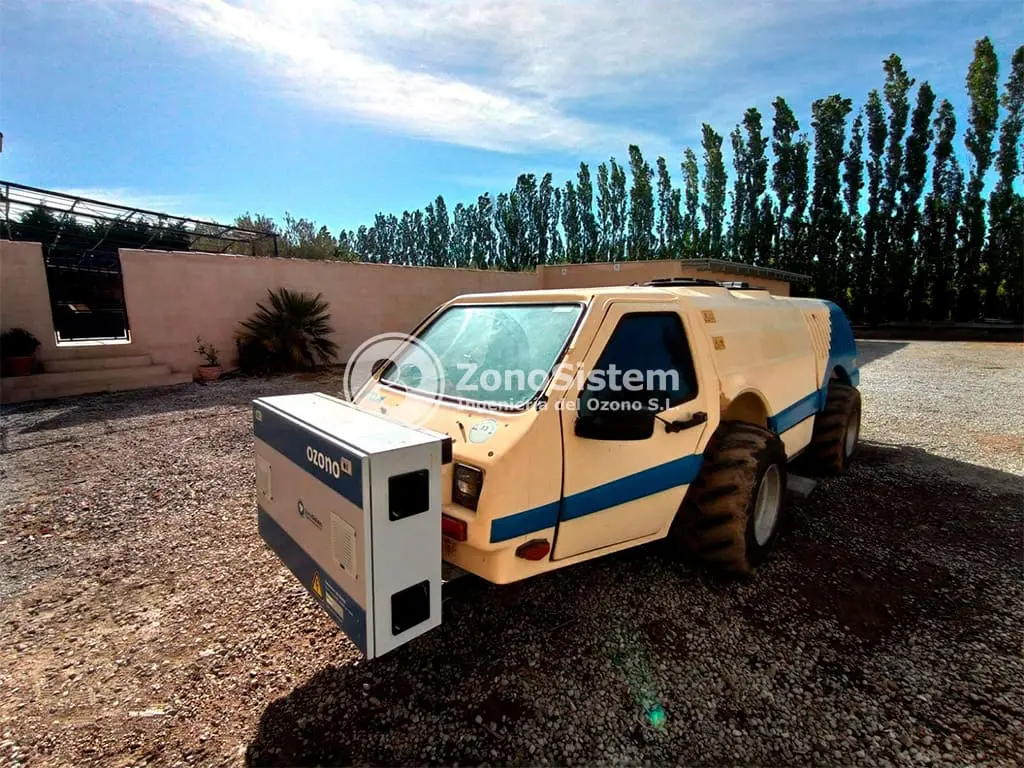
Ozone for apricot cultivation. France
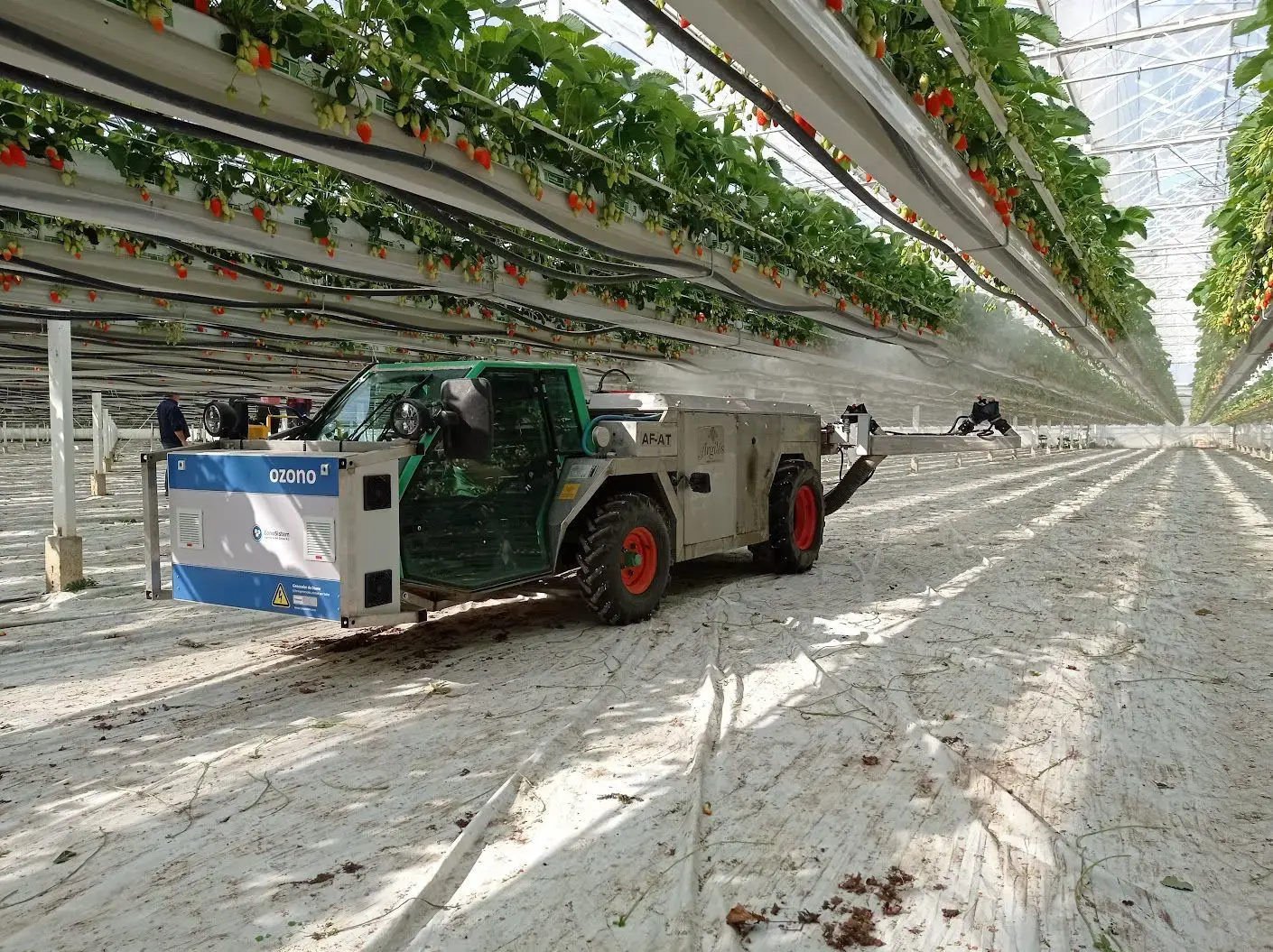
Revolutionising strawberry cultivation in France by incorporating ozone technology that optimises plant health from irrigation right through to harvest.
Its use enables growers to reduce their use of plant protection products and control pathogens in a sustainable manner. The GZO20-DT ozone system has been adapted to ensure easy access to the farm and to optimise the foliar treatment process.
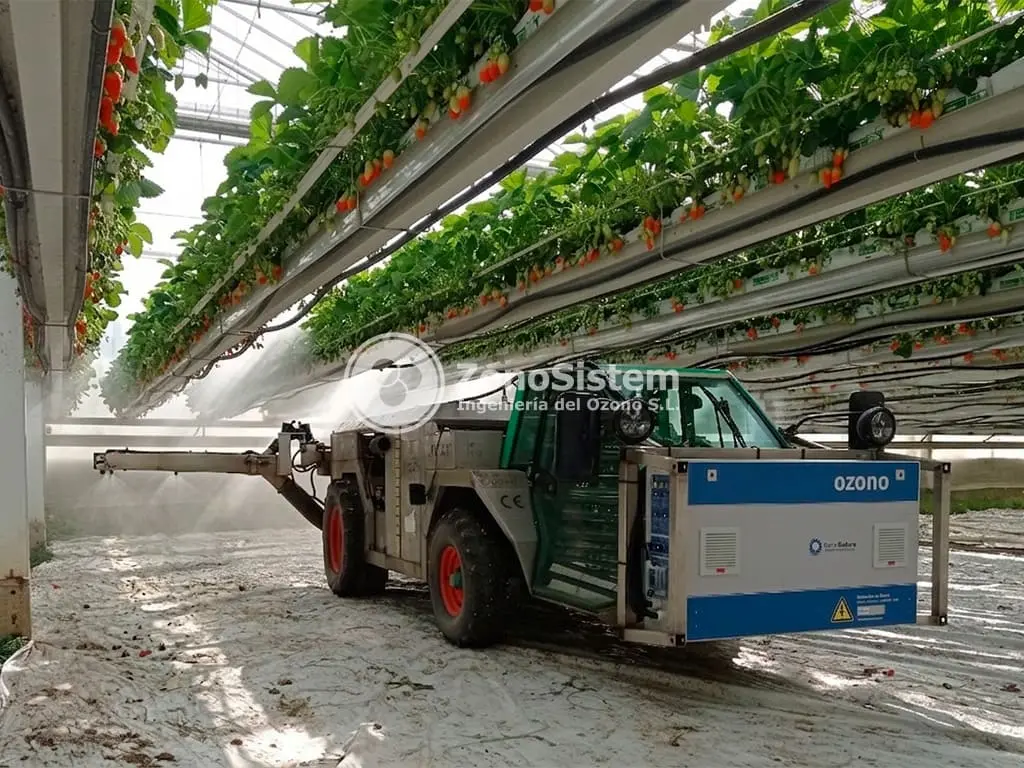
Ozone for hydroponic strawberry cultivation, France
The key to the project has been the integration of ozone into the spray tank. A compact yet powerful ozone generator ensures a high concentration of ozone in the spray water. The effectiveness of the process lies in the concentration and the ability to wet the strawberries. 10 hectares of strawberry greenhouses treated exclusively with ozone.
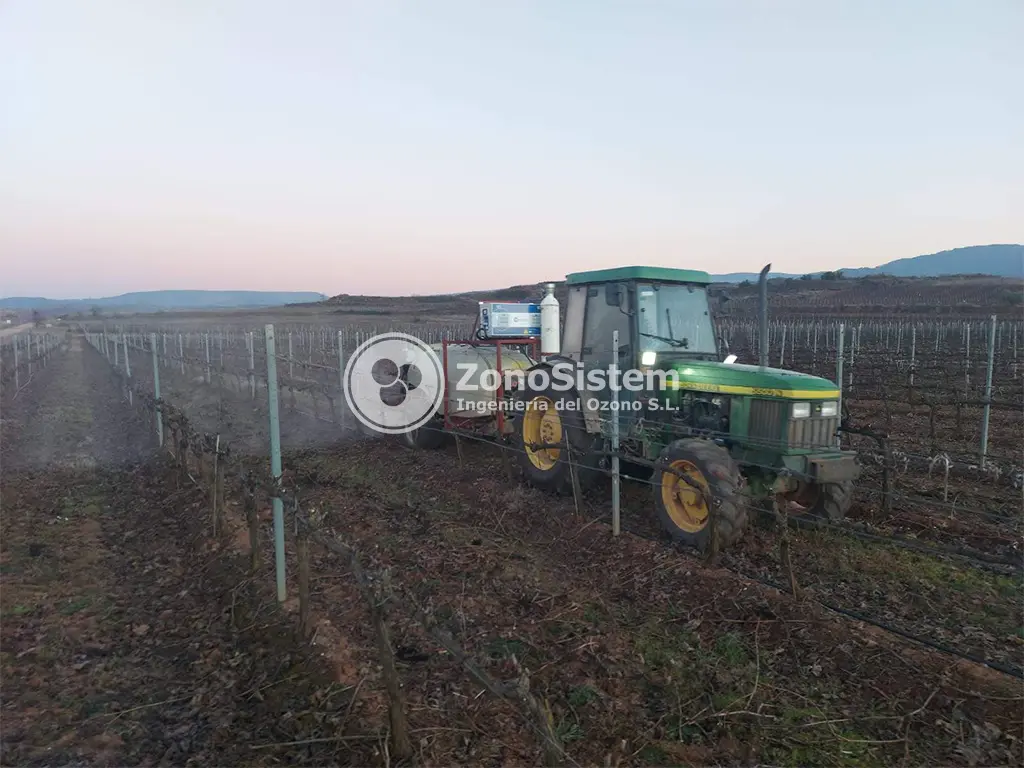
Ozone for vineyards. Rioja
The use of ozone is a key tool for disease control without over-reliance on traditional plant protection products. This vineyard grows more than 10 varieties of grape and is treated exclusively with ozone.
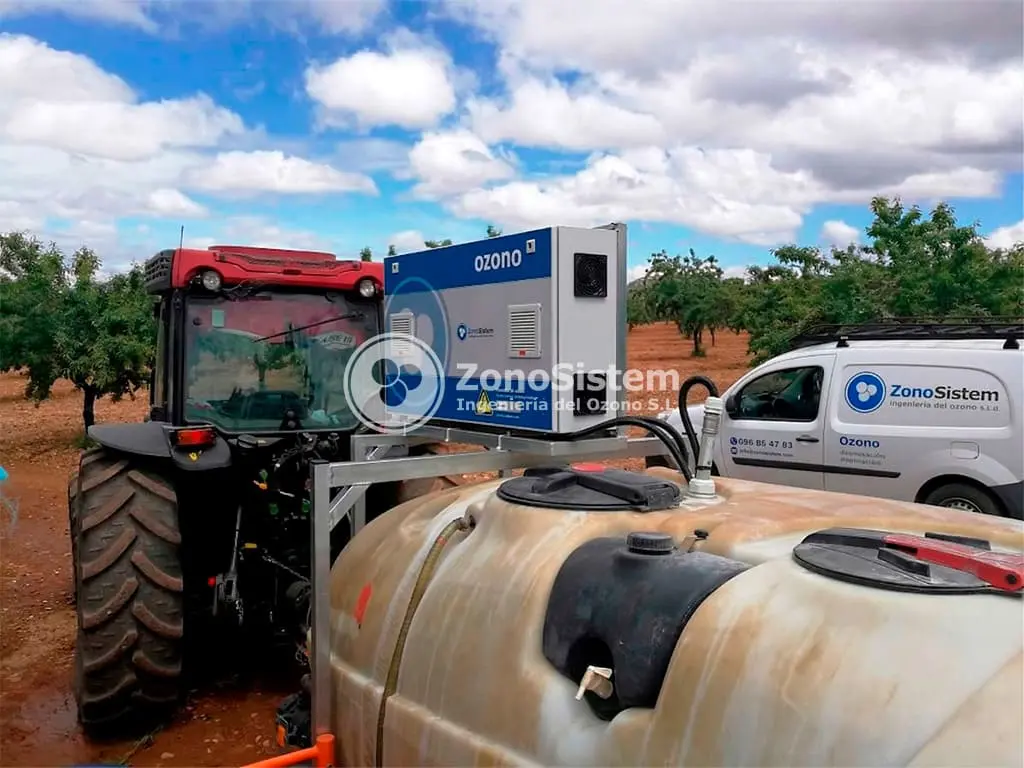
Ozone for pistachios in Granada, Spain
A farm specialising in intensive pistachio cultivation has introduced an ozonated water system for foliar treatments, with the aim of reducing the incidence of fungal diseases, cutting down on the use of chemicals and improving the crop’s profitability.
Pistachios are a high value-added crop, but their profitability depends directly on productivity, plant health and the final quality of the fruit. Problems such as fungi, bacteria, blockages in irrigation lines and reliance on plant protection products can significantly increase operating costs and limit organic production.
Improvements:
- An overall reduction in the use of conventional plant protection products.
- Improvement in the overall health of the crop.
- Reduction in problems associated with fungal infections and leaf diseases.
- The potential to move towards more sustainable production that is compatible with organic farming.
- Lower chemical load on the soil and the fruit.
- Optimisation of treatment costs during the campaign.
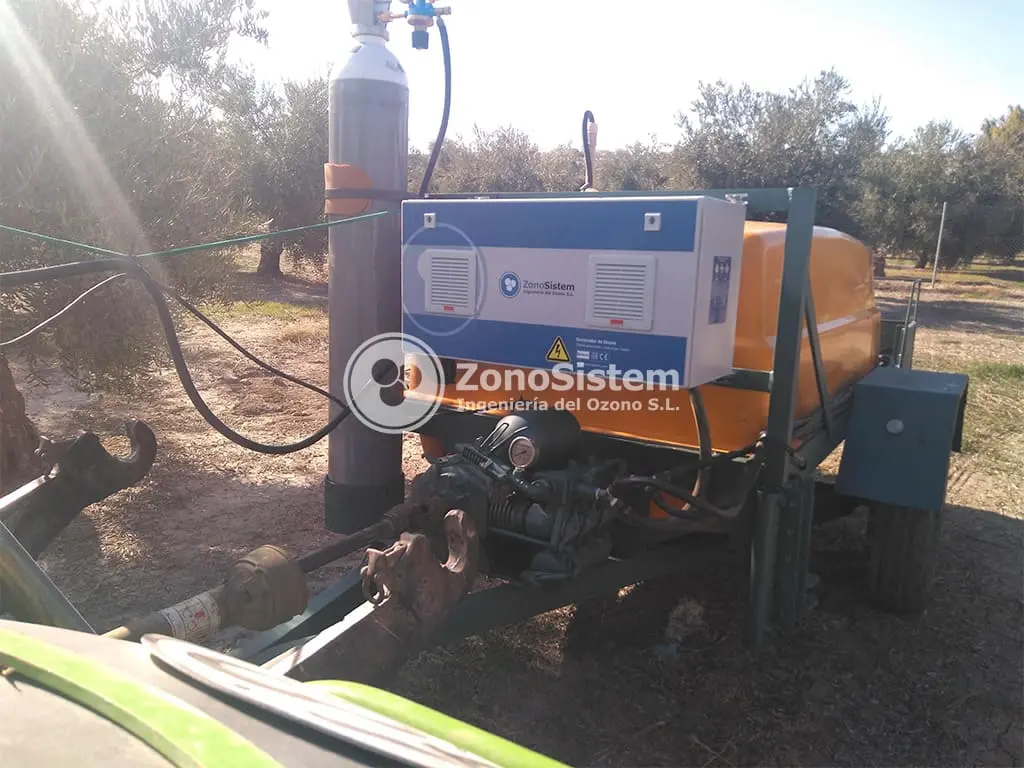
Ozone for olive trees in Jaén, Spain
An organic olive farm has introduced an ozonated water system for foliar treatments, with the aim of reducing the use of chemical treatments and improving crop health in a sustainable way.
The use of ozonated water helped to reduce fungal and bacterial pressure on the leaves and fruit, improving the overall health of the olive grove without leaving any chemical residues. As a result, the farm was able to optimise its preventive treatments and strengthen its organic production model.
The farm particularly highlights the improvements in the ecological management of the crop and the reduction in health problems during the growing season.
Ozone for vineyards, Ribera del Duero, Spain
Project involving a fungal disease. Ozone is used as a means of disinfection and to control leaf diseases. To achieve this, ozone is injected into the tank of the mounted sprayer, resulting in a high concentration of dissolved ozone in the sprayed water. The tractor driver controls the process and dosage from the tractor cab using a tablet.
Ozone for strawberry cultivation. France
Revolutionising strawberry cultivation in France by incorporating ozone technology that optimises plant health from irrigation right through to harvest.
Its use enables growers to reduce their use of plant protection products and control pathogens in a sustainable manner. The GZO20-DT ozone system has been adapted to ensure easy access to the farm and to optimise the foliar treatment process.
Ozone for hydroponic strawberry cultivation, France
The key to the project has been the integration of ozone into the spray tank. A compact yet powerful ozone generator ensures a high concentration of ozone in the spray water. The effectiveness of the process lies in the concentration of ozone and its ability to wet the strawberries. 10 hectares of strawberry greenhouses treated exclusively with ozone.
Ozone for vineyards. Rioja.
The use of ozone is a key tool for controlling diseases without over-reliance on traditional plant protection products. This vineyard has more than 10 grape varieties and is treated exclusively with ozone. The effectiveness of ozone has been demonstrated on this vineyard across multiple varieties affected by various diseases.
Ozone for pistachios in Granada, Spain
A farm specialising in intensive pistachio cultivation has introduced an ozonated water system for foliar treatments, with the aim of reducing the incidence of fungal diseases, cutting down on the use of chemicals and improving the crop’s profitability.
Pistachios are a high value-added crop, but their profitability depends directly on productivity, plant health and the final quality of the fruit. Problems such as fungi, bacteria, blockages in irrigation lines and reliance on plant protection products can significantly increase operating costs and limit organic production.
Improvements:
- An overall reduction in the use of conventional plant protection products.
- Improvement in the overall health of the crop.
- Reduction in problems associated with fungal infections and leaf diseases.
- The potential to move towards more sustainable production that is compatible with organic farming.
- Lower chemical load on the soil and the fruit.
- Optimisation of treatment costs during the campaign.
Ozone for Olive Trees in Jaén, Spain
An organic olive farm has introduced an ozonated water system for foliar treatments, with the aim of reducing the use of chemical treatments and improving crop health in a sustainable way.
The use of ozonated water helped to reduce the pressure from fungi and bacteria on the leaves and fruit, improving the overall health of the olive grove without leaving any chemical residues. As a result, the farm was able to optimise its preventative treatments and strengthen its organic production model.
The farm particularly highlights the improvements in the ecological management of the crop and the reduction in health problems during the growing season.
Frequently Asked Questions on the Use of Ozone for Foliar Treatment
According to the WHO, ozone is the most effective disinfectant in existence, and it is fair to say that there is no microorganism that can withstand the action of ozone.
The main plant-pathogenic fungi that affect crops.
Downy mildew (this is not a species; it is the name given to the disease caused by various species of fungi, the main ones being Plasmopara viticola, which affects vines, and Phytophthora infestans, which affects solanaceous plants such as tomatoes and potatoes). Powdery mildew (this is not a species; it is the name given to the disease caused by various species of fungi, the main one being Erysiphe necator). Rust (this is not a species, but the name given to the disease caused by various species of fungi, primarily of the genus Puccinia. Blight (a disease caused by various species, including Alternaria solani and Phytophthora infestans; it is also known as mildew or late blight). Alternaria cinerea. Botrytis cinerea. Botrytis squamosa. Fusarium oxisporum. Ramularia cynarae (smallpox). Verticillium dahliae. Phytophthora sp. (this genus comprises several species that affect different crops and different parts of the plant, particularly the roots). Sclerotinia. Colletotrichum. Melampsora lini. Phoma sp. Black spot (a disease caused by Fumagina). Repilo (a disease caused by Spilocaea oleagina). Anthracnose (a disease caused by various species of fungi). Vine tinder (a disease caused by Stereum hirsutum and Phellinus igniarius). Plystigma fulvum (ochre spot of the almond tree). Monilia laxa (almond monilia, the most significant disease affecting almond trees). Denting of the almond tree or almond scab (Taphrina deformans). Fusicoccum. Stigmina carpophila. Mycospharella. Speckle (Venturia inaequalis). Septoria leaf spot (Septoria). Pythium sp.
Ozone can sanitise all types of crops, groves, shrubs and bushes, whether grown intensively, super-intensively or extensively, and whether irrigated or rain-fed.
Ozone for tomatoes, cucumbers, peppers, courgettes and tapín. Ozone for potatoes, onions, garlic, carrots and sweet potatoes. Ozone for lettuce, watercress and leafy greens. Ozone for blueberries, strawberries, strawberry varieties, blackberries and other red berries. Ozone for melons and watermelons. Ozone for vines. Ozone for olive trees. Ozone for orange, lemon and mandarin trees. Ozone for hemp. Ozone for apple, pear, avocado, banana, pineapple and mango trees. Ozone for almond and pistachio trees. Ozone for crops used as livestock feed: barley, beetroot. Ozone for textile crops: for fibres used in clothing, bed linen, industry and household products (hemp, cotton, flax, bamboo). Ozone for oilseed crops. For the production of vegetable oils (rapeseed, sunflower, olives). Ozone for ornamental crops. For home decoration and landscape design (gardens, plant pots, shrubs). Ozone for industrial crops. For industrial manufacturing (rubber).
The trend in agriculture is clear:
1. To improve the final product (organic farming).
2. To reduce environmental pollution (organic farming).
3. Spend less (Profitable Farming).
It is true that the chemical industry is very powerful and that, thanks to it, many industrial and agricultural processes have been optimised and brought under control.
However, many of these chemicals are persistent and leave traces or residues that end up reaching consumers, which is why they are subject to rigorous monitoring by health authorities. Furthermore, many of them have a negative impact on plants, soil and aquifers and, finally, they are not cheap.
With ozone, we can achieve harvests free from chemical residues and environmental pollution, whilst making significant financial savings.